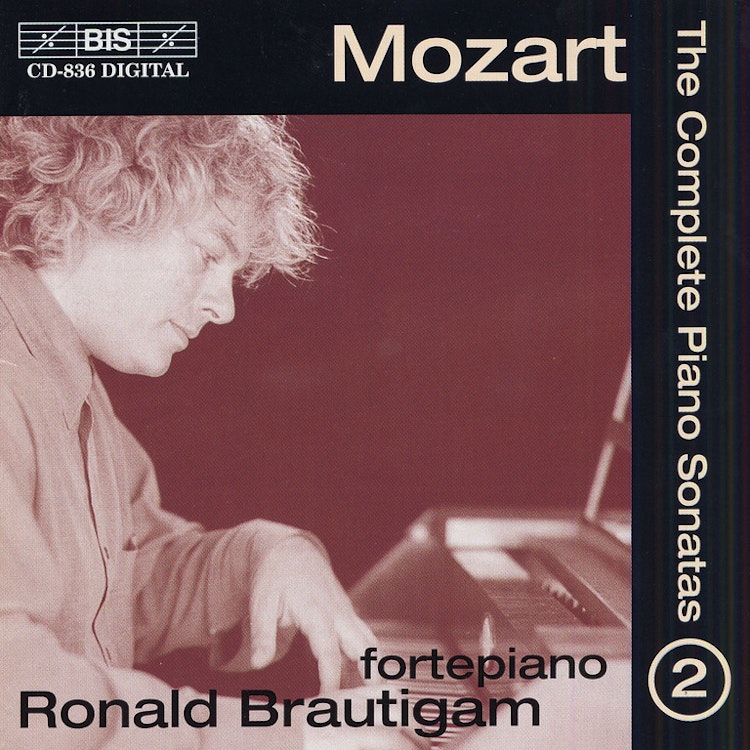
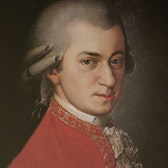
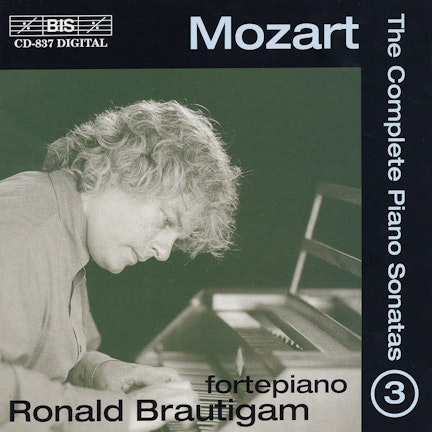
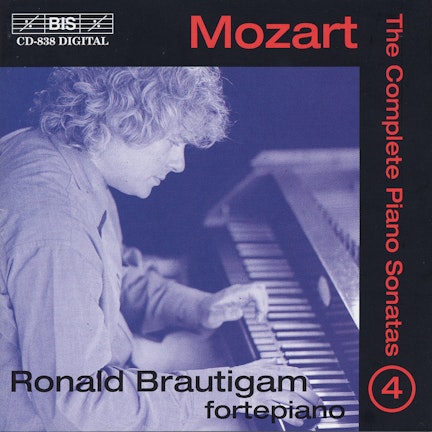
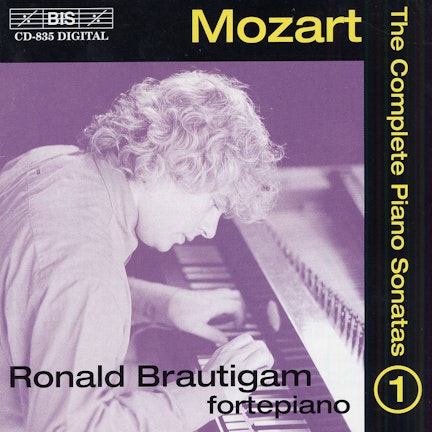
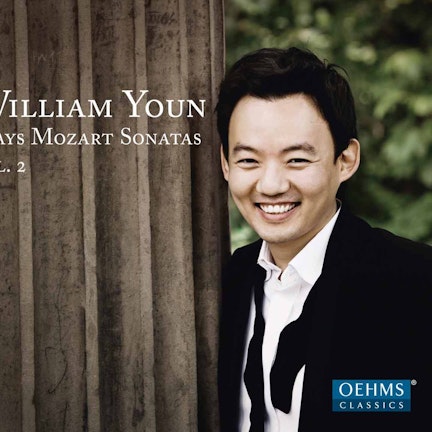
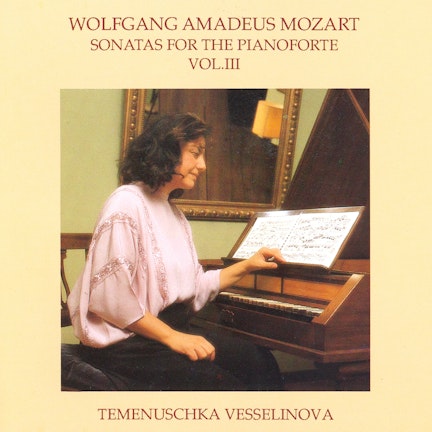
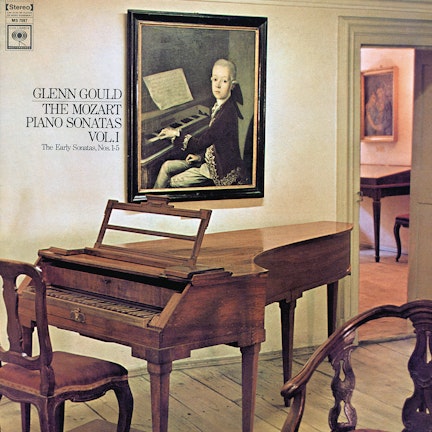
Mozart was highly regarded as a keyboard performer throughout his career, with his skills admired even from childhood, as evidenced by his performance for Empress Maria Theresa at age six.
Composer Biography
Despite his prolific output in his final years, Mozart's reputation declined, and he became distanced from "popular estimation."
Instruments
Mozart's first public appearance on the fortepiano, a more modern instrument than the harpsichord, clavichord, spinet, or organ, occurred in Munich in the winter of 1774/75.
Composition History
The six keyboard sonatas (KV279-84) were likely composed in Munich in early 1775, possibly for Mozart's personal concert use, with the last sonata commissioned by the music-loving nobleman Thaddäus von Dürnitz.
Interpretation
The pianist Arthur Schnabel famously said that Mozart's keyboard sonatas are "too easy for children but too difficult for virtuosos," highlighting their technical accessibility but profound musical depth.
Critical Reception
The periodical Dramaturgische Blätter in Frankfurt dismissed Mozart's opera Don Juan (Don Giovanni) as a "monk's farce," finding its music not popular enough to create a general sensation.
Critical Reception
In 1790, even before Mozart's death, music expert Ernst Ludwig Gerber noted that Mozart's works were difficult for an untrained ear to follow, requiring multiple listenings even for practiced musicians.