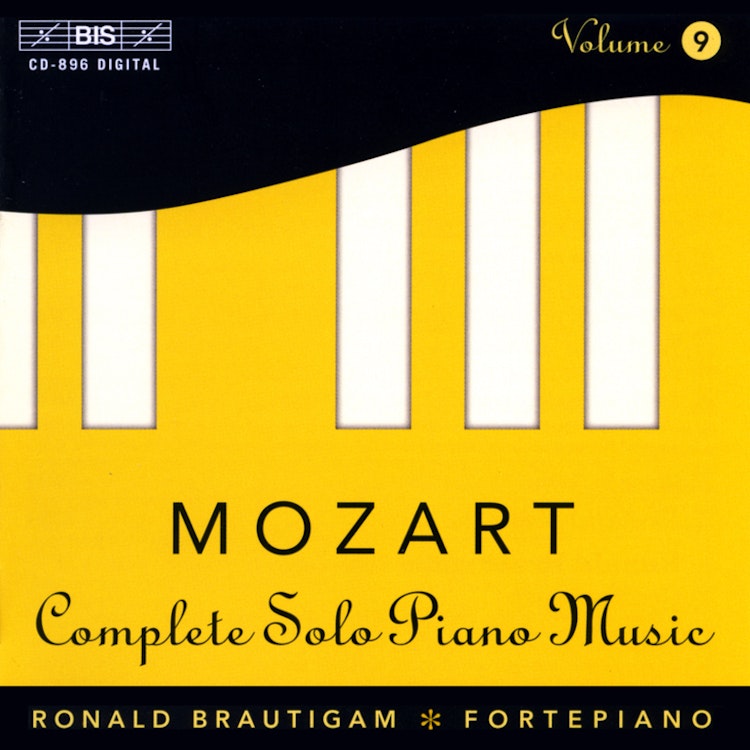
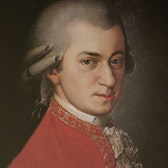
Mozart was considered one of the greatest piano virtuosos of his era, a fact often overlooked today.
Historical Context
Mozart's first public appearance on the fortepiano, a more modern keyboard instrument, likely occurred in Munich in winter 1774/75, where his playing suggested he was not yet fully accustomed to it.
Composer Biography
Mozart's studies of earlier composers like Bach and Handel involved not just reading their scores but actively composing in their style, an effort he considered an extension of his education.
Composition History
Mozart's Gigue in G major, KV 574, written in Leipzig in 1789, was dedicated to his friend, the Leipzig court organist Engel, and contains a quotation from a gigue by George Frideric Handel.
Composition History
Mozart's Eight Variations in F major, KV613, were his last work for piano, composed in Vienna in March-April 1791, just months before his death, while he was also working on The Magic Flute.
Compositional Technique
Mozart's piano variations, though often overshadowed by his sonatas, were among the most frequently played keyboard compositions until well into the 19th century.
Composition History
The theme for Mozart's Eight Variations in F major, KV613, was taken from a song in the musical play Der dumme Gärtner aus dem Gebirge, oder Die zween Anton, whose librettist, Emanuel Schikaneder, also wrote the libretto for The Magic Flute.
You might also enjoy...
Mozart - Complete Solo Piano Music, Vol. 8
Mozart: Piano Variations K.264, K. 265, K.352, K.353, K.354
Mozart: The Complete Piano Works, Vol. 10
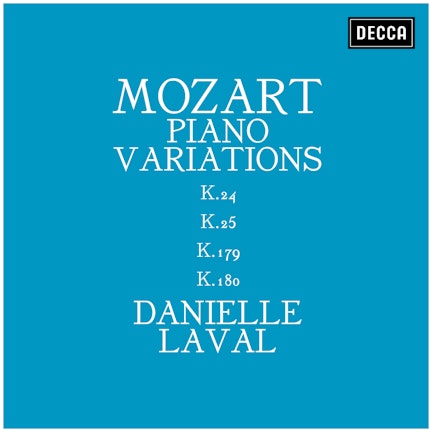
Mozart: Piano Variations K.24, K.25, K.179, K.180
Mozart 225: Complete Keyboard Music
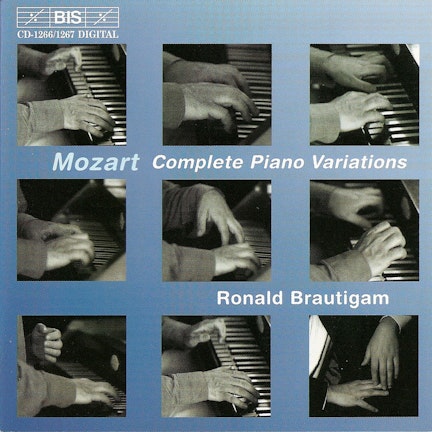
Mozart: Complete Piano Variations
John Bryden plays Haydn
Mozart: The Complete Piano Works, Vol. 3
Mozart: Piano Sonata No. 11 / Rondo in D Major / Fantasia in C Minor / Beethoven: 32 Variations
Mozart: Complete Solo Piano Works
Mozart: The Complete Piano Works, Vol. 5
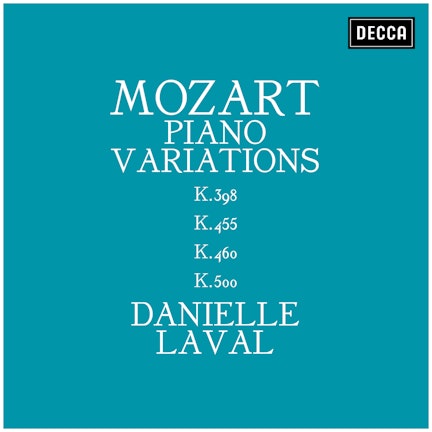
Mozart: Piano Variations K.398, K.455, K.460, K.500