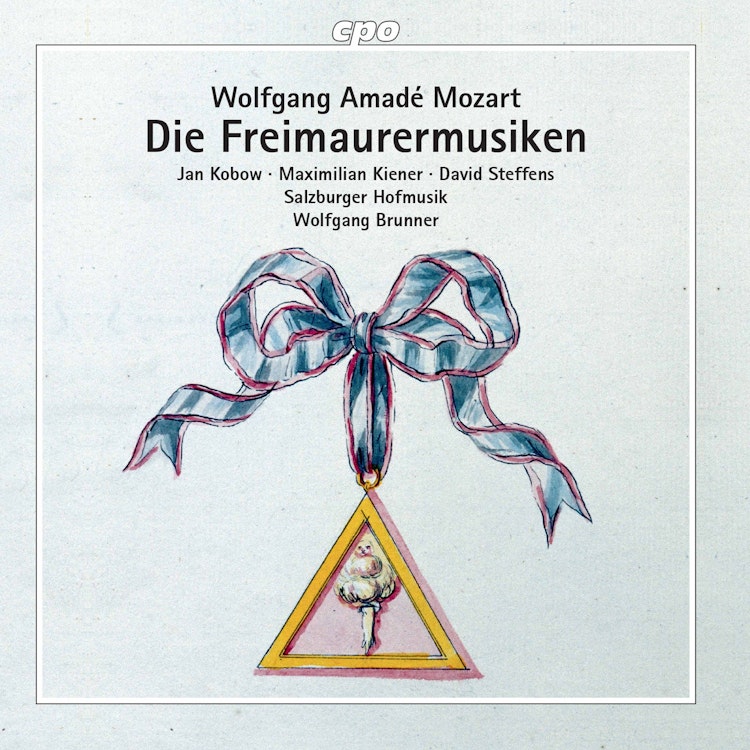
Jan Kobow, a tenor on this recording, won first prize at the Leipzig Bach Competition in 1998 and is known internationally for his interpretations of Baroque music.
Composer's Artistic Vision
Mozart's Masonic compositions often use the key of E-flat major as a symbol of transcendence and redemption, a key also central to his opera 'The Magic Flute'.
Interpretation
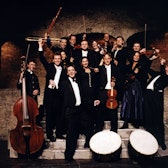
The ensemble Salzburger Hofmusik, founded by Wolfgang Brunner, primarily uses historical instruments or faithful copies for authentic performances of works from the 17th to early 19th centuries.
Instruments
Mozart favored the basset horn in his Masonic compositions for its soft, round, and mystical timbre, often associating it with approaching death.
Composer Biography
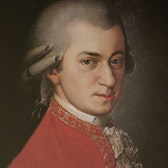
Wolfgang Amadeus Mozart, the composer, found a network of friends and a sense of belonging in Viennese Masonic circles during the last seven years of his life.
Recording & Production
The decision to have the strings play one to a part in Mozart's 'Masonic Funeral Music' on this recording was made to allow the soft basset horns to be heard, as Mozart's dynamic markings are often obscured by larger string sections.
Historical Context
Freemasonry was fashionable in Viennese society during Mozart's time, with Masonic songs sung publicly, jewelry adorned with Masonic emblems, and fashion à la franc-maçon.
You might also enjoy...
Jon Vickers In Recital 1974
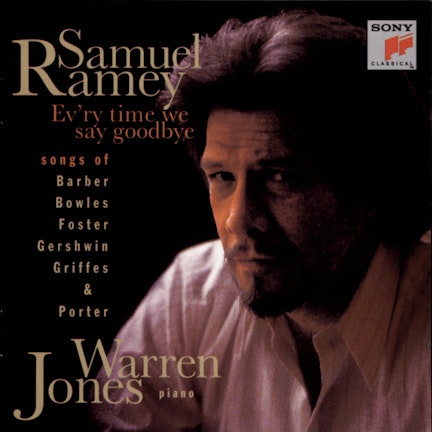
Ev'ry Time We Say Goodbye
Joyce and Tony
Grainger: Grainger Edition, Vol. 12: Songs for Mezzo-Soprano
Complete Part Songs for Male Voices, Vol. 5
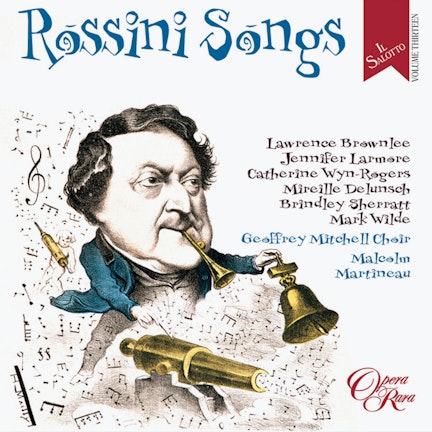
Il Salotto Vol. 13: Rossini songs
Edinburgh International Festival: Chamber Music Highlights 2020