The term 'divertimento' was a popular musical title in mid-1700s Austria and southern Germany for instrumental works that were not concertos or symphonies.
Compositional Technique
Mozart's divertimenti, such as those on this album, feature a common six-movement form, framed by an opening sonata Allegro and a concluding rondo.
Composition History
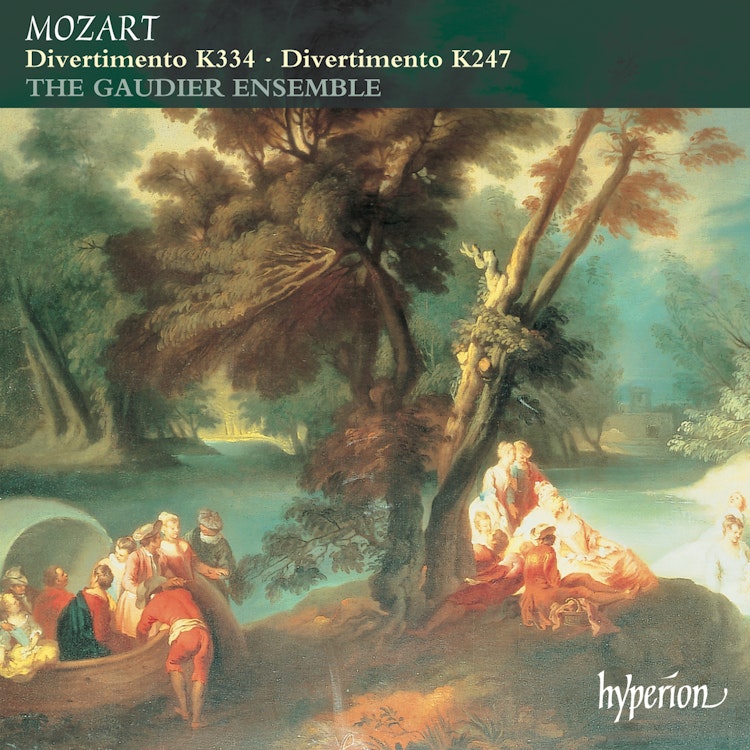
Mozart's Divertimento K334, referred to as his 'Robinig' music, was likely composed to celebrate Sigismund von Robinig's successful completion of jurisprudence studies in July 1780.
Composer's Artistic Vision
H.C. Koch, in his 1802 Musikalisches Lexikon, defined 'divertimento' as music intended to please the ear rather than express deep emotion, avoiding complex counterpoint.
Composition History
Mozart's Divertimento K247 was composed for Countess Antonia Lodron's name-day celebration in June 1776; the Lodron family were important members of Salzburg's aristocracy.
Performer Biography
The Gaudier Ensemble, based in England, is a group of European musicians who perform chamber music for wind and strings, named after sculptor Henri Gaudier-Brzeska.
Composer Biography
Both Leopold and Wolfgang Mozart referred to these works as 'Cassations', a term possibly derived from 'Gasse' (alley), suggesting music played outdoors.
You might also enjoy...
Mozart: Divertimenti, K. 136-138
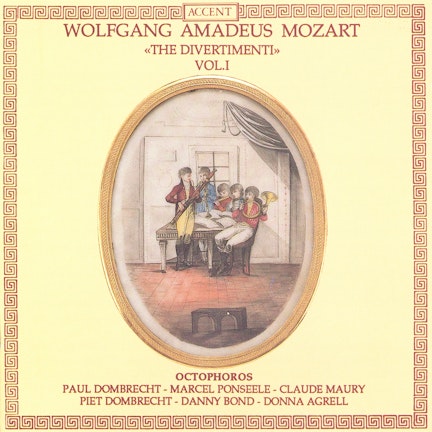
Mozart, W.A.: Divertimentos (The), Vol. 1 - K. 213, 240, 252, 253, 270 and 289
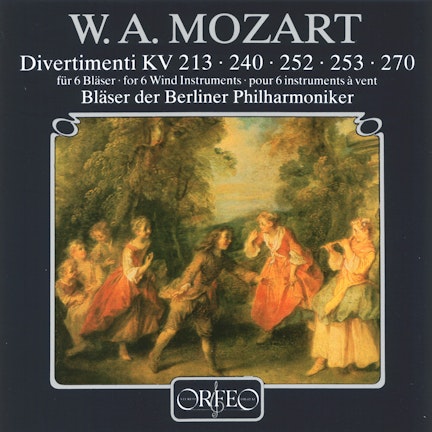
Mozart: Divertimenti, K. 213, 240, 252, 253 & 270
Tibor Varga Legacy, Vol. 11: Wolfgang Amadeus Mozart 3
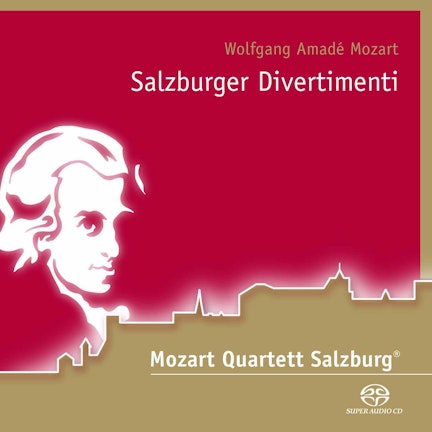
Mozart: Salzburger Divertimenti
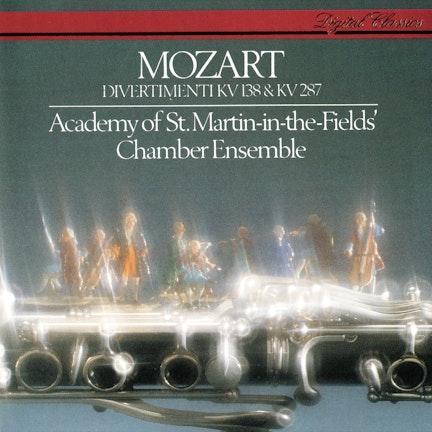
Mozart: Divertimenti, K.287 & K.138
Mozart: Divertimento, K. 334; K. 136/125a
Mozart: Divertimento in D Major, K. 334; Divertimento in F Major, K. 247