Mozart left behind many fragments, which differ from sketches as they begin clearly on a fresh sheet with tempo, instrumentation, and key indications, but break off abruptly.
Critical Reception
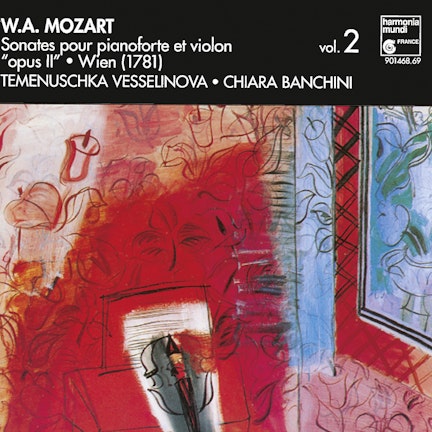
A 1783 review of Mozart's Opus II violin sonatas praised them as "unique in their kind," rich in new ideas, brilliant, and requiring equally skilled violinists and clavier players.
Composer Biography
At 24, Mozart moved to Vienna against his father's and employer's wishes, needing funds, and turned to composing violin sonatas to establish himself.
Historical Context
In Mozart's time, accompanied sonatas (keyboard sonatas with violin) were the most in-demand instrumental genre for house music in Vienna and across Europe.
Composition History
The Sonata, KV 403, a fragment, was completed by Maximilian Stadler, a friend of the Mozarts, who added 124 bars to rescue the work from obscurity.
Interpretation
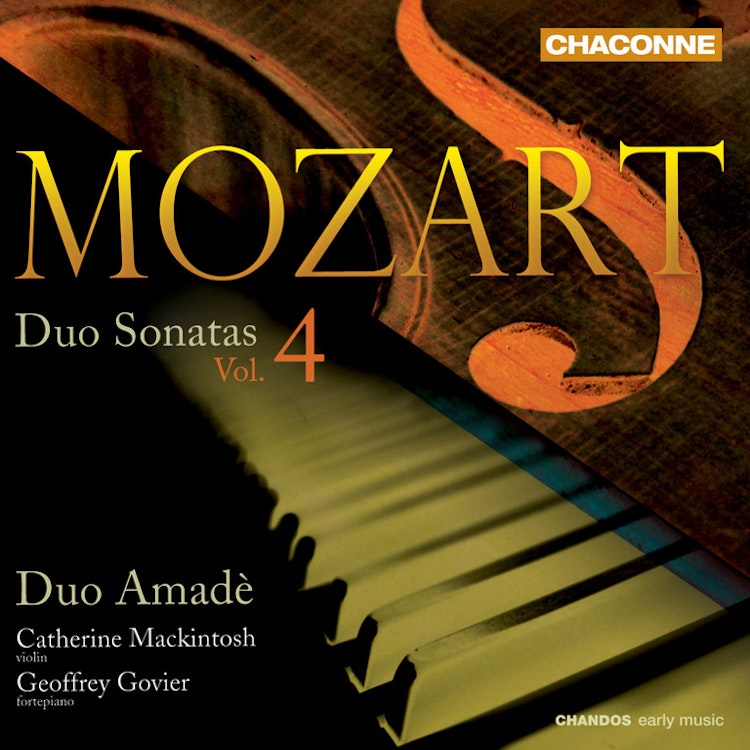
Duo Amadè, formed by violinist Catherine Mackintosh and fortepianist Geoffrey Govier, believes performing Mozart's violin sonatas on period instruments provides a unique freshness and vitality.
Composition History
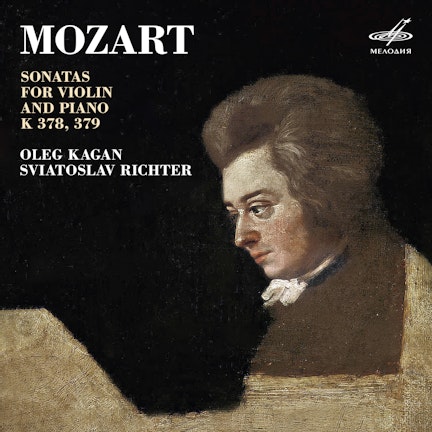
Mozart composed the Sonata, KV 379, in G major, for a concert for the Archbishop of Salzburg, writing it between 11 PM and 12 AM the night before, only notating the accompaniment.
You might also enjoy...
Mozart: Sonatas "Opus II" for Pianoforte and Violin