During the 18th century, the distinction between church music and opera was less pronounced, with composers like Mozart, Vivaldi, Handel, and Haydn using similar expressive voices for both sacred and secular works.
Composer Biography
Franz Joseph Haydn, after nearly thirty years as Kapellmeister for Prince Nikolaus Esterhazy, became a freelance composer in Vienna in his late fifties and embarked on successful tours to England.
Composition History
Schubert's offertory Totus in corde langueo may have been composed to win the affections of Therese Grob, the soprano at the Lichtental church where Schubert was a parish member.
Composer Biography
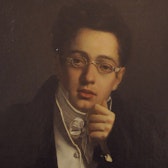
Franz Schubert's religious beliefs were ambiguous; he often omitted sections of the set text in his masses, suggesting a lack of sympathy with the institutional church.
Compositional Technique
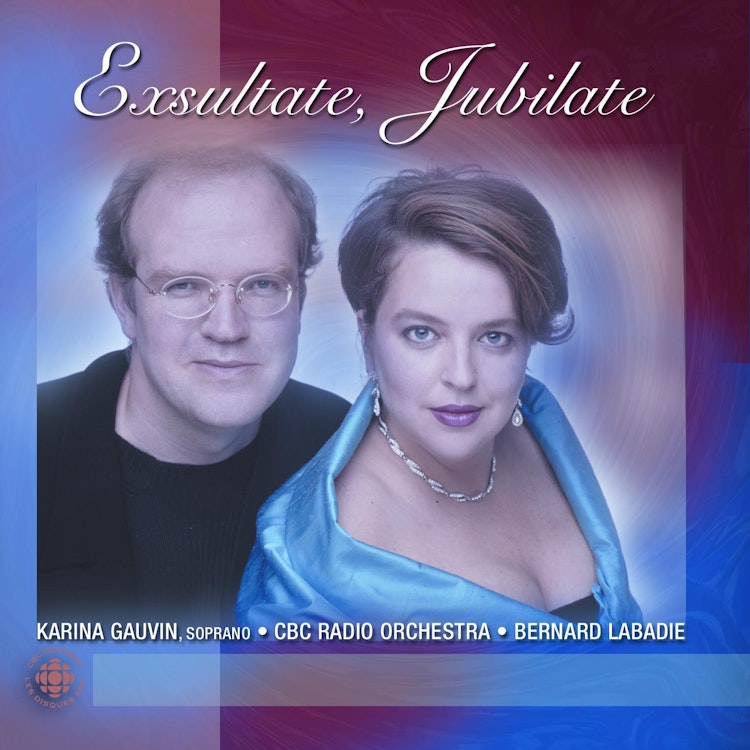
The Exsultate, jubilate is structured like a miniature vocal concerto, featuring an Allegro, an Andante, and a Presto finale, with dazzling coloratura passages for the soprano.
Composer Biography
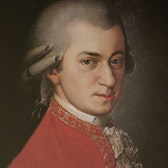
Mozart's years in Salzburg, where he composed many sacred works, were largely unhappy for him, as he referred to his position there as 'slavery'.
Composition History
Mozart's famous solo motet Exsultate, jubilate was composed for Venanzio Rauzzini, a celebrated Milanese castrato, whom Mozart befriended while in Milan for his opera Lucia Silla.
You might also enjoy...
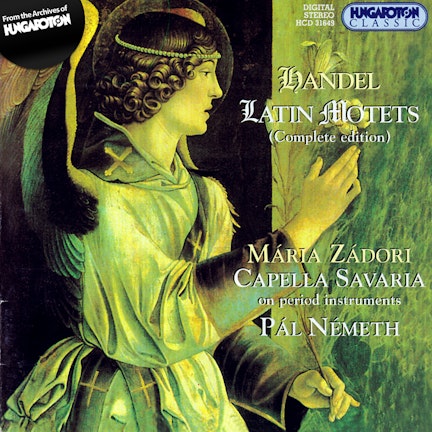
Handel: Latin Motets
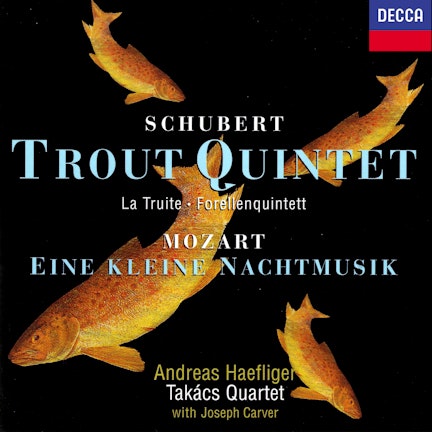
Schubert: Trout Quintet / Wolf: Italian Serenade / Mozart: Eine kleine Nachtmusik
Echoes of the Grand Canal
Vivaldi: Vocal and Instrumental Works
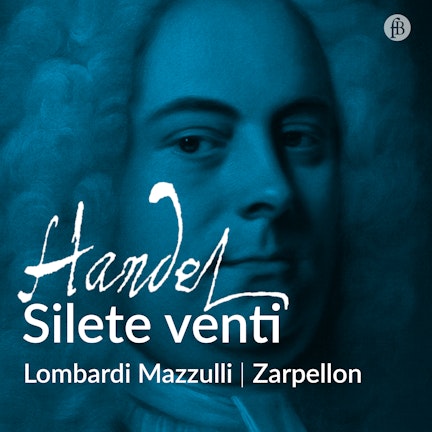
Handel: Silete venti
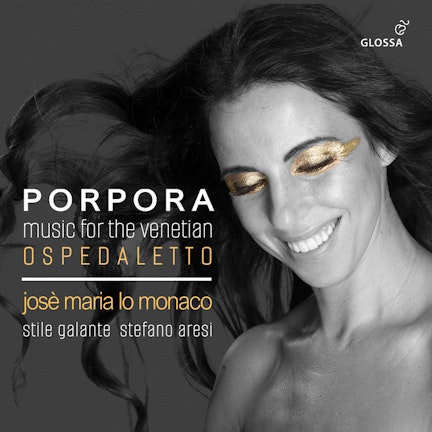
Nicola Porpora: Music for the Venetian Ospedaletto
Via Crucis
Mozart, W.A.: Ave Verum Corpus / Exsultate Jubilate / Laudate Dominum / Church Sonata No. 15 / Fantasy in F Minor, K. 608 / Ah, Lo Previdi