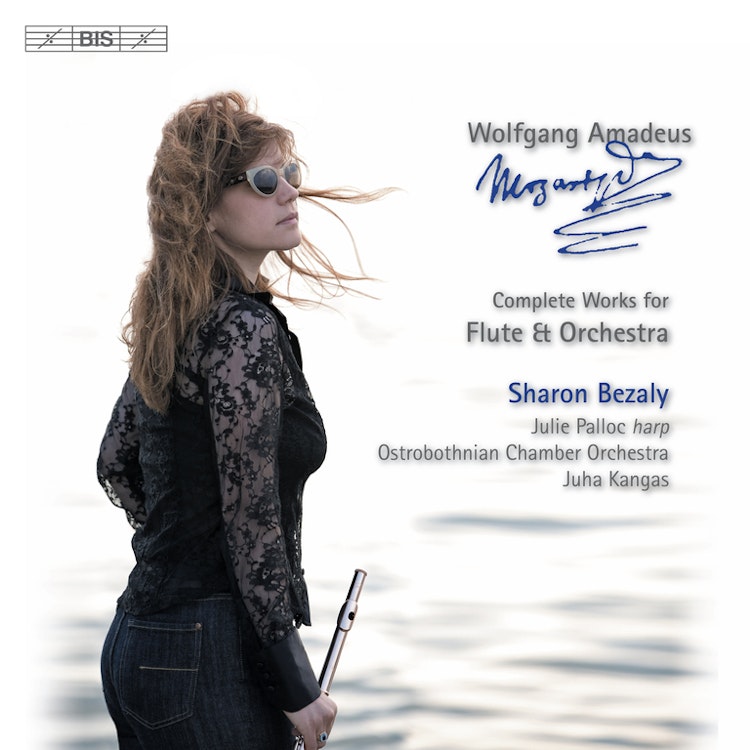
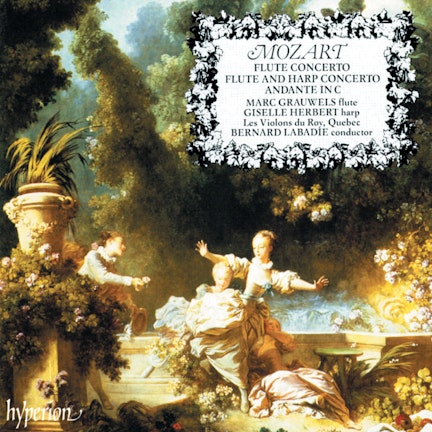
Mozart: Flute Concertos Nos. 1 and 2 / Concerto for Flute and Harp / Andante in C Major / Rondo in D Major
8/1/2008, 11 Tracks, 1:21:49
Featuring
Juha Kangas
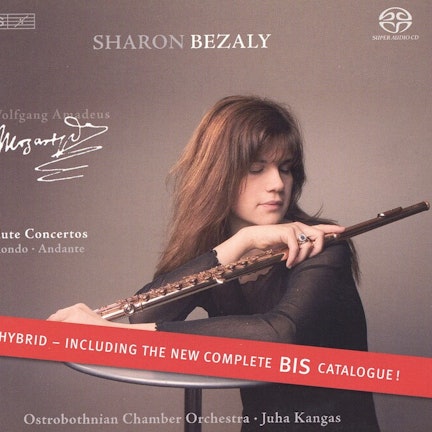
Sharon Bezaly
Julie Palloc
Ostrobothnian Chamber Orchestra
Wolfgang Amadeus Mozart
Did you know?
1/7
Composition History
The Flute Concerto in G major, KV 313, and the Andante in C major, KV 315, were commissioned by Ferdinand Dejean, a wealthy Dutch amateur flautist and former doctor with the United East India Company.
Composer Biography
Mozart's 1778 visit to Paris, during which he composed the Concerto for Flute, Harp and Orchestra, KV 299, was a difficult period, marked by professional and financial disappointments and the death of his mother.
Composer's Artistic Vision
Mozart expressed a strong dislike for writing for the flute, stating, "I am, as you know, always this reluctant if I have to write for an instrument that I can't stand."
Composition History
Mozart only partially fulfilled Dejean's commission for flute concertos, writing one new concerto, transcribing another from an oboe version, and not starting a third, which resulted in him receiving less payment.
Performer Biography
Sharon Bezaly, the flautist on this recording, plays a 24-carat gold flute custom-built for her by Muramatsu, and is known for her perfect control of circular breathing.
Compositional Technique
The Concerto for Flute, Harp and Orchestra, KV 299, incorporates elements of the sinfonia concertante, a popular genre in Paris at the time of its composition.
Recording & Production
The cadenzas for this album were specially written by Kalevi Aho, a contemporary composer, to expand on Mozart's musical language using the full spectrum of the modern flute.
You might also enjoy...
Mozart
Mozart: Flute Concertos Nos. 1 and 2 / Andante in C Major / Rondo in D Major
James Galway Plays Mozart
Mozart: Flute Concertos No. 1 & No. 2
Andrea Griminelli plays Mozart
Mozart: Flute Concertos, K. 313 & 314
Wolfgang Amadeus Mozart: Flute Concertos
Mozart: Flute Concerto No.1 K.313; Concerto for Flute & Harp K.299; Andante K.315
Mozart: Flute Concerto; Flute & Harp Concerto etc.