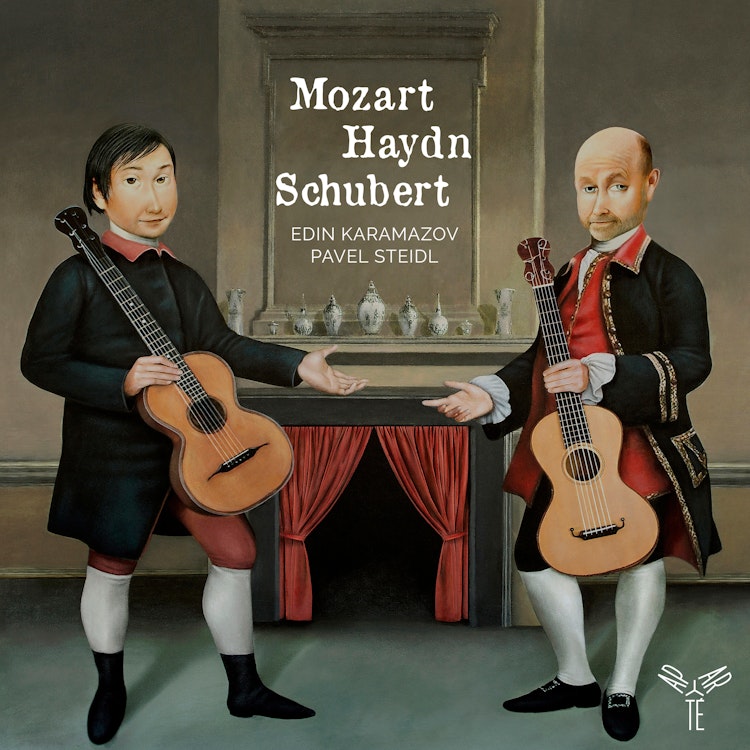
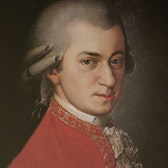
The guitar's original repertoire from the Viennese Classical era has few ambitious works from Mozart's and early Haydn's time, which was a transitional phase for the instrument.
Instruments
The arpeggione, a combination of guitar and cello invented by Johann Georg Stauffer, never gained widespread popularity despite the success of Schubert's Sonata for the instrument.
Interpretation
In the early 19th century, arranging other composers' works was common, ranging from simple amateur versions to virtuoso variations with added material by the arranger.
Interpretation
Playing classical masterpieces on period guitars makes sense because their transparent, more 'speaking' than 'singing' articulation aligns with the aesthetic of the fortepiano and arpeggione.
Instruments
Johann Georg Stauffer, a significant and creative guitar maker, developed innovations like the adjustable neck and improved tuning devices for guitars, and also created the 'bowed guitar' or 'arpeggione'.
Composer Biography
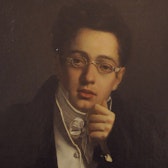
Franz Schubert had a special relationship with the guitar, even arranging a nocturne by Wenzel Thomas Matiegka for quartet, and many of his songs appeared with guitar accompaniment during his lifetime.
Historical Context
Arrangements of major works allowed the bourgeoisie to access music from concert halls and opera stages in their homes and salons.
You might also enjoy...
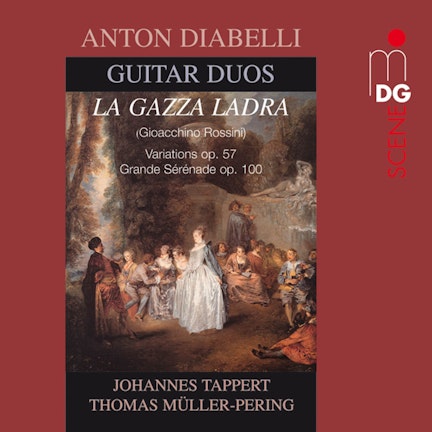
Diabelli: Guitar Duos, La Gazza Ladra
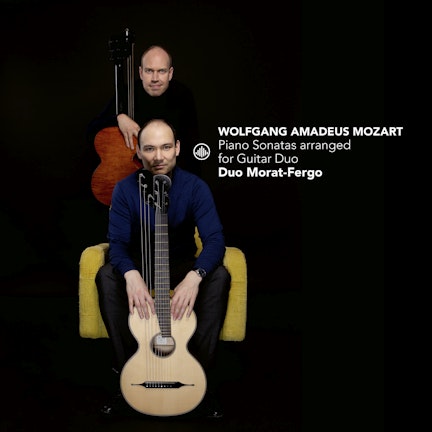
W.A. Mozart: Piano Sonatas Arranged for Guitar Duo
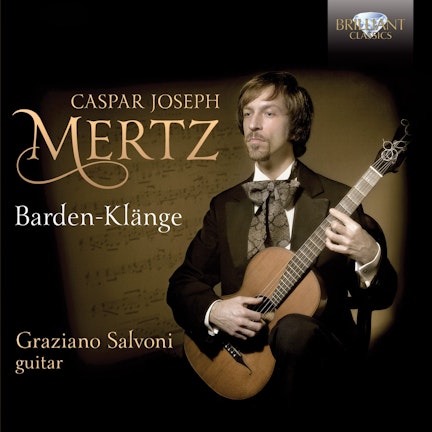
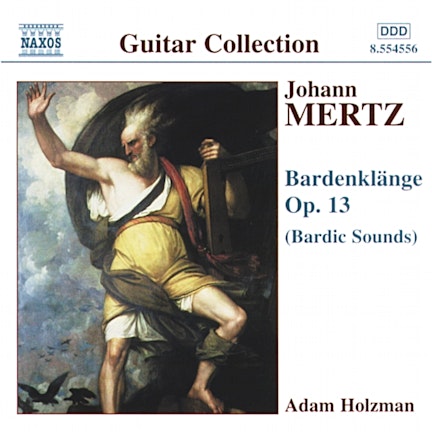
Mertz: Barden-Klänge
Bernstein: Scenes from West Side Story: V. America
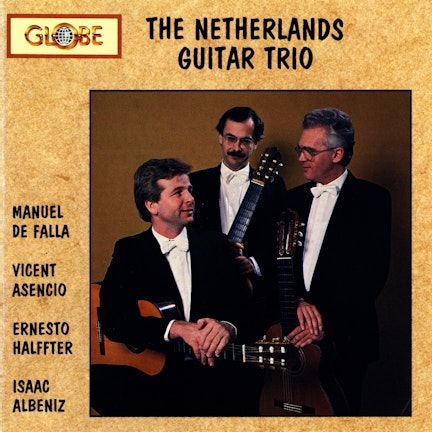
Manuel De Falla – Vicente Asencio – Ernesto Halffter – Isaac Albéniz
Play
Play
Parole in Musica: Music for Guitar Trio
Serene Nights
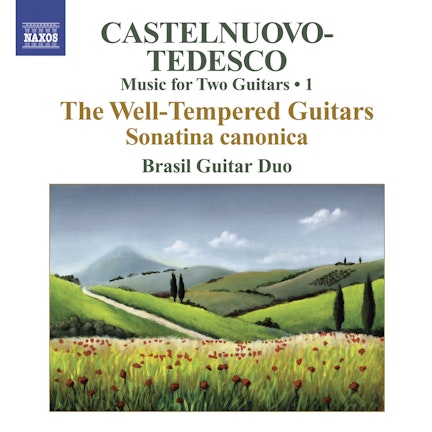
Castelnuovo-Tedesco, M.: Music for Two Guitars, Vol. 1 - Sonatina Canonica / Les Guitares Bien Temperees: Nos. 1-12
Villa-Lobos, H.: Bachianas Brasileiras No. 1 / Guarnieri, C.: Danca Negra / Gomes, C.: Sonata in D Major