Mozart: Le Nozze di Figaro (Overture), Symphony No. 40 - Joseph Haydn: Symphonies Nos. 88 & 94
8/1/2016, 13 Tracks, 1:13:16
Featuring
Wilhelm Furtwängler
Wiener Philharmoniker
Berliner Philharmoniker
Wolfgang Amadeus Mozart
Joseph Haydn
Did you know?
1/6
Performer Biography
Wilhelm Furtwängler was cleared of all allegations of collaborating with the National Socialists in December 1946, with Yehudi Menuhin and Ernest Ansermet advocating for him.
Interpretation
Wilhelm Furtwängler believed that an interpreter should make music live through rigorous preparation and understanding, allowing for a small part of improvisation to keep the work alive.
Performer Biography
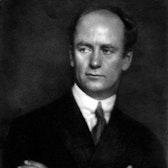
Wilhelm Furtwängler, the conductor on this album, was the son of archaeologist Adolf Furtwängler and grew up in a humanistically influenced home in Munich.
Performer Biography
Wilhelm Furtwängler resigned his post in December 1934 for political reasons after taking on numerous Jewish artists, which was criticized by the National Socialist regime.
Performer Biography
Wilhelm Furtwängler became the director of the Leipzig Gewandhaus Orchestra and the Berlin Philharmonic Orchestra in 1922, succeeding Arthur Nikisch.
Interpretation
Wilhelm Furtwängler considered improvisation the fundamental form of all musical activity, stating that a work is born by freely launching into space.
You might also enjoy...
Symphony in Brief - Charles O'Connell Conducting the Columbia Symphony Ochestra
Mozart: Symphonies 35 & 40
Haydn: Symphony No. 102 & Symphony No. 96 in D Major
Haydn 2032, Vol. 11: Au goût parisien
Johann Christoph Friedrich Bach: Symphonies Nos. 1-4