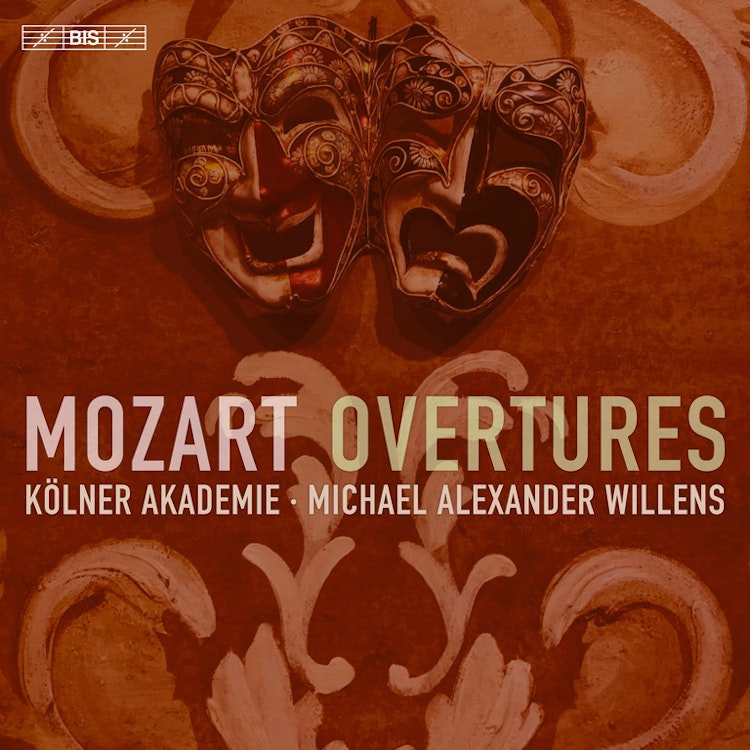
The Kölner Akademie, a period-instrument ensemble, has a broad repertoire from Baroque to contemporary music and has received numerous awards, performing at international festivals and making highly acclaimed recordings.
Performer Biography
Michael Alexander Willens, the conductor of the Kölner Akademie, studied at the Juilliard School and with Leonard Bernstein, and is dedicated to performing works by lesser-known contemporary American composers and neglected historical music.
Composer's Artistic Vision
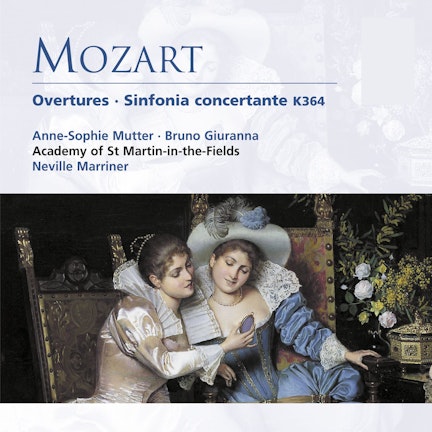
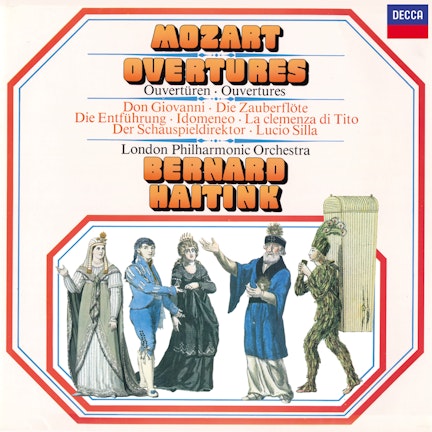
Mozart's opera overtures, such as those for Idomeneo, Le Nozze di Figaro, Don Giovanni, Così fan tutte, Die Zauberflöte, and La Clemenza di Tito, demonstrate his ability to capture the audience's attention with characterful and brilliantly orchestrated music.
Historical Context
The 'overture' evolved from instrumental 'sinfonias' in Renaissance court entertainments, stabilizing by the mid-17th century as orchestral music preceding a full dramatic work.
Cultural Impact
Towards the end of the 18th century, popular opera overtures were detached and performed as standalone orchestral works, sometimes arranged for wind bands, contributing to the emergence of a civic concert culture.
Compositional Technique
Mozart primarily used the Italian overture model, which typically featured a fast-slow-fast tripartite scheme that later evolved into a continuous fast movement resembling sonata form.
Compositional Technique
In his overtures, Mozart prefigures the opera's action through thematic quotation, general musical style, creating dramatic tension, and using strategic silence to build suspense.
You might also enjoy...
Mozart: Overtures & Eine kleine Nachtmusik
Mozart: Overtures; Eine kleine Nachtmusik
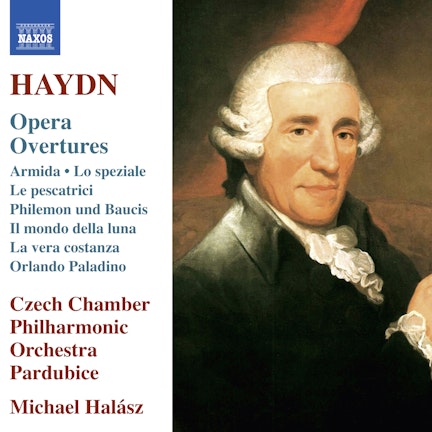
Haydn: Opera Overtures
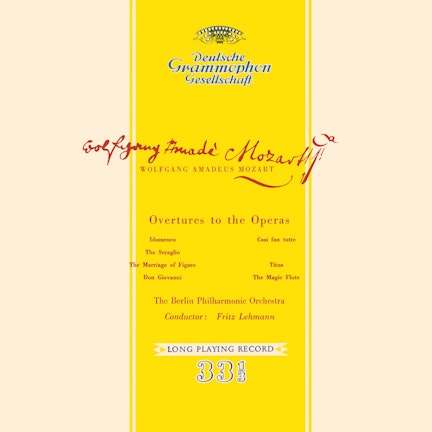
W.A. Mozart: Ouvertüren
Mozart: Overtures
Mozart: Overtures
Mozart: Overtures; Mozart, R. Strauss: Opera Arias