Mozart: Piano Concerto No. 21 - Sinfonia Concertante
1/31/1989, 6 Tracks, 1:01:57
Featuring
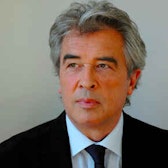
Jan-Olav Wedin
Staffan Scheja
Bernt Lysell
Nils-Erik Sparf
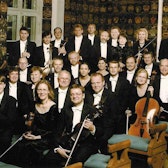
Stockholm Sinfonietta
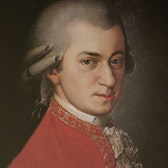
Wolfgang Amadeus Mozart
Did you know?
1/7
Composer's Artistic Vision
Telemann aimed to compose music well-suited to its intended instrument, exploiting the specific characteristics of each instrument optimally.
Composer Biography
Georg Philipp Telemann (1681–1767) taught himself to play instruments like the oboe, transverse flute, viola da gamba, double bass, and trombone, in addition to his main instruments.
Performer Biography
Clas Pehrsson, a recorder player on this album, was a founder member of the Association of Swedish Recorder Teachers in 1975 and has served as a juror at international recorder competitions.
Composer Biography
Mozart, an excellent violinist, increasingly played the viola later in his career, even performing in a quartet with Haydn as the first violinist.
Historical Context
In the late Baroque era, the recorder did not hold a strong position, and its parts were often played by other musicians, such as oboists.
Compositional Technique
Mozart's Sinfonia concertante for violin, viola, and orchestra K 364 uses 'scordatura' for the viola part, where the player tunes strings up a semitone to achieve a more brilliant sound.
Composition History
Telemann's collection "Der getreue Musikmeister" (1728) is likely the earliest example of a musical pedagogy work issued as a serial publication by subscription.
You might also enjoy...
Brahms: Piano Concerto No. 2 in B Flat Major, Op. 83 - The Budapest Years 1985-2005
Weber: Complete Chamber Music for Clarinet
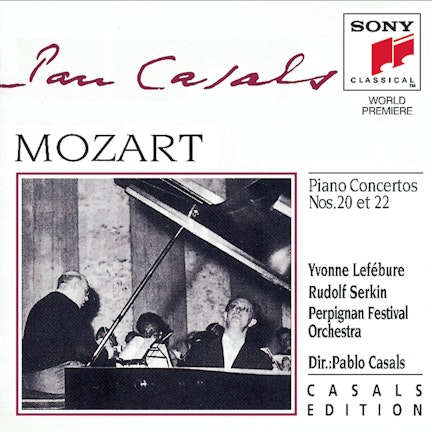
Mozart: Piano Concerto No. 20, K. 466; Piano Concerto No. 22, K. 482
Weber, Gade, Donizetti, Brahms & Martinu: Clarinet Works
Homage
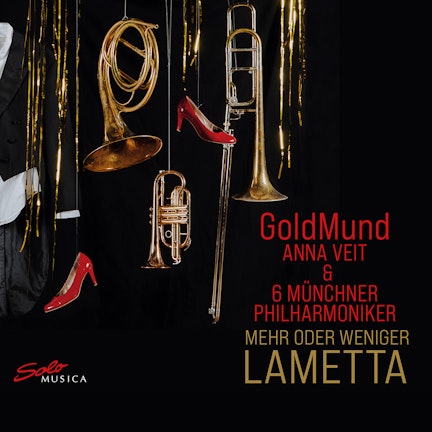
Mehr oder weniger Lametta
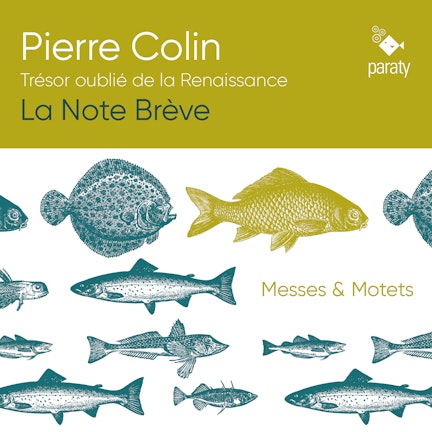
Pierre Colin, Trésor oublié de la Renaissance
Ries: Piano Quartets Op. 13 and 17
Lang: Death Speaks
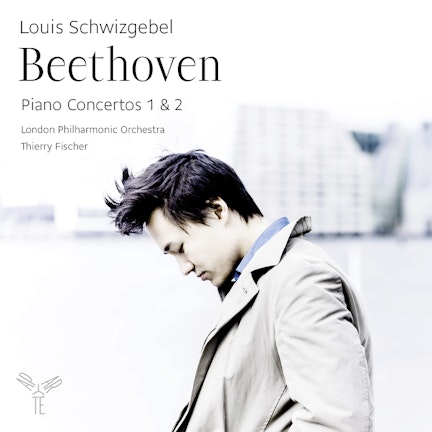
Beethoveen: Piano Concertos 1 & 2
Krommer: Octet Partitas for Winds
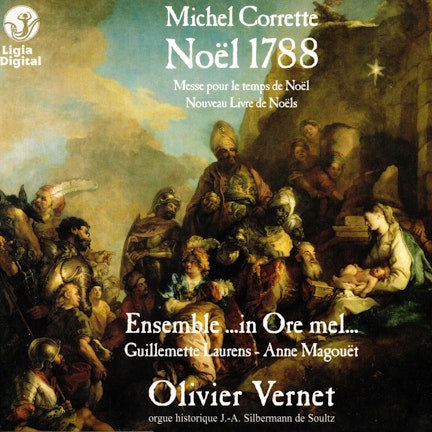
Corrette : Noël 1788 (Messes pour le temps de Noël - Nouveau Livre de Noëls)