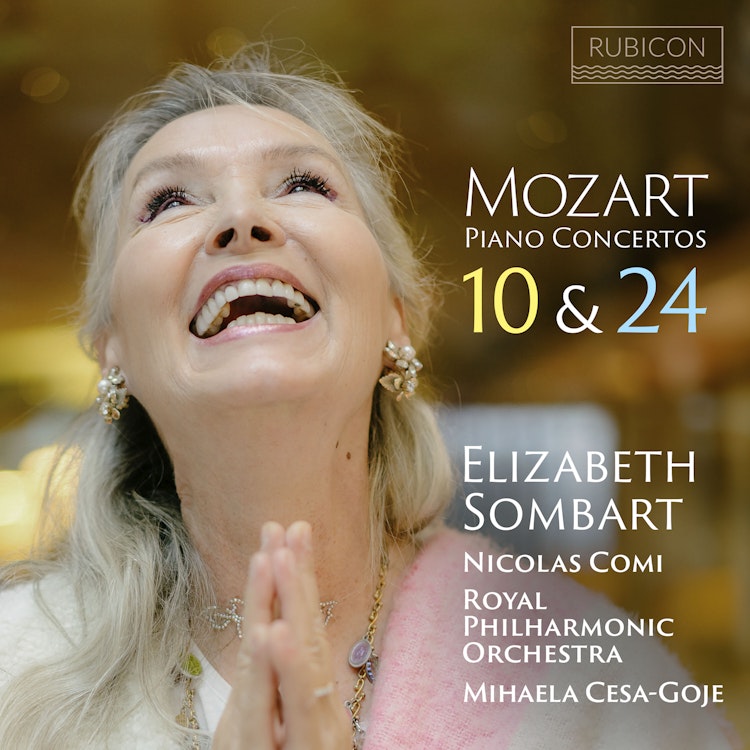
The final movement of the Piano Concerto No.24, K.491, is a set of variations, an unusual choice for a concerto finale, culminating in a resolute rather than celebratory ending.
Recording & Production
This album was recorded at Henry Wood Hall in London in March 2025, with Simon Kiln as producer and Arne Akselberg as recording, mixing, and mastering engineer.
Composition History
The Concerto for Two Pianos, K.365, was composed in Salzburg in 1779 for Mozart to perform with his sister Nannerl.
Historical Context
C minor, the key of Piano Concerto No.24, K.491, was a very unusual key for concertos at the time, with no concertos in this key found among Mozart's contemporaries.
Compositional Technique
In the Concerto for Two Pianos, K.365, Mozart avoids empty virtuosity, ensuring that even brilliant passages serve the dialogue between the soloists.
Composition History
The Piano Concerto No.24 in C minor, K.491, was composed in Vienna in 1786, the same year as Mozart's opera Le nozze di Figaro.
Composer's Artistic Vision
Mozart's piano concertos combine formal elegance with dramatic expressiveness and an unprecedented level of dialogue between soloist and orchestra.
You might also enjoy...
Mozart: Piano Concerto No. 17, KV453
Mozart: Piano Concertos Nos. 17 in G major & 26 in D major, 'Coronation'
Mozart: 9. / 27. Klavierkonzert
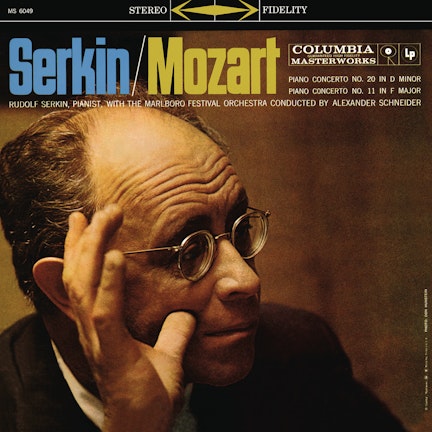
Mozart: Piano Concerto No. 20 in D Minor, K. 466 & Piano Concerto No. 11 in F Major, K. 413
Mozart: Piano Concertos Nos. 23 & 26 "Coronation"
Mozart: Piano Concertos Nos. 24 and 27
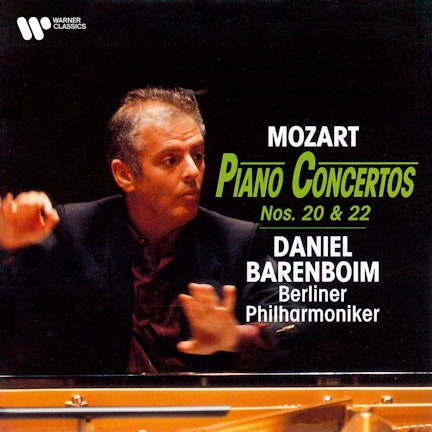
Mozart: Piano Concertos Nos. 20 & 22
Mozart: Piano Concerto No. 27 in B-Flat Major, K. 595
Mozart: Piano Concerto No.20; Concerto for 2 Pianos; Concerto for 3 Pianos
Leif Ove Andsnes Plays Mozart
Wolfgang Amadeus Mozart: Piano Concertos Nos. 19 & 27