After leaving the service of Archbishop Colloredo of Salzburg in 1781, Mozart moved to Vienna, which he called 'the land of the clavier,' and quickly secured a substantial income.
Composer's Artistic Vision
In his 1784 concertos, Mozart perfected his ideal by blending solo virtuosity, symphonic drama, chamber music finesse, and vivid operatic characterization.
Composition History
In 1784, a highly productive year for Mozart, he composed six concertos, beginning with K449, the first work he entered into his personal thematic catalogue.
Compositional Technique
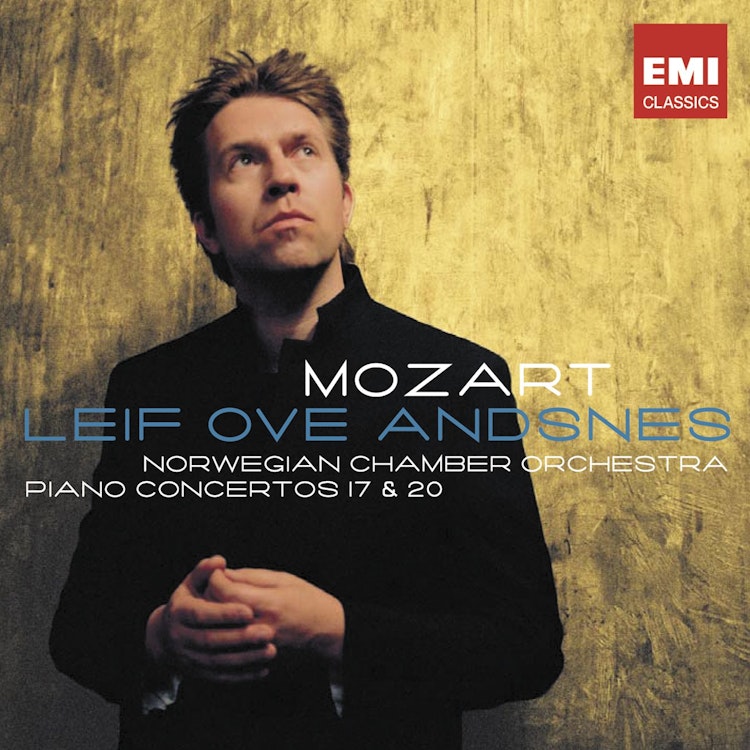
The finale of Mozart's Piano Concerto No. 17, K453, is a set of variations based on a catchy tune that was reportedly whistled by the composer's pet starling.
Critical Reception
Mozart's Piano Concerto No. 20, K466, was a favorite of the Romantics, at a time when much of his music was either dismissed as 'Dresden-china prettiness' or idealized as a 'lost Eden'.
Compositional Technique
The first and last movements of Mozart's Piano Concerto No. 20, K466, are reinforced by trumpets and drums, and have a sombre passion that foreshadows the D minor numbers in his opera Don Giovanni.
Composition History
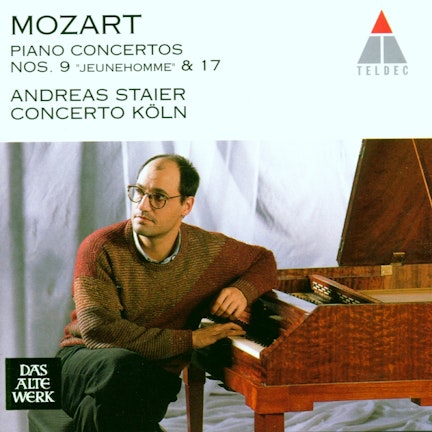
Piano Concerto No. 17, K453, was intended for Barbara von Ployer, a gifted pupil and daughter of the Salzburg Court Agent in Vienna, who performed it at a private concert.
You might also enjoy...
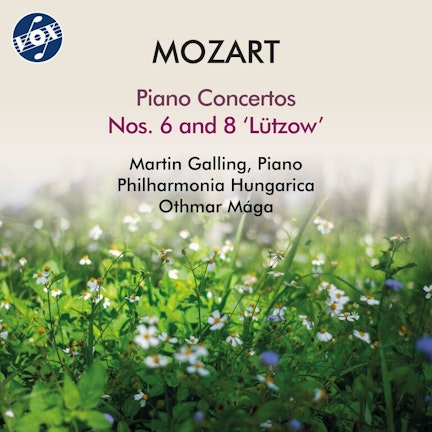
Mozart: Piano Concertos Nos. 6 & 8 "Lützow"
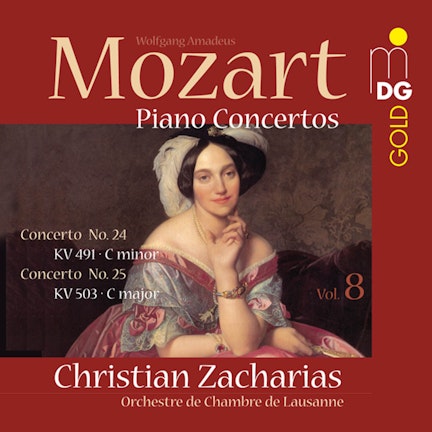
Mozart: Piano Concertos Vol. 8
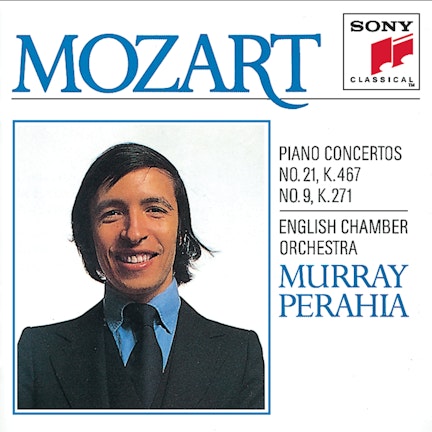
Mozart: Concertos for Piano and Orchestra Nos. 9 & 21
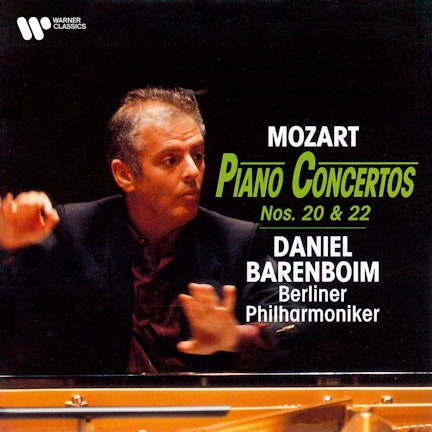
Mozart: Piano Concertos Nos. 20 & 22
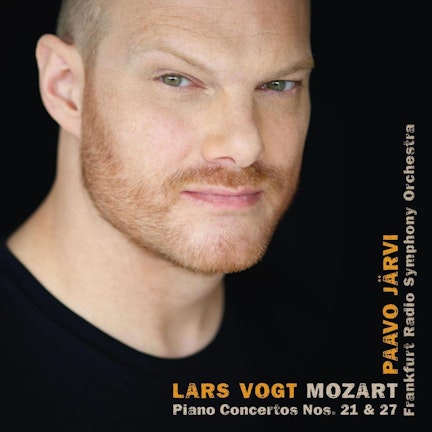
W.A. Mozart: Piano Concertos No. 21 in C Major, K. 467 & No. 27 in B-Flat Major, K. 595