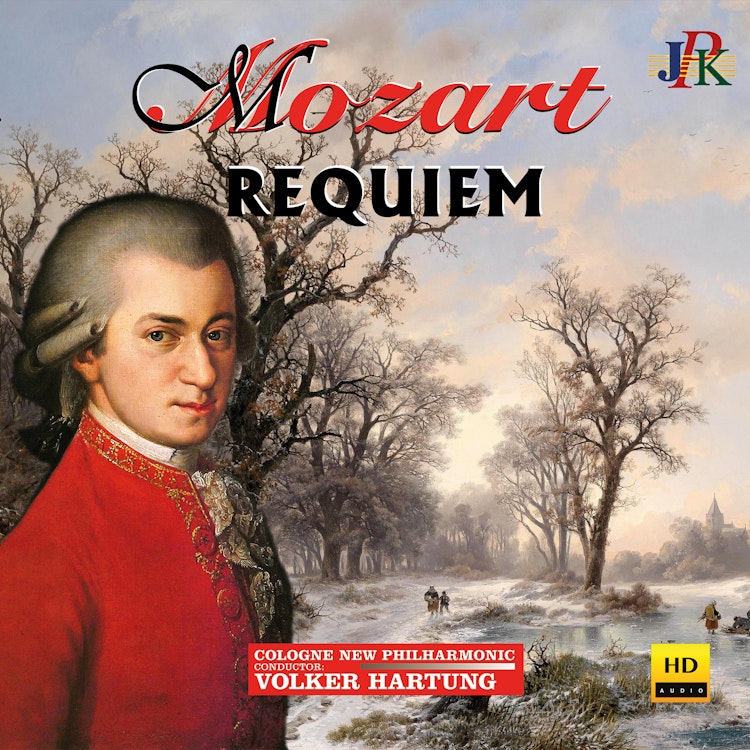
Volker Hartung, the conductor, studied viola at the Juilliard School of Music and conducting with Sergiu Celibidache, developing a special understanding of various musical traditions.
Composition History
Mozart's Requiem was a commissioned work, and he died during its composition in December 1791, leaving it unfinished.
Compositional Technique
The Requiem's orchestration is notable for its lack of flutes and oboes, giving the sound a dark quality due to the prominent basset horns.
Recording & Production
This recording uses modern instruments and performs the Bärenreiter Urtext Edition, which includes completions by both Eybler and Süßmayr.
Composition History
Joseph Eybler and Franz Xaver Süßmayr, a pupil of Mozart, completed the Requiem on behalf of Mozart's widow, Constanze, to secure the remaining payment.
Critical Reception
The Requiem's enduring popularity is not solely musical, but also due to the myths and secrets surrounding Mozart's early death and the work's genesis.
Composition History
The Requiem was commissioned by mediators for the eccentric Count Franz von Walsegg, who intended to pass it off as his own work.
You might also enjoy...
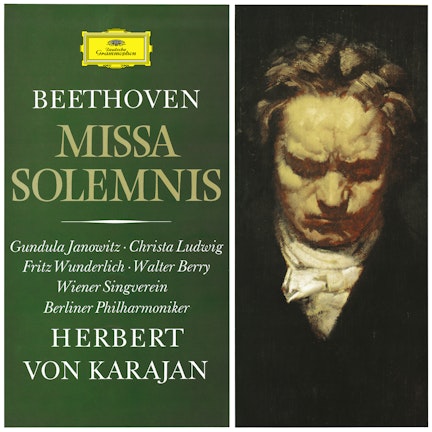
Beethoven: Missa Solemnis, Op. 123
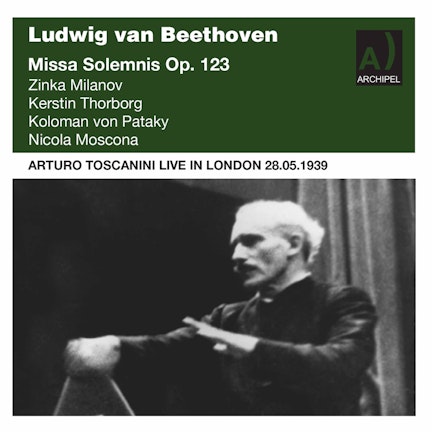
Beethoven: Missa solemnis in D Major, Op. 123 (Live)
Wolfgang Amadeus Mozart: Mass No. 18, "Great" (Koch)
Bruckner: Te Deum; Mozart: Requiem
"Die Himmel erzählen die Ehre Gottes" from Haydn: The Creation (Die Schöpfung) with Simon Rattle