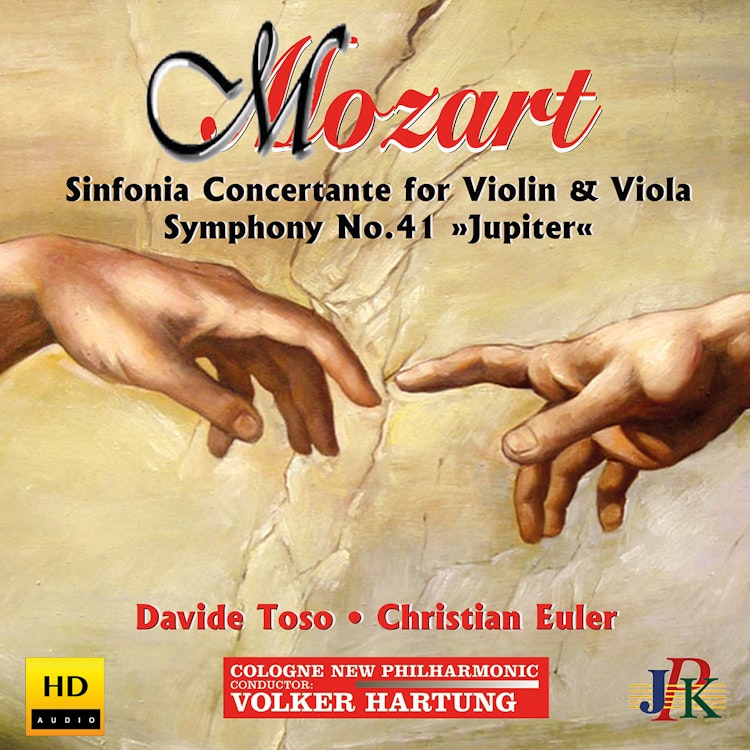
Mozart: Sinfonia concertante in E-Flat Major & Symphony No. 41 "Jupiter"
1/19/2018, 7 Tracks, 57:21
Featuring
Volker Hartung
Davide Toso
Christian Euler
Junge Philharmonie Köln
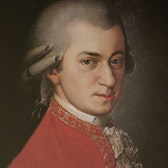
Wolfgang Amadeus Mozart
Did you know?
1/7
Composer Biography
Wolfgang Amadeus Mozart was a child prodigy violinist, whose strenuous travels with his father Leopold across Europe may have contributed to his fragile health and early death.
Composition History
Mozart's Symphony No. 41, 'Jupiter,' was composed in the summer of 1788 and is his last and greatest symphony.
Instruments
The viola, whose Italian name means "mother of all string instruments," was considered the "Cinderella" of the family until the 20th century.
Compositional Technique
The most famous characteristic of Mozart's 'Jupiter' Symphony is the five-voice fugato in its fourth movement, which combines five main themes.
Critical Reception
The 'Jupiter' Symphony was celebrated as the 'highest triumph of instrumental composition' and Johannes Brahms later stated that Mozart's last three symphonies were "much more important" than Beethoven's first.
Compositional Technique
In his Sinfonia Concertante, Mozart used a technique called scordatura for the viola, where the instrument is tuned a semitone higher than normal, making it sound brighter and larger.
Performer Biography
Davide Toso, a renowned chamber musician, is the principal violist of the "La Fenice" Opera House Orchestra in Venice.
You might also enjoy...
Mozart:Symphony No. 40 in G Minor K.550 & Sinfonia Concertante in E-flat Major
Bach, J.C.: Sinfonias, Vol. 3
Mozart: Horn Concertos
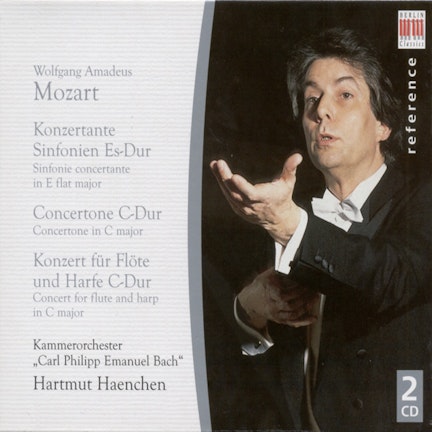
Wolfgang Amadeus Mozart: Sinfonia concertantes, K. 297b and 364 / Concerto for Flute and Harp / Concertone, K. 190
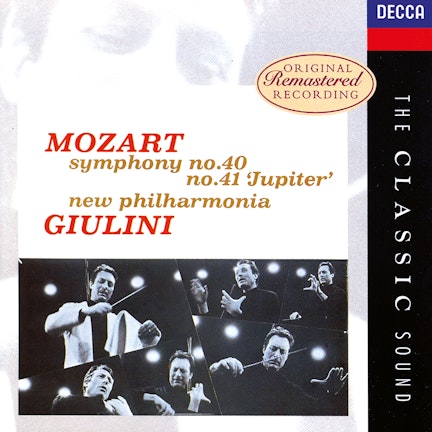
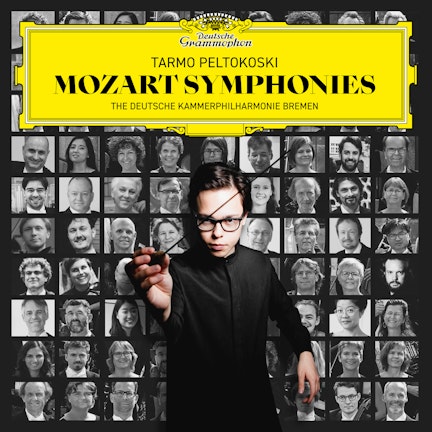
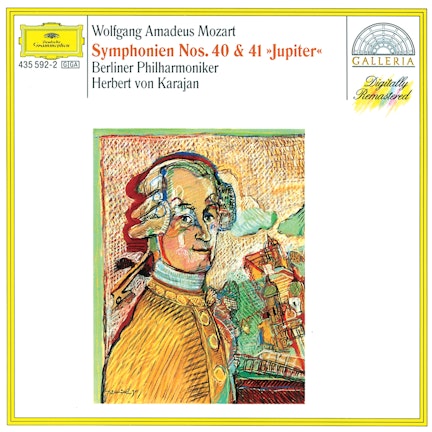
Mozart: Symphonies Nos. 40 & 41
Mozart: Symphony No. 40 in G Minor, K. 550: I. Molto allegro
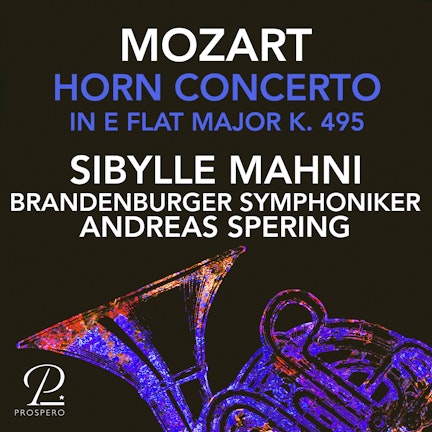
Mozart: Horn Concerto No. 4 in E-Flat Major, K. 495