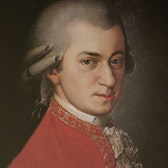
Mozart: Sonatas C major, K. 330 - A major, K. 331 - F major, K. 332
12/4/2012, 9 Tracks, 1:16:00
Featuring
Noriko Ogawa
Wolfgang Amadeus Mozart
Did you know?
1/7
Composition History
Mozart's solo keyboard sonatas, including those on this album, served as both saleable commodities for the domestic music market and teaching material for his piano pupils among the Viennese nobility.
Performer Biography
Noriko Ogawa is actively involved in charity work, particularly after the 2011 earthquake and tsunami in Japan, and has founded 'Jamie's Concerts' for autistic children and their parents.
Interpretation
Differences between Mozart's autograph manuscripts and the 1785 printed editions of these sonatas, such as added codas, dynamics, and embellishments, may show how Mozart expected his notation to be realized in performance.
Composer Biography
Wolfgang Amadeus Mozart, the composer, became a freelance composer and performer in Vienna after leaving the service of Prince-Archbishop Hieronymous Colloredo in 1780.
Composer's Artistic Vision
Mozart considered Vienna, the capital of culture in the Habsburg world, to be 'the land of the Clavier' and the best place for an artist of his talents.
Compositional Technique
The autograph manuscripts for these sonatas suggest a pedagogical context because the right-hand stave is written in the old-fashioned soprano clef, which Mozart used for teaching music theory and counterpoint.
Performer Biography
Noriko Ogawa, the pianist on this album, has received the Japanese Ministry of Education's Art Prize for her outstanding contribution to Japan's global cultural profile.