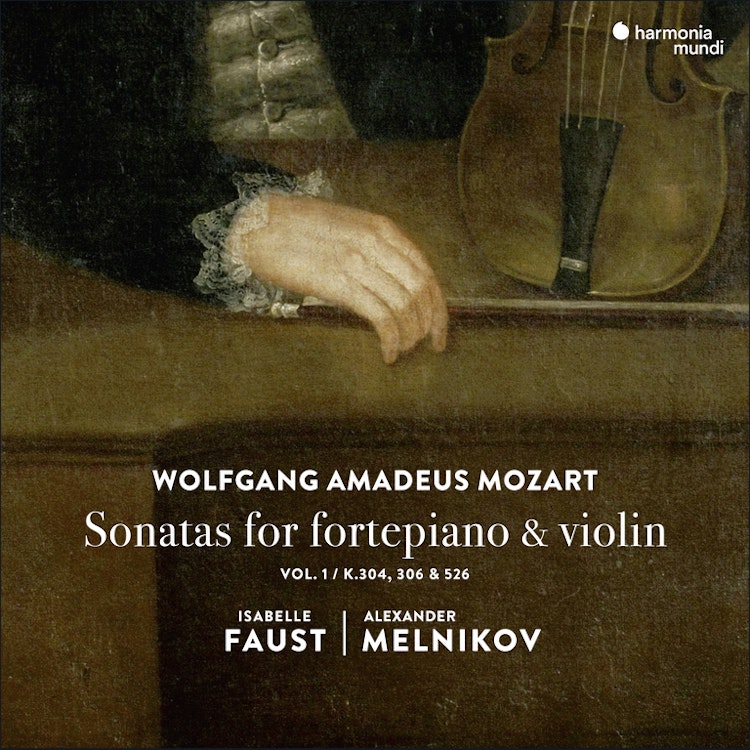
Mozart's Six Palatine Sonatas for piano and violin, K. 301-306, were published in Paris in November 1778, reflecting experiences from his journey from Salzburg.
Composer Biography
During the composition of the Palatine Sonatas, Mozart met singer Aloysia Weber, whom he wished to marry, and also experienced the death of his mother in Paris.
Compositional Technique
Mozart's sonatas moved away from the tradition of the violin merely accompanying the keyboard, instead creating a true 'duo' where both instruments dialogue as equals.
Composition History
Mozart's last violin sonata, K. 526, was completed on August 24, 1787, during the intense period when he was composing his opera Don Giovanni.
Instruments
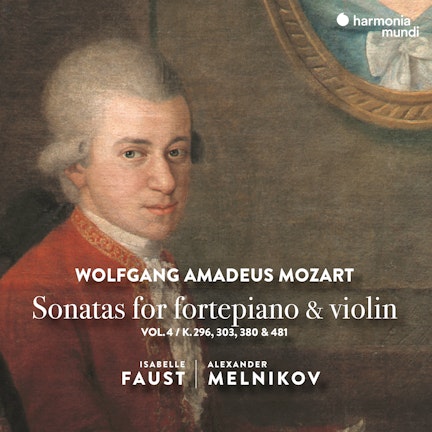
Isabelle Faust performs on an A. Stradivarius violin named 'Sleeping Beauty' from 1704, on loan from the L-Bank Baden-Württemberg.
Instruments
Alexander Melnikov plays a fortepiano by Christoph Kern, built in 2014, which is modeled after an Anton Walter fortepiano from Vienna, 1795.
Composer's Artistic Vision
Mozart was inspired by Joseph Schuster's sonatas, which featured a new use of the violin, leading him to compose his own 'duetti' with equal roles for both instruments.
You might also enjoy...
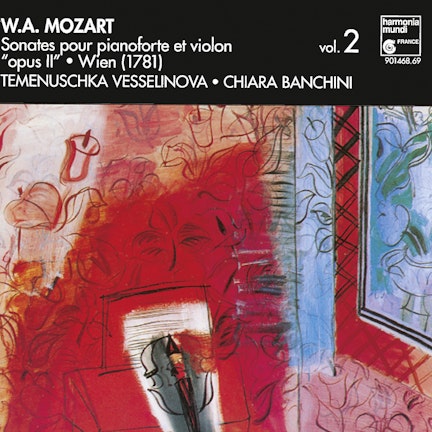
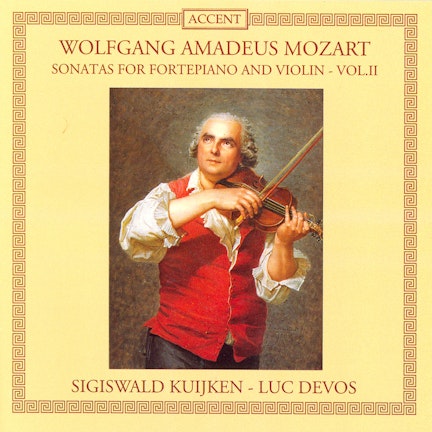
Mozart: Sonatas "Opus II" for Pianoforte and Violin