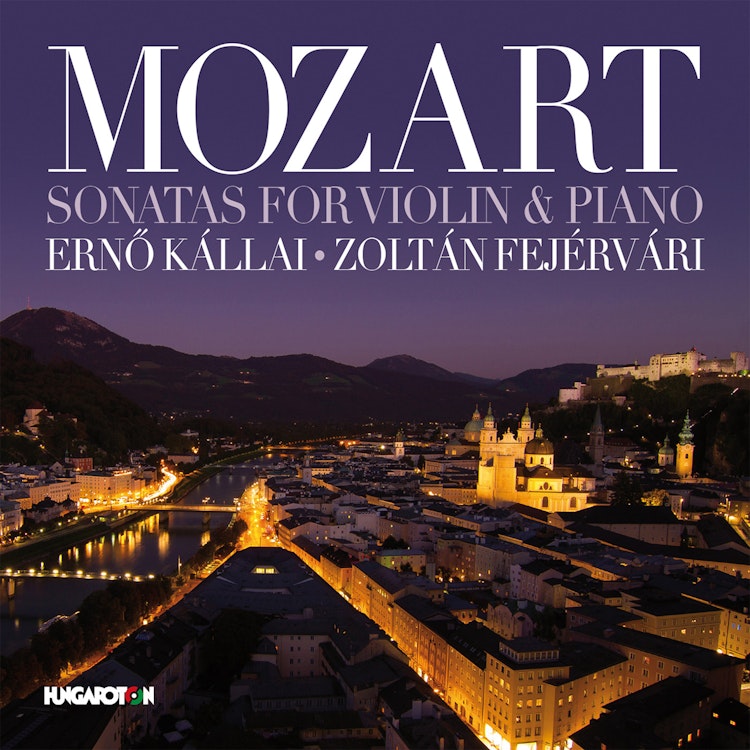
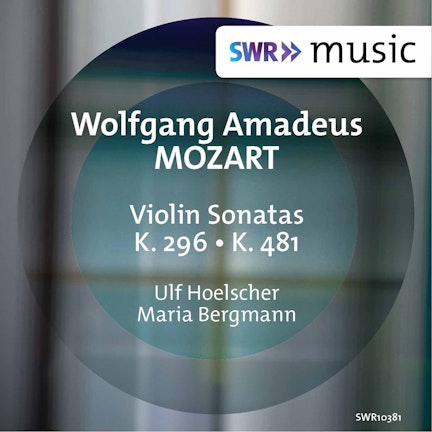
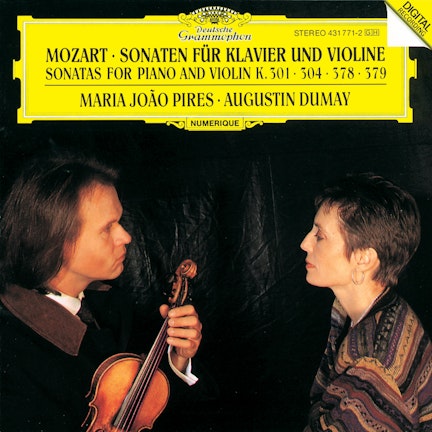
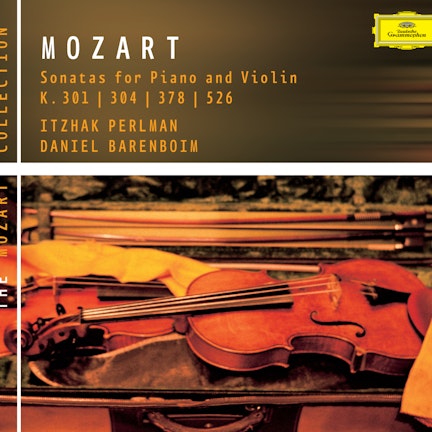
Mozart's violin sonatas include both true sonatas for violin and piano, and "accompanied piano sonatas" where the violin part is generally less prominent.
Performer Biography
Violinist Ernő Kállai made his debut as a soloist at Carnegie Hall Stern Auditorium with the Juilliard Orchestra in 2008 and studied with Itzhak Perlman at Juilliard University.
Instruments
Ernő Kállai plays a Carlo Antonio Testore violin, which was a gift from the Summa Artium Foundation.
Composer's Artistic Vision
Mozart composed the Sonata in A major K. 526 with his own pianistic abilities in mind, as suggested by the shining virtuosity of the piano part.
Composition History
Mozart's Sonata in B flat major K. 454 was premiered in Vienna by Italian violinist Regina Strinasacchi and Mozart himself, who improvised his piano part from a blank sheet.
Composer Biography
The Sonata in E minor K. 304 reflects dramatic events in Mozart's life in 1778, including personal failures, disappointment in love, financial fiascos, and the sudden death of his mother.
Historical Context
The genre of the "accompanied piano sonata" was a popular French salon genre in the 1760s-70s, which Mozart encountered through Schobert's works.
You might also enjoy...
The Grand Duo: Schubert Complete Sonatas
Mozart: Violin Sonatas, Vol. 2
Wolfgang Amadeus Mozart: Mozart in Mannheim
Mozart in Paris: 6 Sonatas, Op. 1
Dialog mit Mozart
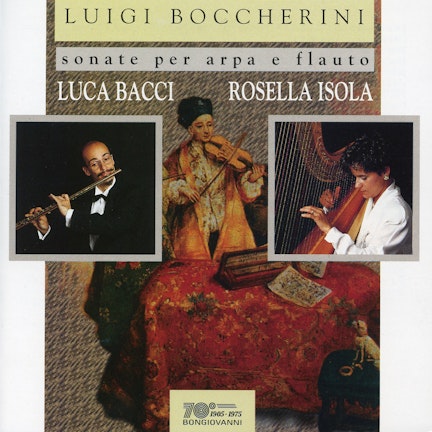
Boccherini: Sonate per arpa e flauto, Op. 5
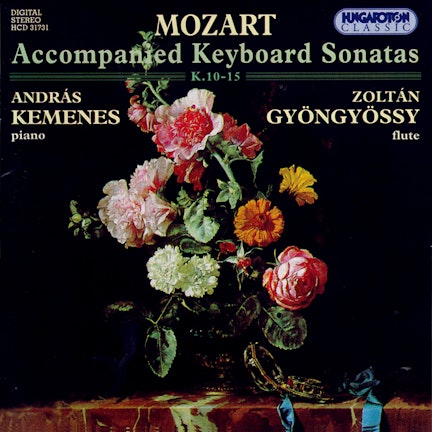
Mozart: Violin Sonatas, K. 10-15 (Arr. for Flute and Piano)