During the second half of the 18th century, the orchestral symphony, partly derived from Italian operatic overtures, gained increasing importance.
Mozart was dismissed from his position by the Archbishop in May 1781 after an open quarrel, leading him to seek an independent living in Vienna.
Mozart left Salzburg in 1777 to seek employment elsewhere, as he grew increasingly resentful of his subservient position under the Archbishop.
Mozart's father, Leopold Mozart, sacrificed his own musical career to foster his son's genius, supervising his education and musical training.
Wolfgang Amadeus Mozart and his elder sister Anna-Maria toured Europe as child prodigies, performing at courts and attracting public curiosity.
The typical four-movement symphony of Mozart's time included a Minuet and Trio as its third movement and often ended with a rondo.
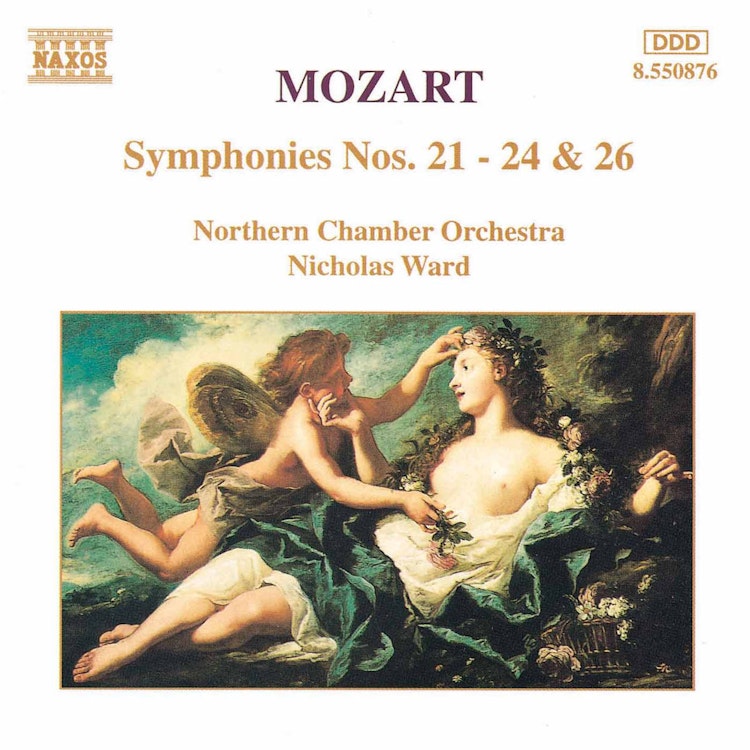
Nicholas Ward, the conductor, was born to parents who met as members of the Hallé Orchestra, and he formed his own string quartet at age twelve.