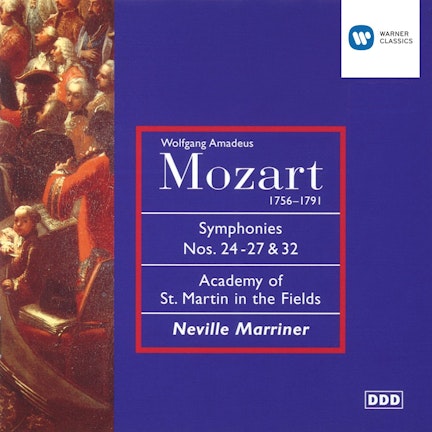
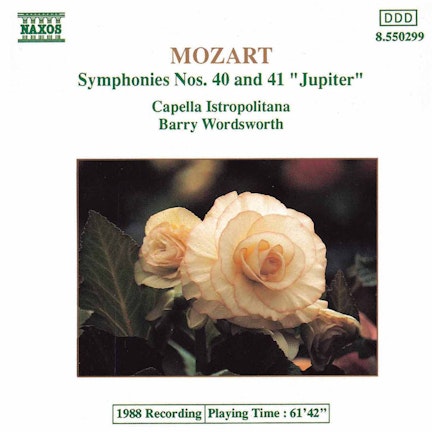
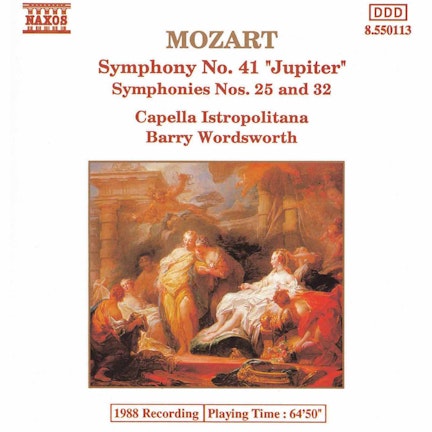
Viennese audiences, described as conservative, were no longer interested in Mozart's "masterful modernist compositions" and even considered him a "dissonance hunter."
Composer's Artistic Vision
Mozart, despite his personal difficulties, used his last symphonies to illuminate all aspects of human expression, with each symphony presenting a different character.
Compositional Technique
The Symphony No. 41, known as the 'Jupiter' symphony, achieves a sublime synthesis of sonata form and fugue in its Finale, a "tour de force" unique to Mozart.
Composer's Artistic Vision
Mozart's symphonies were considered "Gebrauchsmusik" or "music for use," meaning they were functional music tied to a specific setting, rather than "art for art's sake."
Compositional Technique
Mozart's Symphony No. 40 in G minor goes against convention by being in a minor key and originally not including trumpets and timpani.
Composition History
Mozart composed his last three symphonies, including these two, in a scant ten weeks during the summer of 1788, when he was 32 years old.
Composer Biography
Despite his recent success with "Nozze di Figaro" (1786), Mozart's social standing and financial situation declined in Vienna, with only one subscriber for his 1788-89 concert season.