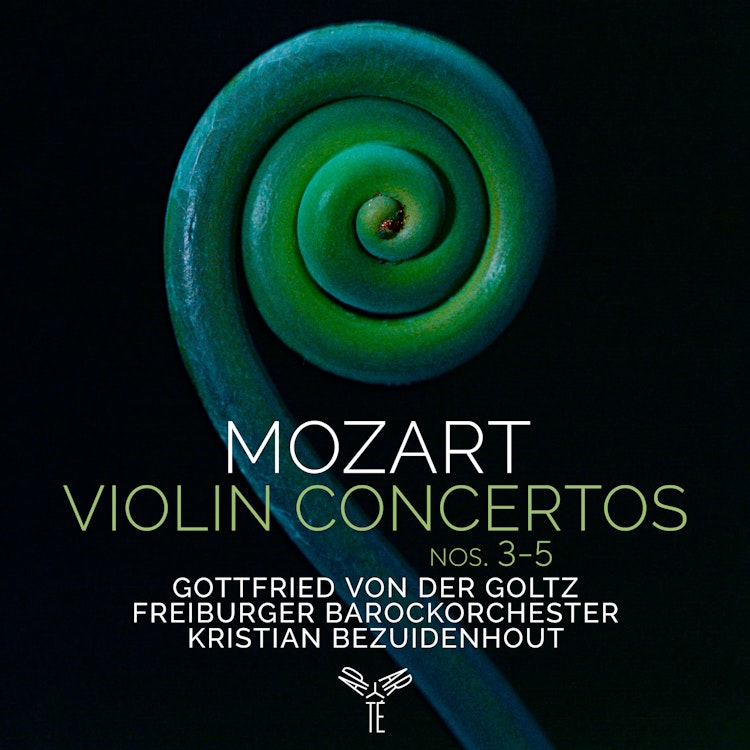
Mozart integrated elements of opera arias into his violin concertos, creating a new concerto type that features a fluid dialogue between soloist and orchestra.
Composition History
Mozart composed these violin concertos in 1775, alongside two operas, making him a complete artist as both a composer and instrumentalist.
Compositional Technique
In the finale of the Violin Concerto in A major, K.219, Mozart includes an exotic 'alla turca' theme with instructions for cellos and double basses to strike the strings with the wood of the bow, imitating Janissary music.
Compositional Technique
The finale of Mozart's Violin Concerto in G major, K.216, includes a folk tune that was identified as a dance composed by Viennese court conductor Georg Reutter, known as a 'Strasbourg melody'.
Composition History
When Mozart moved to Vienna in 1781, he altered the dates on his violin concerto manuscripts from 1775 to 1780 to present them as fresh works to the Viennese public.
Composer Biography
Mozart was a skilled violinist himself, performing his own violin concertos and those of other composers, and was praised for his beautiful and pure tone.
Composer's Artistic Vision
Mozart's violin concertos demonstrate his transversal thinking, where he allowed works from different genres, like opera and concertos, to influence each other.
You might also enjoy...
Mozart: Violin Concertos Nos. 1, 2 and 5
Spirit of Europe
Best Of Classics 18: Mozart / Violin
Mozart Violin Concertos (Original 2006 Edition)
Mozart, W.A.: Violin Concertos Nos. 3-5 To
Mozart: Violin Concertos 3, 4 & 5
Mozart: Violin Concertos Nos.3-5
Haydn: Violin Concertos
Mozart: Violin Concertos Nos. 3-5
Mozart: Concertos For Violin And Orchestra, K.216, K.218 & K.219