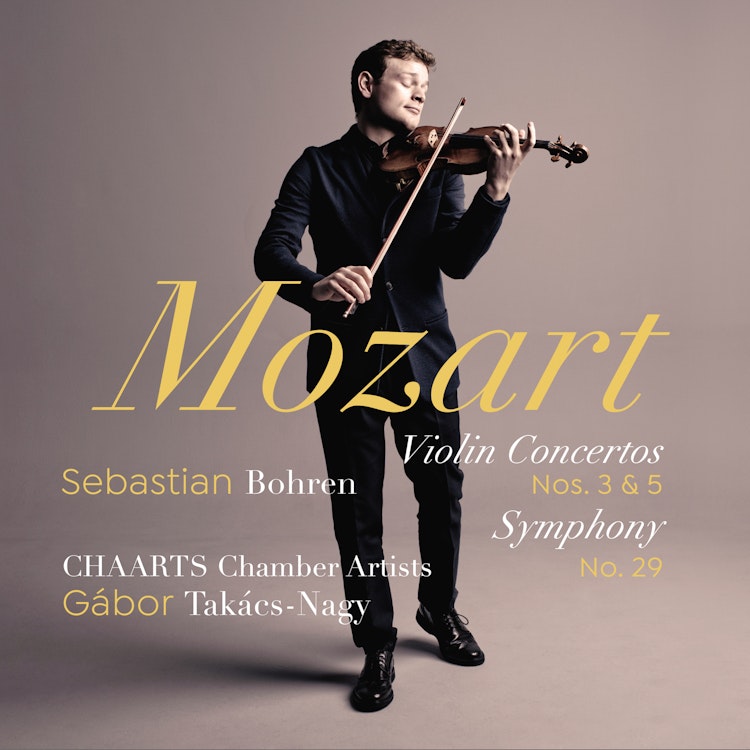
Mozart wrote four of his five violin concertos in rapid succession in 1775, a period that could be described as his 'year of the violin', and never returned to the genre afterward.
Recording & Production
Sebastian Bohren, the violinist, re-recorded the entire album because he felt the initial sessions lacked sufficient closeness to the works and his own performance was not 'quite right'.
Instruments
Sebastian Bohren plays a violin made by Giovanni Battista Guadagnini in Parma in 1761, known as the 'Ex-Wanamaker-Hart'.
Composer's Artistic Vision
Conductor Gábor Takács-Nagy believes the key to Mozart's music lies in his operas, viewing Mozart's instrumental music as 'miniature psychological dramas'.
Interpretation
Sebastian Bohren spent two months going through the violin concertos note by note with conductor and violinist Gérard Korsten, who played Mozart under Nikolaus Harnoncourt and Claudio Abbado, aiming for a 'youthful Mozart, sparkling with energy'.
Compositional Technique
Musicologist Alfred Einstein described the sudden mastery in Mozart's G major concerto K216 as 'a miracle', noting the Adagio's sensual tone with muted strings seemed to have 'fallen straight from heaven'.
Historical Context
The re-recording sessions in June 2020 were among the first opportunities for communal music-making after the Covid-enforced lockdown, which brought a sense of freshness to the recording.
You might also enjoy...
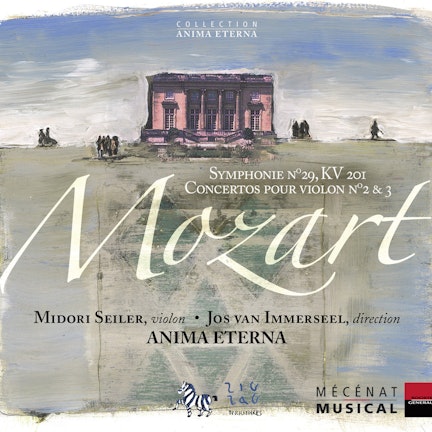
Mozart: Symphonie No. 29, K. 201 - Concertos pour violon Nos. 2 & 3
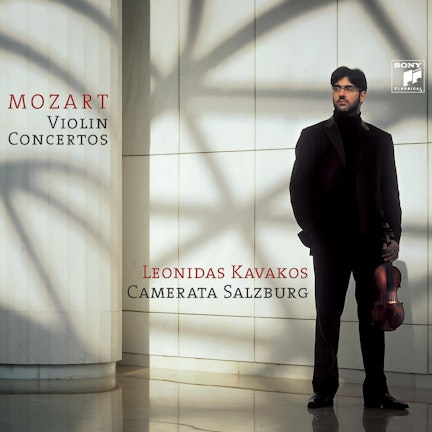
Mozart Violin Concertos
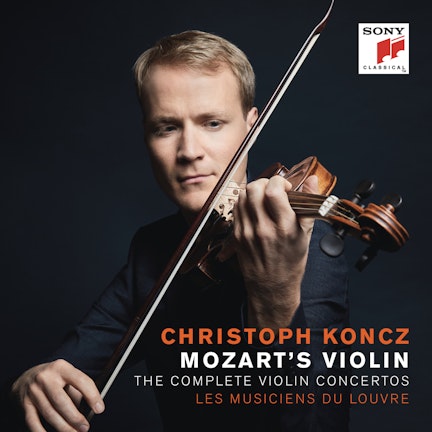
Mozart's Violin - The Complete Violin Concertos
Mozart Violin Concertos G Major, A Major
Mozart: Violin Concertos Nos. 4 & 5 "Turkish"
Eck: Violin Concerto in E-Flat Major; attrib. Mozart: Vioin Concerto in D Major: K. 271
Mozart: Violin Concertos Nos. 1, 2 and 5
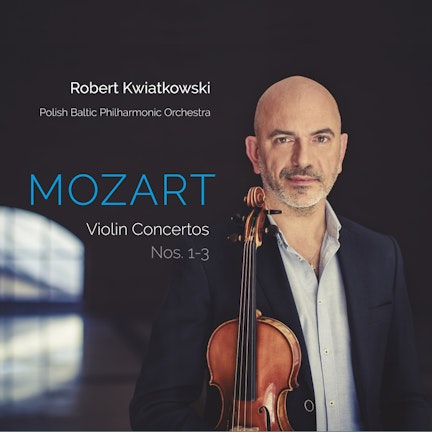
Mozart - Violin Concertos Nos. 1-3
Mozart: Violin Concertos
Mozart: Violin Concertos (Live)
Mozart: Concerto No. 5 in A Major, K. 219 & Concerto No. 4 in D Major, K. 218 (Remastered)