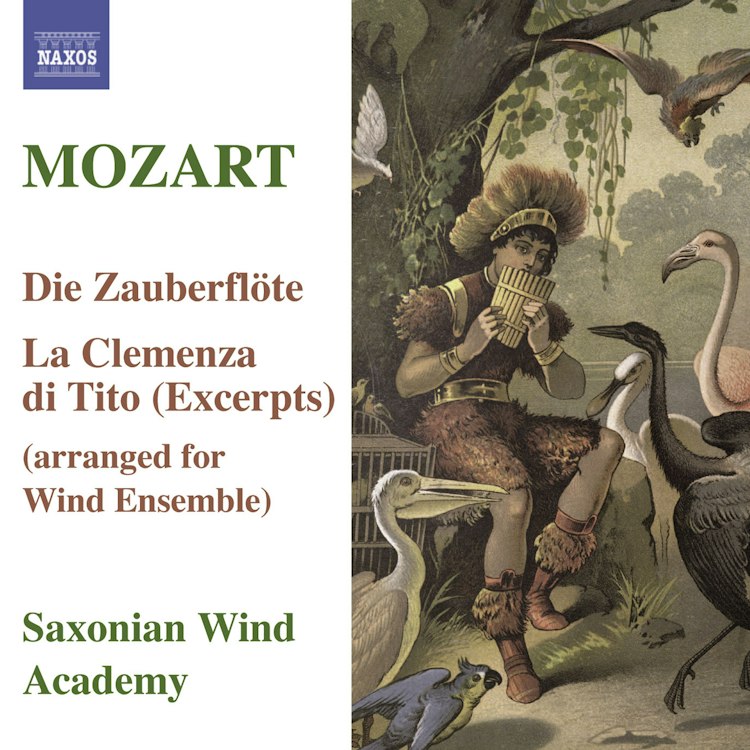
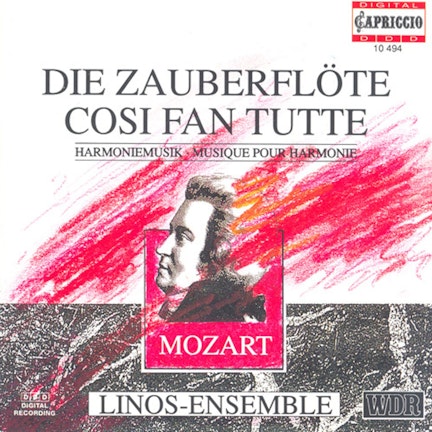
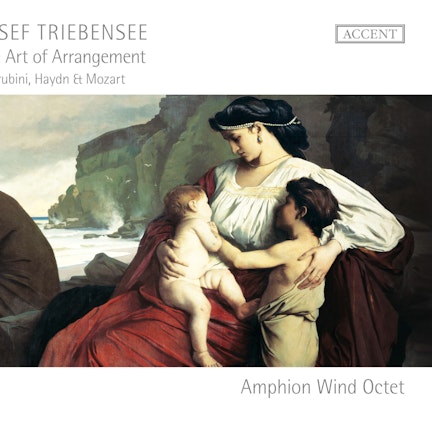
Mozart, W.A.: Magic Flute (The) / La Clemenza Di Tito (Arr. for Wind Ensemble)
6/16/2009, 26 Tracks, 1:11:51
Featuring
Saxonian Woodwind Academy
Wolfgang Amadeus Mozart
Did you know?
1/7
Historical Context
Emperor Joseph II established a professional wind band in Vienna, comprising pairs of oboes, clarinets, horns, and bassoons, drawn from the court orchestra.
Composition History
The arrangements on this album are drawn from Mozart's last two operas, Die Zauberflöte and La Clemenza di Tito, both written and first staged in 1791.
Historical Context
By the second half of the 18th century, Harmoniemusik (music for wind ensemble) was widespread in Central Europe, providing entertainment and accompaniment for dinners.
Composition History
Joseph Heidenreich, who arranged Die Zauberflöte for wind ensemble, advertised his version in the Wiener Zeitung just months after the opera's premiere.
Critical Reception
La Clemenza di Tito was commissioned for Prague to celebrate the coronation of Leopold II, but the Italian-born Empress famously described it as 'German muck'.
Composer Biography
Joseph Triebensee, who arranged La Clemenza di Tito, was an oboist who played in the first performances of Die Zauberflöte and later succeeded Weber as director of the Prague opera.
Composition History
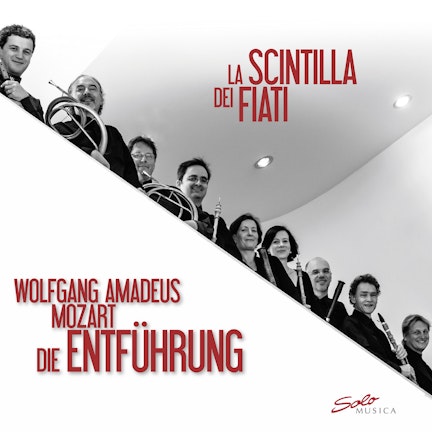
Mozart intended to arrange his opera Die Entführung aus dem Serail for wind instruments himself to prevent others from profiting from it.
You might also enjoy...
Mozart: Serenade in B-Flat Major (Arr. C.F.G. Schwencke) - Dvořák: Serenade in D Minor (Arr. F. Hertl)
Mozart, W.A.: Nozze Di Figaro (Le) (Arr. for Wind Ensemble)
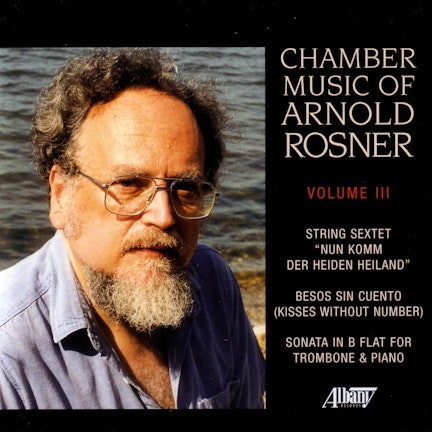
Chamber Music of Arnold rosner, Vol. III
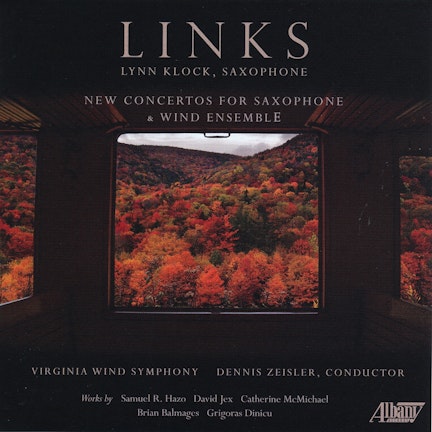
Links: New Concertos for Saxophone and Wind Ensemble
Fürstenthal: Chamber Music, Vol. 1
Myslivecek: Three Wind Octets - Haydn: Partita, Hob.II:F7
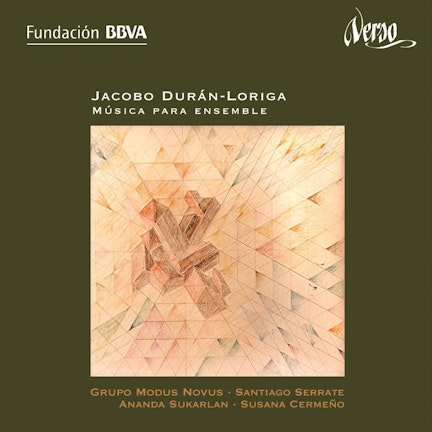
Jacobo Durán-Loriga: Música para ensemble
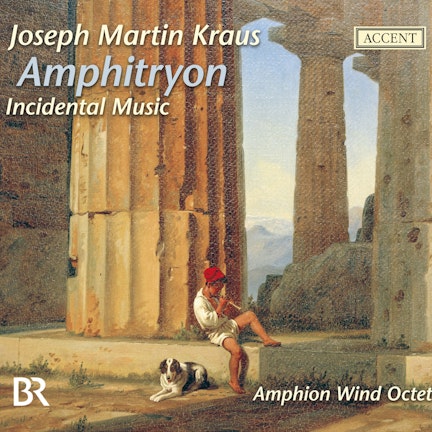
Kraus, J.M.: Amphitryon (Arr. for Wind Octet)
Mozart, W.A.: Zauberflote (Die) / Cosi Fan Tutte (Arr. for Wind Ensemble)
Mozart: Die Entführung aus dem Serail, K. 384 (Arr. for Wind Ensemble)