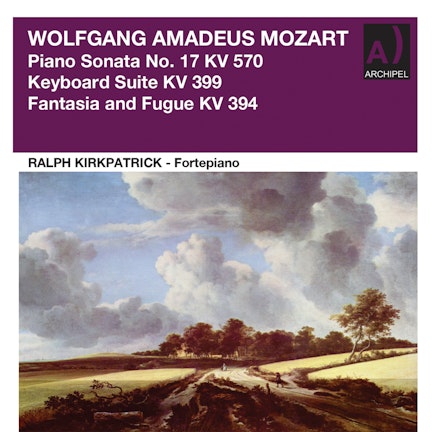
The Prelude and Fugue in C Major, KV 394, was written by Mozart at the request of his future wife, Constanze, who loved the fugues of Handel and Bach.
Compositional Technique
Mozart explicitly instructed that the Fugue in C Major, KV 394, should be played slowly and distinctly, noting that otherwise, the subject would not be clear and the piece would lose its effect.
Composer Biography
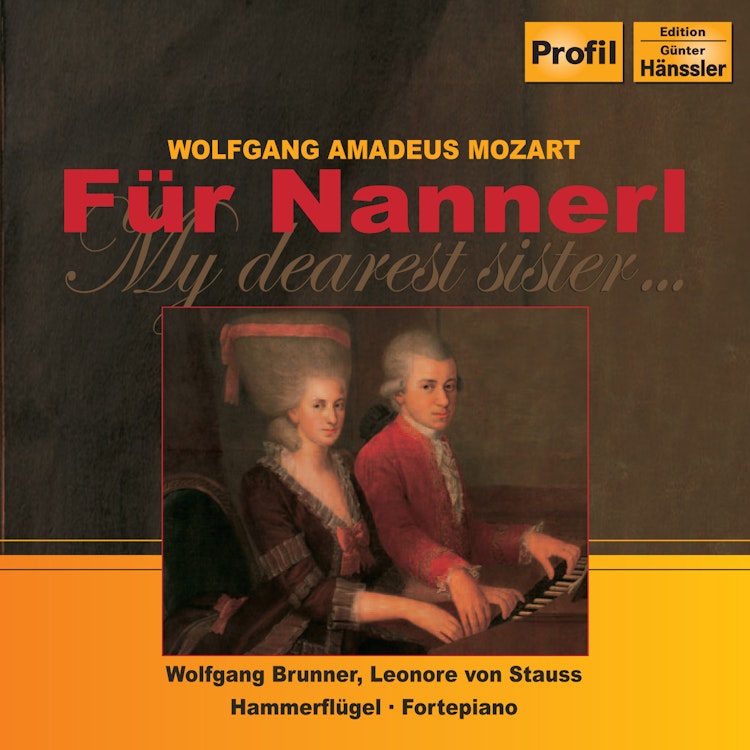
Wolfgang Amadeus Mozart's sister, Maria Anna, known as Nannerl, was five years older and initially more advanced musically, even being considered the better pianist in their early joint concerts.
Compositional Technique
Mozart's father, Leopold, claimed that Wolfgang invented the genre of four-hand piano playing with his Sonata in C Major, KV 19d.
Historical Context
Nannerl's career as a public performer ended with puberty, as adult women on stage were not considered 'decent' in the late 18th century, despite her father proudly calling her one of Europe's most skilled pianists at age 13.
Composer's Artistic Vision
Mozart's education, unlike Nannerl's, included violin and organ, which were considered professional skills for men, and his father also fostered his improvisation and composition abilities, essential for a future Kapellmeister.
Composition History
Mozart's Sonata in C Major, KV 19d, was likely composed for a performance in London in 1765, where he and Nannerl presented a harpsichord built for Frederick the Great.
You might also enjoy...
Clementi, M.: Keyboard Music
Mozart: Pieces for Two Fortepianos
Mozart: Piano Works (Remastered 2022)
Mozart: Piano Works
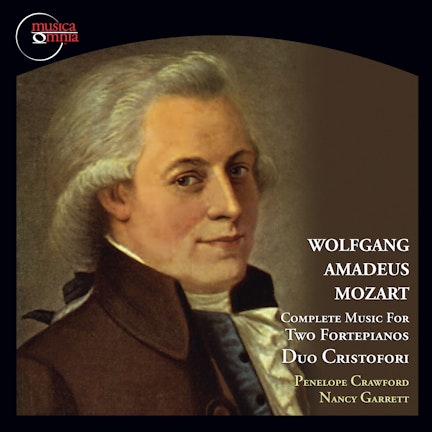
Mozart: Complete Music for 2 Fortepianos
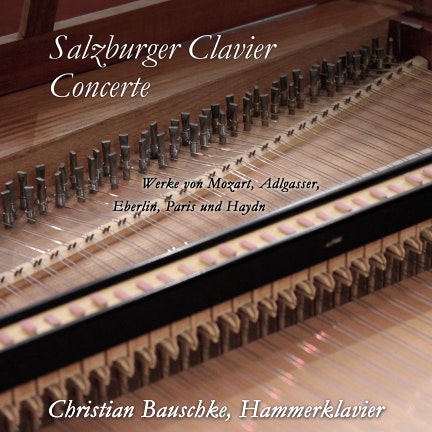
Salzburger Clavier Concerte Vol. 2
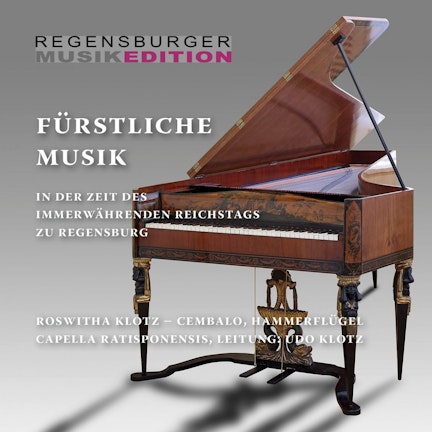
Fürstliche Musik in der Zeit des Immerwährenden Reichstags zu Regensburg
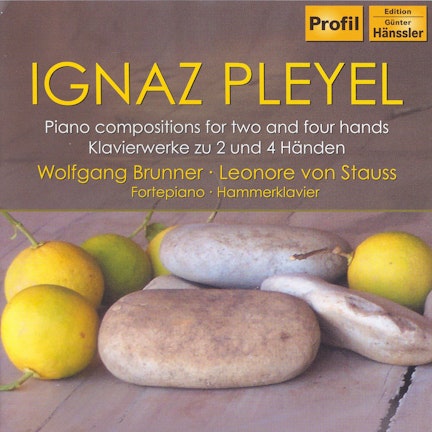
Pleyel: Piano Compositions for 2 and 4 Hands
Pleyel: Piano Compositions for 2 and 4 Hands
Gaul Me Maybe: French Baroque Keyboard Music
Mozart: Sonata for 2 Pianos - Chabrier: 3 Valses romantiques - Debussy: En blanc et noir
Music from America & Abroad for Oboe, Bassoon & Piano
Paulo Bastos: Pequenas histórias para grandes instrumentos