Piazzolla's 'Tango Nuevo' initially caused indignation in Buenos Aires for being too far from tradition, but its success worldwide eventually softened opinions back home.
Interpretation
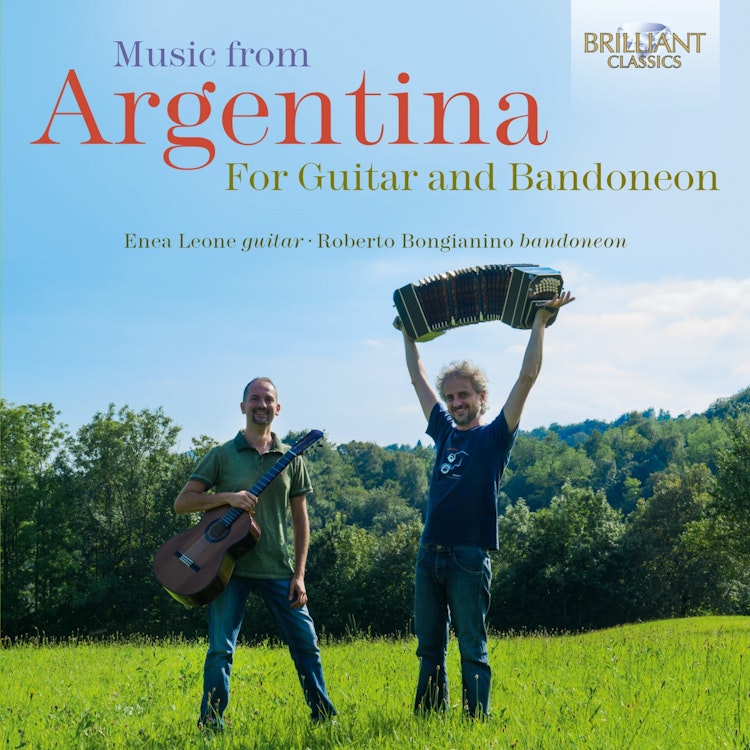
Enea Leone (guitar) and Roberto Bongianino (bandoneon) retrace Tango's evolution on this album, including milonga, tango, and vals, with some pieces close to original scores and others in new arrangements.
Composer's Artistic Vision
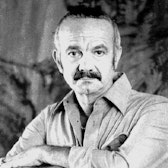
Astor Piazzolla, a brilliant bandoneon player, created 'Tango Nuevo' by blending traditional Tango with jazz elements from the United States and classical music ideas, making it more for listening than dancing.
Cultural Impact
Tango spread globally when wealthy Argentinian youths, who learned the dance in Buenos Aires brothels, introduced it to Parisian high society, leading to a 'Tango mania' across Europe.
Historical Context
The origins of Tango are unclear, but its first tangible traces appeared in Buenos Aires in the late 19th century, played by individual pianists and small groups in brothels and cabarets.
Instruments
The bandoneon, an emblematic Tango instrument, arrived in Buenos Aires in the early 20th century, brought by German immigrants, and quickly replaced other instruments to give Tango its definitive sound.
Historical Context
Between 1860 and 1925, immigrants in Argentina, especially Italians, contributed to Tango's development, incorporating forms like the Cuban habanera, milonga, African candombe, and Italian songs.
You might also enjoy...
Thibault Cauvin Plays Leo Brouwer
Sirkeci Post Office
Thibault Cauvin Plays Leo Brouwer
Aftermath
Atik Valide Complex
Saxofón Contemporáneo de México presenta: Saxofón Electroacústico de México, Vol. 3 (Omar Lopez)
Tell It Like It Is
Gregory Fritze: Tuba Safari
Some Other Time: 60 Years of Monica Zetterlund & Bill Evans - Waltz for Debby
Paliotti: Long Shadows, Guitar Solos and Chamber Works