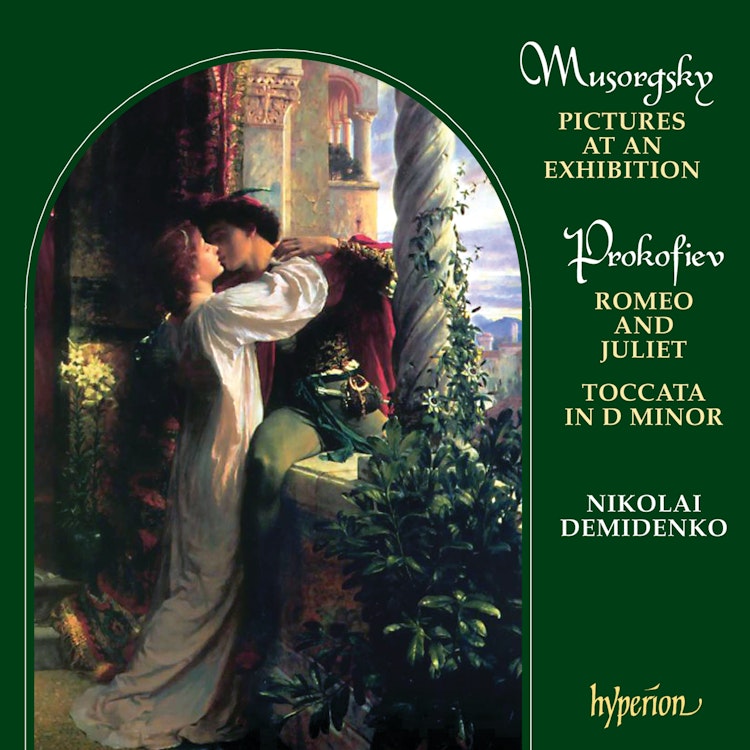
Mussorgsky: Pictures at an Exhibition – Prokofiev: 10 Pieces from Romeo & Juliet
2/16/2024, 27 Tracks, 1:14:57
Featuring
Nikolai Demidenko
Modest Mussorgsky
Sergei Prokofiev
Did you know?
1/7
Compositional Technique
Prokofiev, an exceptionally gifted pianist, used the keyboard as a powerful tool in his creative process, often composing music in a way that allowed for easy piano reductions.
Composition History
Musorgsky's Pictures at an Exhibition was inspired by a posthumous exhibition of works by his friend, the Russian painter and architect Viktor Hartmann, who died suddenly in 1873.
Composer's Artistic Vision
Serge Prokofiev, like other great Russian composers, frequently refashioned his theatre music for concert use, making it more accessible to audiences.
Composition History
Prokofiev's ballet Romeo and Juliet was initially cancelled by the Bolshoi Theatre in 1936 after a political denunciation of other composers' works in Pravda.
Composition History
Prokofiev's Ten Pieces from Romeo and Juliet, Opus 75, is considered an independent piano work, not merely a 'second-hand' score, as indicated by its separate opus number and the composer's own public performances.
Compositional Technique
Almost all the musical material in Musorgsky's Pictures at an Exhibition derives from its opening 'Promenade' theme.
Composer Biography
Modest Musorgsky, composer of Pictures at an Exhibition, was an officer cadet in the Imperial Preobrazhensky Guards and met fellow composer Alexander Borodin there.
You might also enjoy...
Mussorgsky: Pictures at an Exhibition - 10 Pieces from Romeo and Juliet
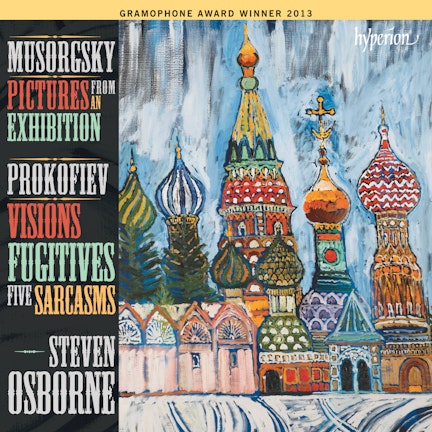
Mussorgsky: Pictures from an Exhibition; Prokofiev: Visions Fugitives & Sarcasms
PETERSON-BERGER: Solitudo - Complete Piano Music (The), Vol. 4
Rachmaninoff: Early Piano Works
Somnia
Mussorsky: Pictures at an Exhibition - Rachmaninoff: 6 Moments musicaux, Op. 16
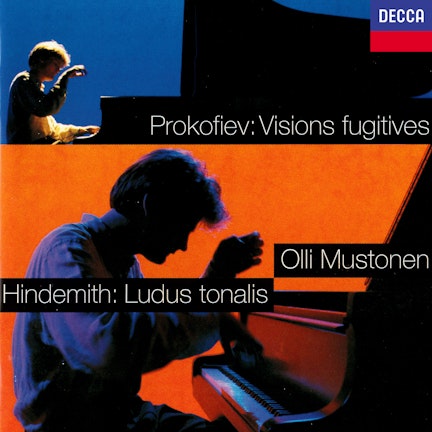
Prokofiev: Visions fugitives / Hindemith: Ludus Tonalis
Glière: Piano Compositions
Rachmaninoff: Piano Works
Mussorgsky: Pictures at an Exhibition/Tchaikovsky: The Seasons