Narodowa Orkiestra Symfoniczna Polskiego Radia NOSPR
Did you know?
1/7
Compositional Technique
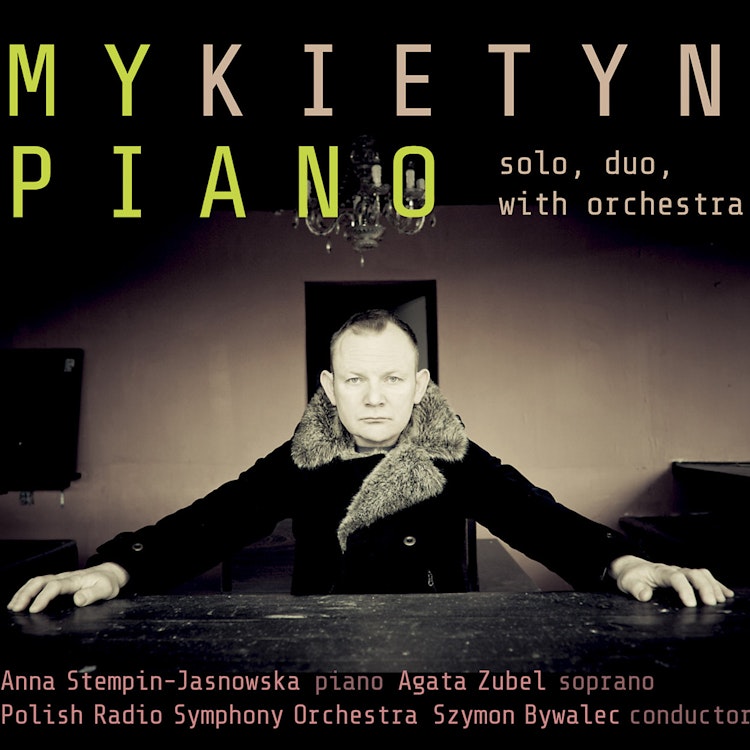
Mykietyn's "Epiphora for piano and tape" uses a mysterious text by Redbad Klijnstra, which contributes to the work's 'metaphysical lining.'
Compositional Technique
Mykietyn's "Piano Concerto" and "Epiphora for piano and tape" are based on the dodecaphonic series, which the composer calls a 'specific form of non-serial serialism.'
Recording & Production
Two of the works on this album, "Epiphora for piano and tape" and "Concerto for piano and orchestra," are world premiere recordings.
Critical Reception
Mykietyn's "Concerto for piano and orchestra" received mixed reactions upon its premiere, with audiences being enthusiastic but critics ambivalent; the composer himself dislikes the work.
Interpretation
The vocal part in Mykietyn's "Shakespeare's Sonnets" is assigned to a male soprano, magnificently rendered on this recording by the beautiful, sultry, and enigmatic voice of Agata Zubel.
Compositional Technique
In "Shakespeare's Sonnets," Mykietyn frequently uses self-quotations and references to his earlier works, which he jokingly attributes to 'economic' reasons.
Composer's Artistic Vision
Paweł Mykietyn's piano music aims to make music audible in a quasi non-sensory, almost abstract way, suited to its intellectual nature, as described by Thomas Mann in "Doctor Faustus."