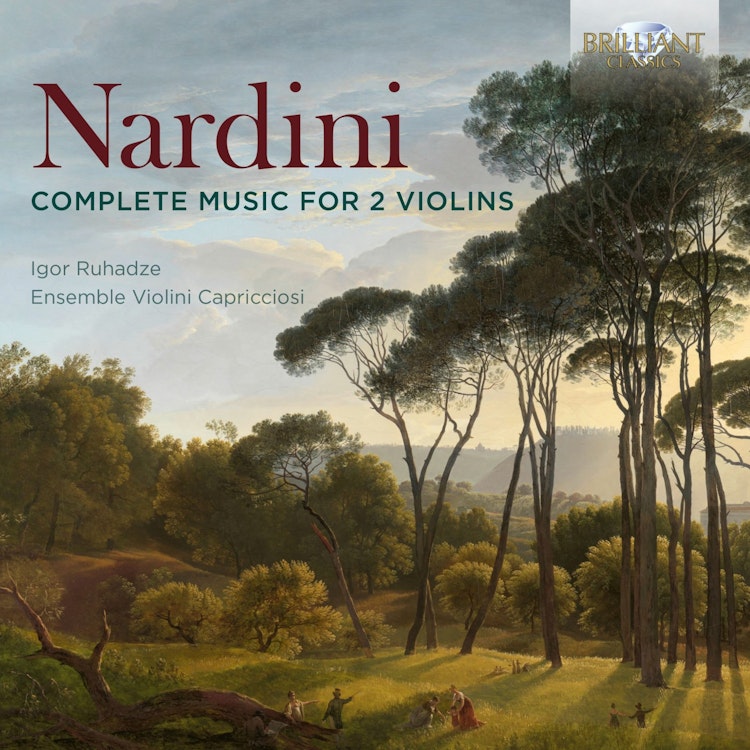
Many 18th-century composers, including Nardini, wrote works for 'Two Flutes and Two Violins' to increase their market by making them playable on either instrument, avoiding low notes, chords, and double stops specific to the violin.
Composer Biography
Leopold Mozart, father of Wolfgang Amadeus Mozart, praised Nardini's violin playing for its beauty, purity, and singing taste.
Instruments
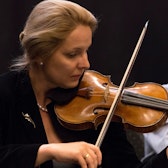
Igor Ruhadze, the baroque violinist, plays on a violin made by Hendrik Jakobs in Amsterdam in 1693, on loan from the NMF.
Composer Biography
Nardini was a student of Giuseppe Tartini, one of the most famous violin pedagogues in Italy at the time, starting at the age of twelve.
Composer's Artistic Vision
Nardini's musical style is described as melodious, not overly complicated, and intended to please and create beauty.
Compositional Technique
One of Nardini's duets, Duetto III, features imitations of animal sounds, including the cuckoo, quail, nightingale, frog, and chicken.
Composer Biography
Pietro Nardini, the composer, was considered one of the greatest violinists in Europe during the second half of the eighteenth century.