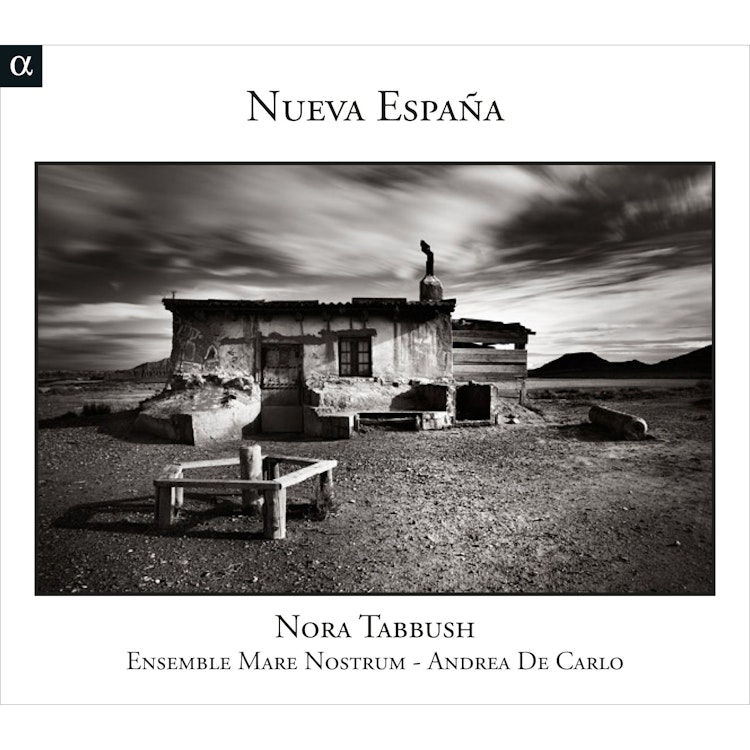
European music arrived in New Spain with Cortés, and indigenous populations quickly adopted it; by the 1530s, Indians in Tlaxcala were already composing and singing polyphonic masses.
Historical Context
New Spain, the largest viceroyalty of the Spanish crown, stretched from California and Texas to Costa Rica, and also administered the Philippine Islands and other Asian territories.
Cultural Impact
Sones disappeared from the Iberian Peninsula in the late 18th century but continued in Spanish America, becoming a distinctive characteristic of the new countries formed after 19th-century independence wars.
Compositional Technique
The main form of Mexican traditional music is 'son', a term referring to both a musical sound and a short musical work, which originated in Spain with Mediterranean influences and appeared in vihuela collections as early as the 16th century.
Historical Context
The viceroyalty of New Spain was created in 1535 and dissolved in 1821 after the Mexican War of Independence.
Cultural Impact
Despite its colonial and conservative nature, New Spain saw a surprising flourishing of arts, including religious architecture, painting, sculpture, and literature, boasting figures like Sor Juana Inés de la Cruz, considered one of the greatest poets born in the Americas.
Compositional Technique
Sones are typically based on recurrent rhythmic and harmonic patterns, creating sung dances or danced songs with musical, poetic, and choreographic aspects.
You might also enjoy...
Sparks: Miniature Works for Orchestra
Paul Freeman Introduces, Vol. 8
Joanna Estelle: Emergence
Music from the Fleisher Collection, Vol. 3
American Originals
Blanc
Tangón
Landscapes
Alphorn & Nordic Winds
Les Moulins de mon Coeur (The Windmills of your Mind)
Ravel, Hindemith, Castiglioni & Schoenberg: La nuova musica, Vol. 5