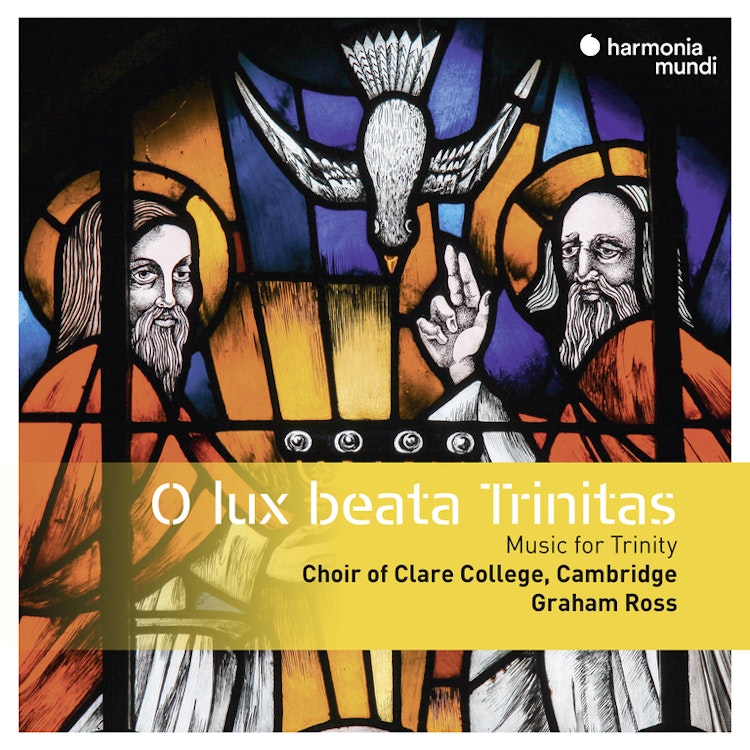
This album includes world première recordings of Graham Ross's "Duo Seraphim" and Joshua Pacey's "Tres sunt."
Composition History
The Cherubic Hymn, a well-known text in the Orthodox church, was added to the Liturgy of St. John Chrysostom by order of Emperor Justinian near the end of the sixth century.
Composer's Artistic Vision
The album focuses on the Holy Trinity, reflected in the music of both Russian and British traditions, and is divided into five sections, each starting with a Russian Hymn of the Cherubim.
Album & Artwork
This album, "O lux beata Trinitas Music for Trinity," concludes a series of recordings for the church year that began in 2013 with "Music for Advent."
Composer Biography
Mikhail Glinka, whose setting of the Cherubic Hymn is featured, is known as the founding father of the nineteenth-century Russian musical tradition.
Historical Context
Trinity Sunday, the final feast day of the liturgical calendar, was officially recognized in the Western Church by Pope John XXII in 1334.
Compositional Technique
In the Orthodox church, instruments were not allowed, leading to many a cappella settings of texts like the Cherubic Hymn.
You might also enjoy...
Arise My Love - Music for the Break of Day
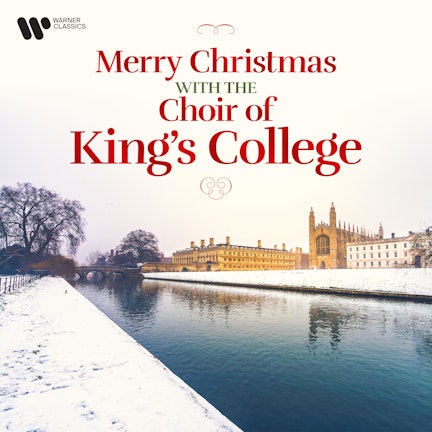
Merry Christmas with the Choir of King's College
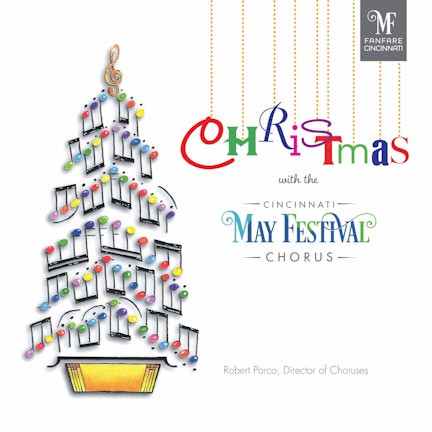
Christmas with the Cincinnati May Festival Chorus
The Call: More Choral Classics from St John's
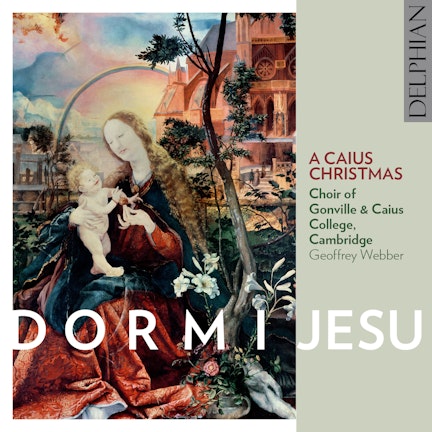
Dormi Jesu: A Caius Christmas
Advent Live
Karl Jenkins: Motets
Joy to the World - An American Christmas
Vaughan Williams, Elgar & Others: British Sacred Choral Works
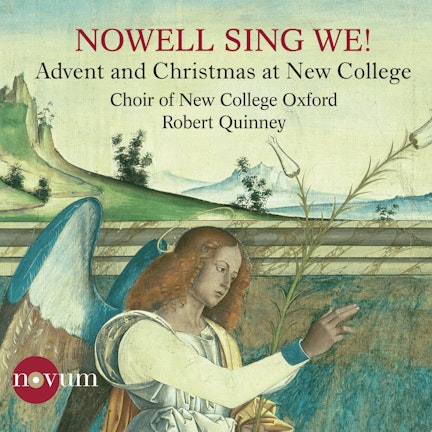
Nowell, Sing We!: Advent & Christmas at New College
Christmas Night - Favorite Hymns and Carols (Live)