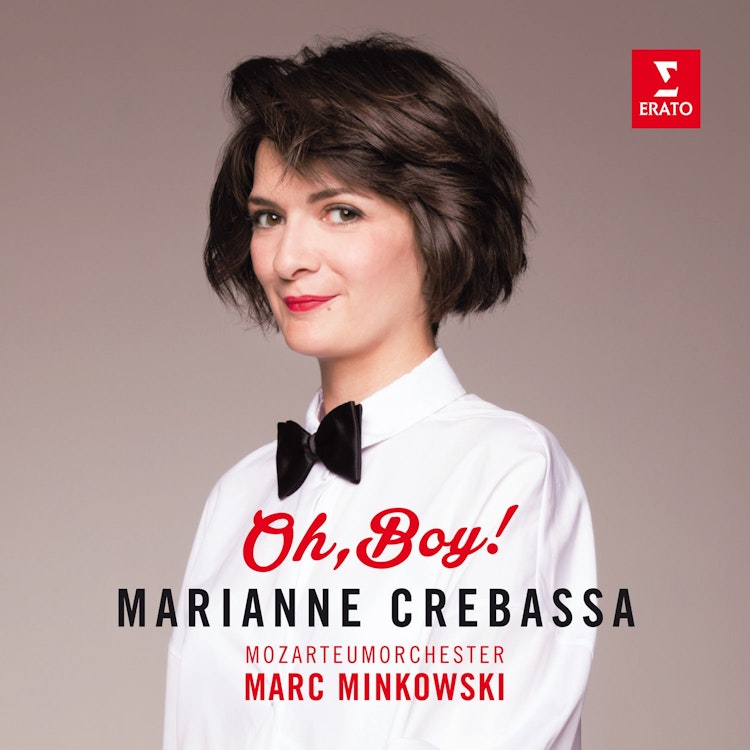
The album focuses on operatic 'travesty roles' where female singers portray young male characters, symbolizing youth and charm.
Composer Biography
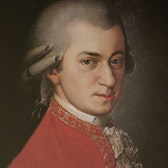
Wolfgang Amadé Mozart returned to writing for the castrato voice in his opera La clemenza di Tito, which premiered shortly before his death in 1791.
Historical Context
The castrato voice, now extinct, is today often replaced by mezzo-sopranos or countertenors in performances of older works.
Album & Artwork
The album is dedicated to Marianne Crebassa's parents, Simone and Bernard Crebassa, who always believed in her.
Historical Context
In 18th-century opera seria, the castrato, a male singer who underwent an operation before puberty to prevent his voice from breaking, was the star, known for his powerful, flexible, high voice.
Compositional Technique
The mezzo-soprano voice is particularly suited for these 'travesty roles' due to its warm, sensual tone and tonal ambiguity.
Recording & Production
This album was recorded in the Großer Saal of the Stiftung Mozarteum Salzburg in January 2016.
You might also enjoy...
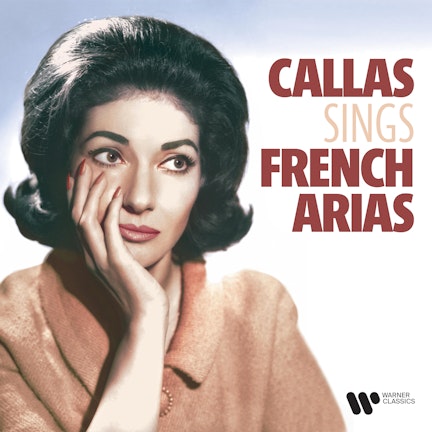
Maria Callas Sings French Arias by Bizet, Saint-Saëns, Gounod, Massenet, Delibes...
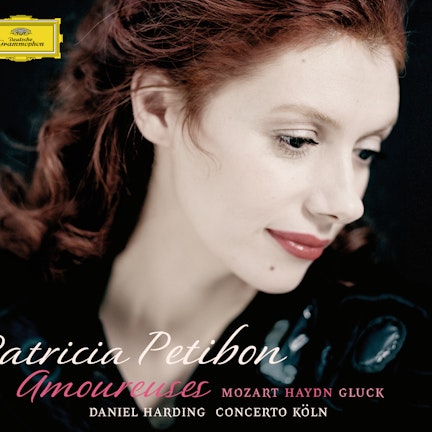
"Amoureuses" Mozart / Haydn / Gluck
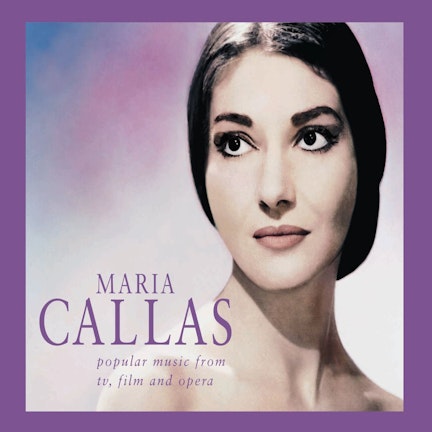
Maria Callas - Popular Music from TV, Film and Opera
Montserrat Caballé Sings Verdi
Duets
La Divina 2
Opera Arias (Rigoletto, La Bohème, Tosca, Norma, Otello, etc.)
Opera Arias (Rigoletto, La Bohème, Tosca, Norma, Otello, etc.)