Robert Johnson, a lutenist at the court of James I and Prince Henry's lute teacher, composed the original music for Shakespeare's play The Tempest, earning him the sobriquet 'Shakespeare's lutenist'.
Composer Biography
Orlando Gibbons, a potential pupil of Byrd, had a 'dream career' as a chorister, member of the Chapel Royal, chapel organist, Doctor of Music, and organist at Westminster Abbey, which was abruptly ended by his death.
Compositional Technique
The 'In nomine' fantasy, a specifically English form of composition, features a plainchant melody in long note values in one part, with other parts weaving around it in imitative adornment.
Composition History
In 1575, William Byrd and his teacher Thomas Tallis were granted the sole privilege by Elizabeth I to print music in England, which helped disseminate many of Byrd's works.
Composer's Artistic Vision
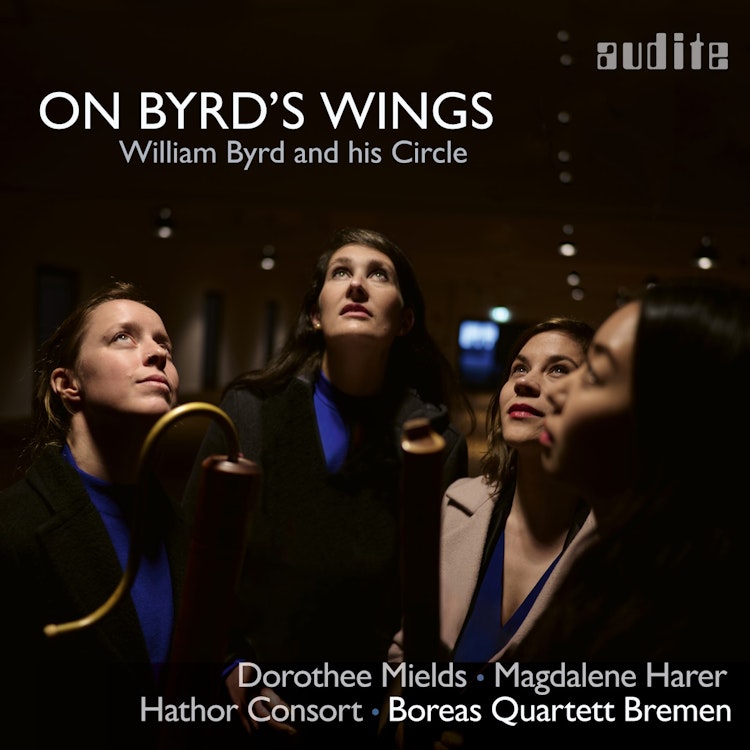
William Byrd, a pre-eminent musical personality of the Tudor period, composed works for all established genres in England at the time, including Catholic and Protestant sacred works, madrigals, keyboard pieces, consort music, and consort songs.
Compositional Technique
The English consort, a specialty of the island kingdom, significantly advanced the development of independent ensemble music in the latter 16th century, existing in 'broken consort' (mixed instruments) and 'whole consort' (single family instruments) formations.
Instruments
In well-off English homes, it was fashionable to own a 'chest' of viols, usually six instruments, for domestic music-making.
You might also enjoy...
Cosmography of Polyphony
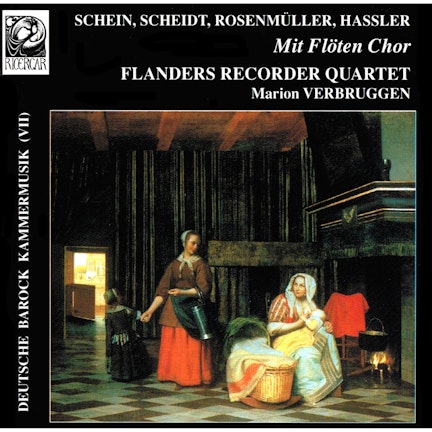
Deutsche Barock Kammermusik VII: Mit Flöten Chor
Back Before Bach: Musical Journeys
Cavazzoni: Complete Organ Works
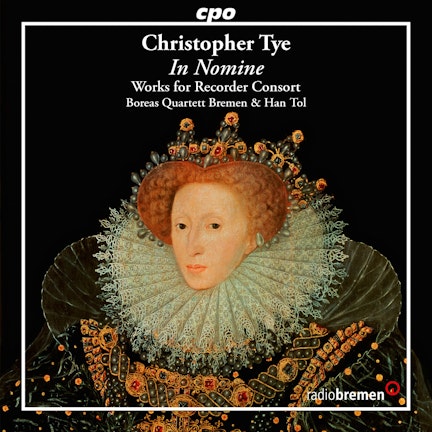
Tye: In nomine – Works for Recorder Consort
Early English Music
Italian Recorder Music
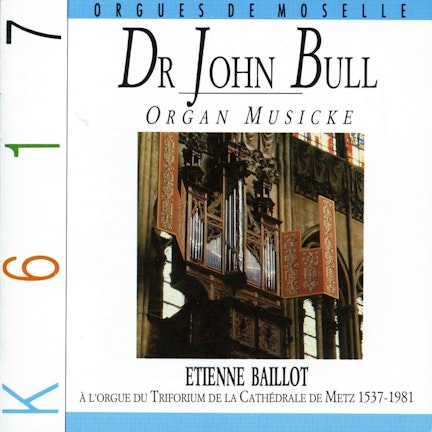
Bull: Organ Musicke
Bertali: Sonatas
La Spagna - Music at the Spanish Court
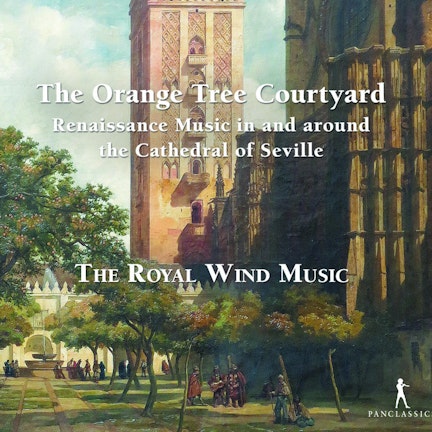
The Orange Tree Courtyard - Renaissance Music in and around the Cathedral of Seville