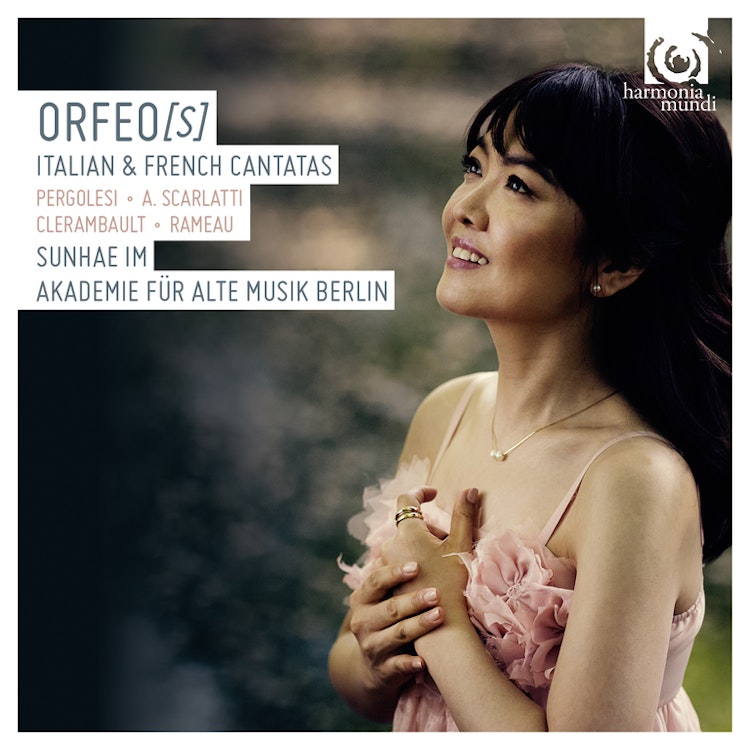
Clérambault's cantata Orphée from his 1710 collection combines harmonically dense recitatives with various aria forms, including a French air for Orpheus' lament and an Italian da capo aria for his decision to enter Hades.
Composer Biography
Louis-Nicolas Clérambault, born in Paris in 1676, was a royal musician's son who became a renowned organist and composer of sacred works, but was particularly admired for his chamber cantatas combining French and Italian styles.
Composer Biography
Giovanni Battista Pergolesi, born in 1710, died at just 26 from tuberculosis but quickly became a legendary figure, with his cantatas published posthumously and praised by contemporaries like Charles de Brosses.
Compositional Technique
Alessandro Scarlatti's cantata L'Orfeo features five arias connected by harmonically daring recitatives, spanning a wide harmonic arc from B flat major to F sharp minor, unified by an E minor tonal frame.
Historical Context
The Orpheus myth, an allegory of music's power, was a favored theme for the first operas in the early 17th century, offering many possibilities for musical depiction.
Composer Biography
Alessandro Scarlatti, born in Palermo in 1660, was a prolific composer with over 100 operas and 800 cantatas, and his unique style was known as the 'maniera Scarlatti'.
Composer Biography
Jean-Philippe Rameau, born in Dijon in 1683, only achieved fame as an opera composer around age fifty, having previously composed harpsichord pieces and chamber music.
You might also enjoy...
Porpora: L'amato nome
Foolish Heart: Madrigals for Three Sopranos
Mi palpita il cor: Baroque Passions
Telemann & C.P.E. Bach: Bürgerkapitänsmusiken
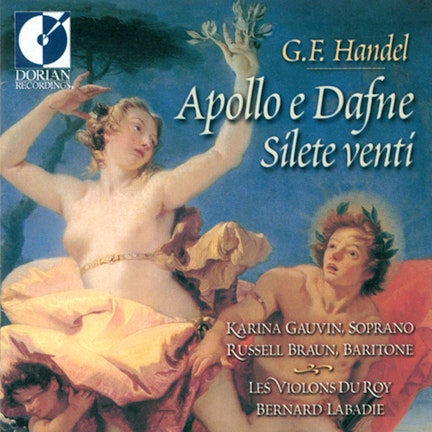
Handel, G.F.: Apollo E Dafne [Opera] / Silete Venti
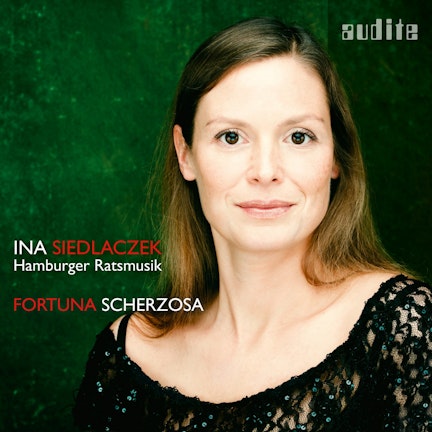
Fortuna Scherzosa
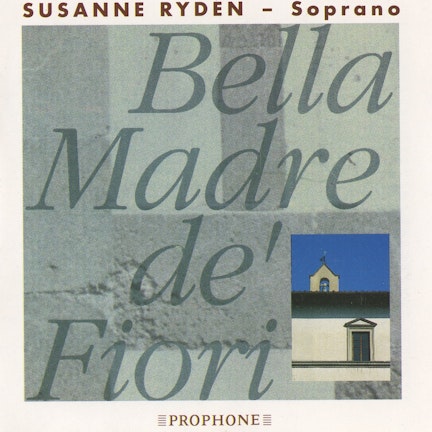
Bella Madre de' Fiori
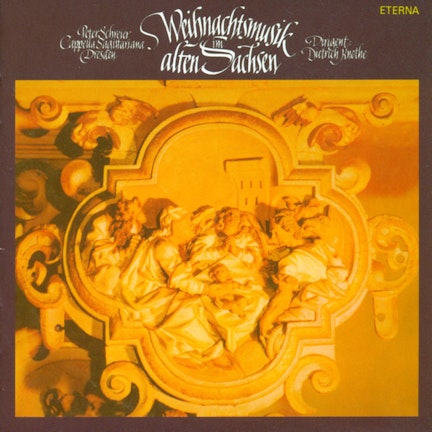
Christmas Music In Saxony Past
Emma Kirkby - A Portrait
Prima d’esservi infedele. Alessandro Scarlatti: Cantatas for Solo Voice with Violins
Schoenberg: Erwartung, Pierrot Lunaire, Lied der Waldtaube from Gurrelieder