Paganini had his violin fitted with a flatter bridge than usual to make it easier to play on three or four strings simultaneously.
Critical Reception
For about a century after Paganini's death, his Caprices were often misunderstood, with many violinists and composers adding piano accompaniments or making radical changes to them.
Compositional Technique
The Caprices incorporate numerous technical challenges for the violin, such as double, triple, and quadruple stops, various staccato techniques, double trills, and wide interval stretches.
Cultural Impact
The 24th Caprice, a set of 11 variations, is the most famous and has been borrowed by many other composers, including Brahms, Rachmaninov, Blacher, and Lutosławski.
Composition History
Paganini's 24 Caprices were influenced by Pietro Locatelli's L'arte del violino, which also included 24 solo Capricci, and Paganini even quoted Locatelli's Seventh Caprice in his First Caprice.
Compositional Technique
Paganini's Caprices are more than études; while études typically address a single problem, Paganini often incorporates three or four challenges into each Caprice.
Composition History
Paganini was secretive about his music-making and compositions, guarding his scores from prying eyes, so little is known about the background of his 24 Caprices.
You might also enjoy...
Sauret: 24 Études Caprices, Vol. 1
Recuerdos - Recuerdos de la Alhambra (Arr. Ricci)
Paganini: Capricci, Op. 1
Ysaÿe: 6 Sonatas for Violin Solo, Op. 27 / Sonata No. 2 in A Minor: I. Obsession. Prèlude
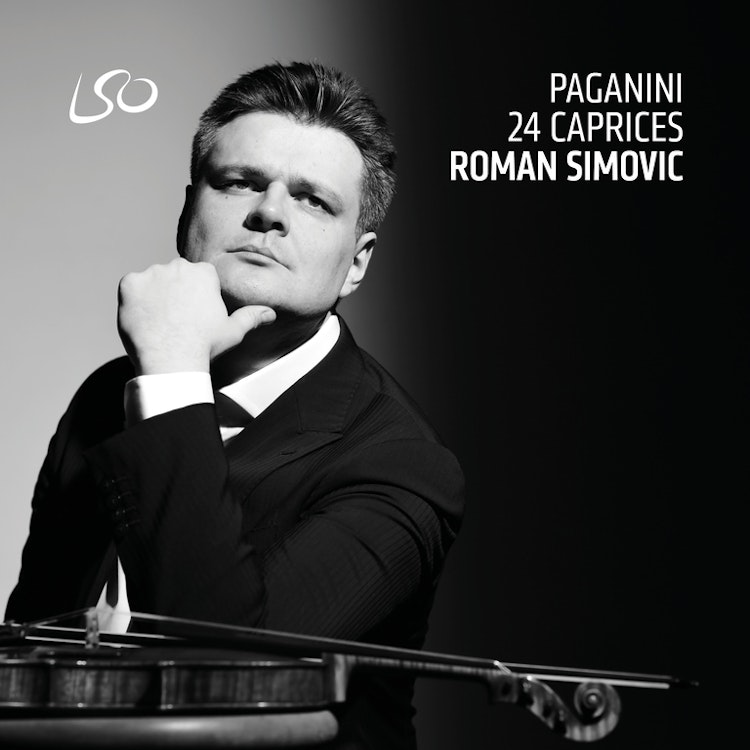
Paganini: 24 Caprices for Solo Violin, Op. 1
Reger: Violin Sonatas, Op. 42
Ysaÿe: 6 Sonatas for Solo Violin, Op. 27
Violette, A.: Sonata for Unaccompanied Violin
Paganini: 24 Caprices - Live in Tokyo & Studio version