In 1555, Palestrina was forced to leave his position in the pope's official musical chapel due to a strict enforcement of the celibacy rule, as he was married.
Composer Biography
After personal tragedies including the deaths of his brother, two sons, and first wife, Palestrina remarried a wealthy widow, which freed him from financial worries for the first time.
Interpretation
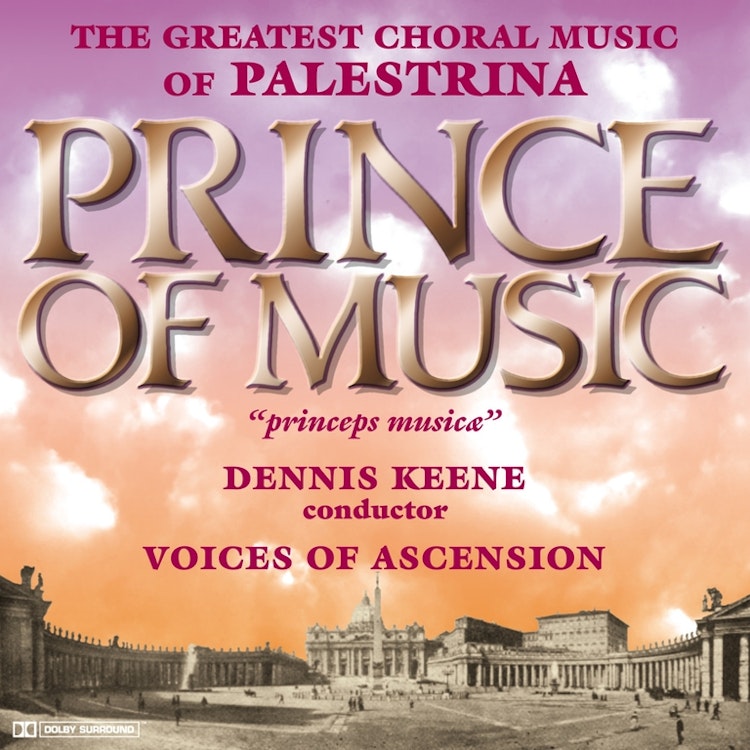
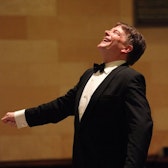
The conductor, Dennis Keene, interprets the Gloria and Credo of the Missa Papæ Marcelli with a livelier rhythm than is typically heard in other recordings or performances.
Composer's Artistic Vision
Palestrina's Missa Papæ Marcelli was supposedly written to demonstrate that complex counterpoint could coexist with clear text setting, a concern during the Roman Catholic Counter-Reformation.
Compositional Technique
In the Gloria and Credo of the Missa Papæ Marcelli, Palestrina used a technique of grouping voice parts and contrasting them, which was ahead of its time and pointed towards the Venetian school's style.
Composition History
Palestrina's first collection of masses was the very first ever published in Rome, with the title page showing him presenting the score to the Pope.
Composer Biography
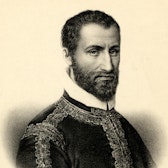
Giovanni Pierluigi da Palestrina, the composer, was known as the 'Prince of Music' and was buried in St. Peter's in Rome.
You might also enjoy...
Palestrina Vol. 8
Palestrina: Glory of Palestrina (The)
Palestrina: Masses and Motets
Palestrina: Veni Sponsa Christi
Palestrina - Music for Inner Peace
Palestrina: Music for Advent & Christmas
Palestrina - Twilight of the Italian Renaissance
Palestrina: Missa Aeterna Christi munera - Missa Brevis