Pärt's tintinnabuli style has roots in medieval music and Gregorian chant, using a minimum of notes in some parts while others play more elaborate melodic patterns.
Composer Biography
Arvo Pärt, born in Paide, Estonia, in 1935, initially wrote in a neo-classical style before experimenting with serialism in the early 1960s, a practice disapproved by Soviet authorities.
Compositional Technique
Pärt's Third Symphony, dedicated to Neeme Järvi, includes pointers to the tintinnabular style that emerged five years later and reflects his study of early music.
Composition History
Pärt's work Credo, which takes Bach's first Prelude and transforms it, led to years of creative silence for the composer due to its explicitly Christian standpoint.
Composition History
The title Tabula rasa, meaning 'clean slate,' reflects Arvo Pärt's creative rebirth, and the work was premiered in Tallinn in 1977.
Composer's Artistic Vision
Arvo Pärt believes that music's highest value lies beyond its tone color and must exist independently of any instrument, with mystery present.
Compositional Technique
Fratres is one of the first works by Arvo Pärt in his tintinnabuli style, a highly individual musical language developed after a long period of reflection.
You might also enjoy...
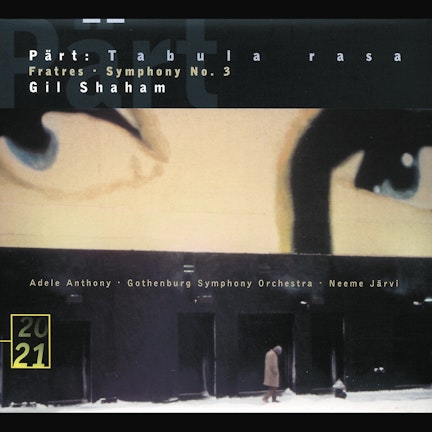
Pärt: Tabula rasa; Fratres; Symphony No.3
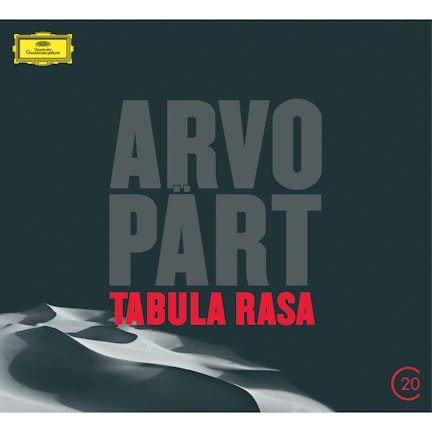
Pärt: Tabula Rasa; Fratres; Symphony No. 3
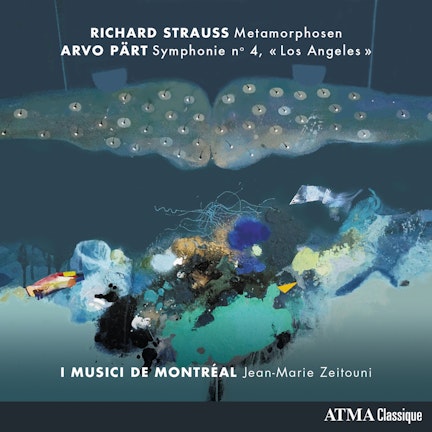
Richard Strauss Metamorphosen / Arvo Pärt Symphonie No 4, "Los Angeles”
Tüür: Illuminatio, Whistles and Whispers from Uluru & Symphony No. 8