Wranitzky was highly regarded by Haydn and Beethoven, who invited him to conduct the first performances of Haydn's Die Schöpfung and Beethoven's Fifth Symphony.
Composition History
Wranitzky's Grande Sinfonie caractéristique pour la paix avec la République française, Op. 31, was initially banned from public performance by the emperor, though his wife later arranged a private performance.
Composer's Artistic Vision
Many of Wranitzky's works on this album deal with 'extra-musical concerns' and are related to the French Revolutionary and Napoleonic Wars, reflecting the political climate of his time.
Compositional Technique
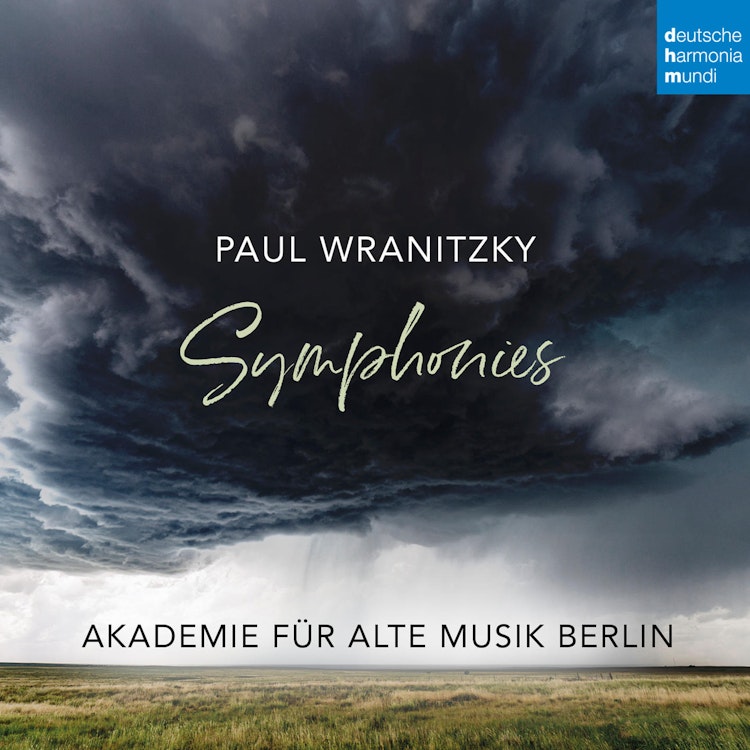
The Symphony in D minor 'La Tempesta' uses a wind machine in its third movement and a bass drum in the final movement to depict a storm, with detailed performance markings for thunder.
Composer Biography
Paul Wranitzky, born in Moravia in 1756, was active in Vienna from 1776 and made a name for himself with stage works, symphonies, and chamber music.
Composer Biography
Wranitzky claimed to be a student of the celebrated Haydn and may have studied with Joseph Martin Kraus, with whom he had close contact in Vienna.
You might also enjoy...
Crowning Glory - The Musical Heritage of the Netherlands