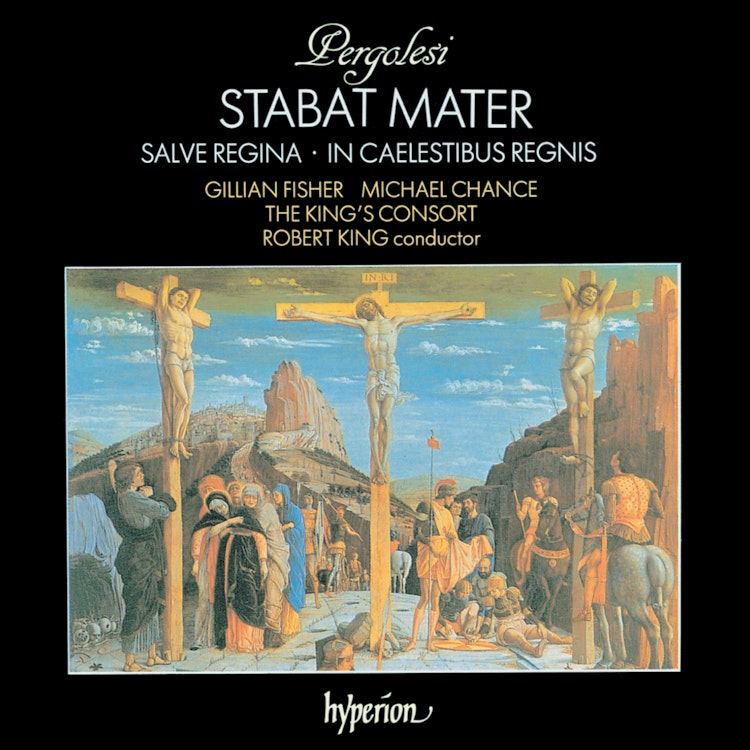
Of the 148 works in a 1939-1942 edition of Pergolesi's Opera omnia, only 30 are considered genuine, with many others misattributed or questionable.
Composition History
Pergolesi wrote the Stabat mater during his final months at a Franciscan monastery, possibly as a replacement for Alessandro Scarlatti's Stabat mater for a Neapolitan church.
Historical Context
Pergolesi, like Mozart, was buried in a common pit, and some writers have drawn parallels between their sad circumstances and their final works.
Critical Reception
The Stabat mater became the most frequently printed single work in the 18th century, with Rousseau calling its opening bars 'the most perfect and most touching to have come from the pen of any musician'.
Compositional Technique
Pergolesi's Stabat mater features an extraordinary harmonic language, including a remarkable grasp of chromaticism and distinctly operatic music despite its somber text.
Composer Biography
Giovanni Battista Pergolesi achieved only modest success during his short lifetime, dying at the age of 26.
Cultural Impact
Pergolesi's opera La serva padrona was so popular that its 1752 Paris run caused the Querelle des Bouffons, a pamphlet war between supporters of traditional French opera and fans of Italian opera buffa.
You might also enjoy...
Deep River
Meder: Sacred Cantatas
The Last Recording - Bartók: Cantata Profana / Kodály: Psalmus Hungaricus / Weiner: Serenade
Leopold I: Sacred Works
De Lalande: Petits Motets
The Brodsky Album
Leonardo Leo: Sacred Works
Schubert / De La Lance / Boccherini: Mein Herz von Lieb entzündet