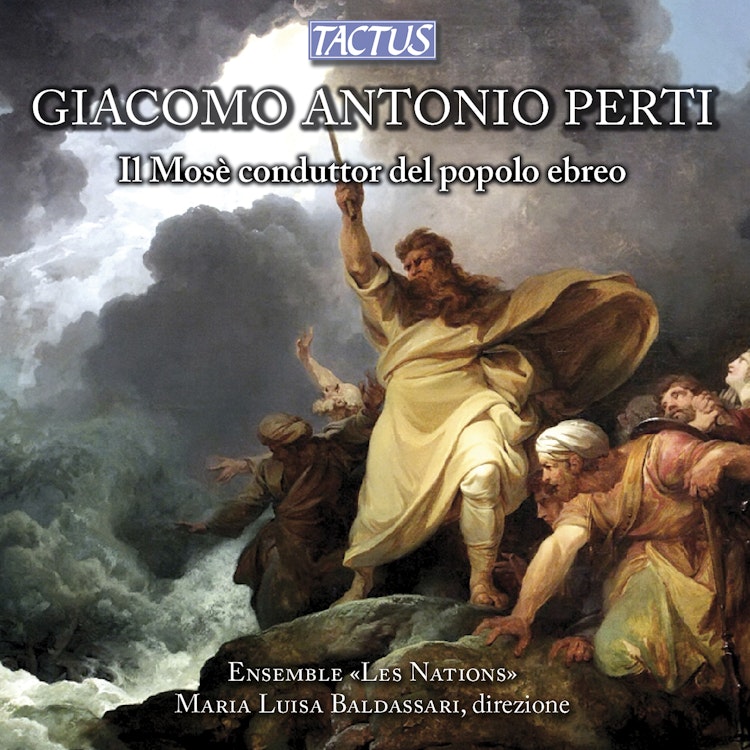
Perti's oratorio, Il Mosè conduttor del popolo ebreo, is based on Chapter 14 of the biblical book of Exodus, narrating the Israelites' escape from Egypt and the parting of the Red Sea.
Composition History
Giovanni Battista Giardini, secretary to Duke Francesco II, created a cycle of eight librettos based on the life of Moses, which were then set to music by eminent composers.
Composer's Artistic Vision
The librettist Giardini drew a parallel between the biblical prophet Moses and Duke Francesco II, suggesting that Moses should learn from the Duke's leadership.
Recording & Production
This recording is part of 'La Compagnia dell'Oratorio,' a special project dedicated to studying, performing, and recording Baroque oratorios by composers from the Emilia-Romagna region.
Historical Context
Francesco II d'Este, the Duke of Modena, was a passionate patron of oratorios, commissioning or collecting about a hundred scores from leading Italian composers during his 18-year reign.
Composer Biography
Giacomo Antonio Perti, the composer of this oratorio, was only 24 when he wrote it but went on to have a long and distinguished career, serving as Kapellmeister and being admired by emperors and popes.
Compositional Technique
Perti's oratorio features a prominent trumpet, used in a furious aria for Pharaoh, a military-style aria for the General, and a virtuosic piece for the Narrator.
You might also enjoy...
Barroco Español Vol. IV / Los Elementos - Secular Cantatas
Literes: Lo Elementos Opéra Harmonique Dans Le Style Espagnol
Fran den oforanderliga bryggan
Schieferdecker: Geistliche Konzerte
Schieferdecker: Geistliche Konzerte
Gold Are My Flowers/A Civil War Song Cycle
Great Britain Triumphant!
De Nebra: Esta Dulzura Amable - Sacred cantatas
Sellitto: Drusilla e Strabone - Intermezzi a due voci