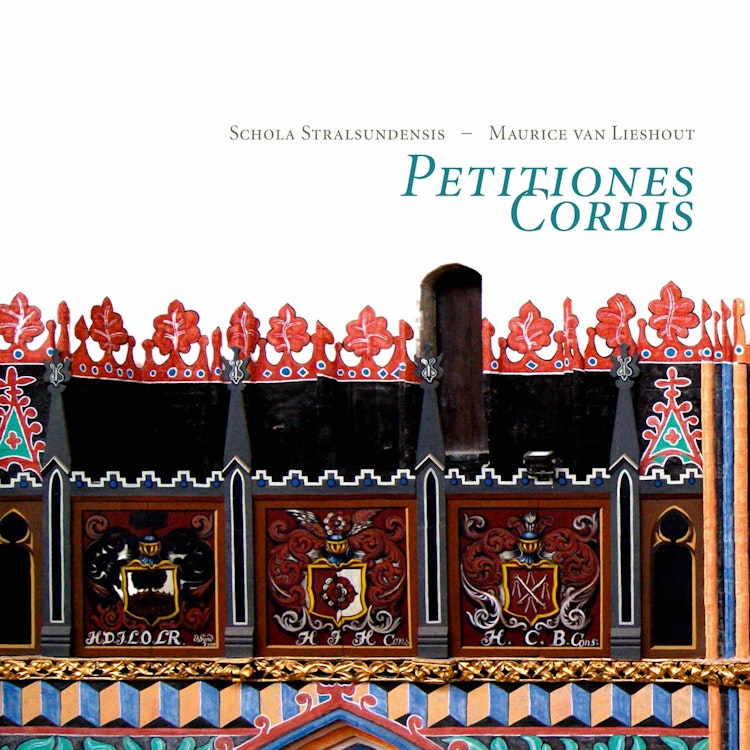
The album's music comes from Manuscript 229, a collection of over 100 sacred motets from 1585, discovered in the Stralsund municipal archives.
Cultural Impact
Martin Luther's statement that "next to theology, there is no art that could be put on the same level with music... [music] alone produces... peace, and a joyful heart" was widely quoted until the 18th century.
Instruments
The ensemble uses 'Stimmwercke' (consorts) of instruments, which are families of instruments built in different sizes from treble to bass, a common practice in the 16th and early 17th centuries.
Composition History
Heinrich Isaac's motet "Christus filius Dei," originally honoring Emperor Maximilian I, appears in Manuscript 229 in a "Protestant" version with text radically modified to remove references to the Virgin Mary or political subjects.
Compositional Technique
The motet "O pulcherrima inter mulieres" by Jakob Meiland, a composer who died in 1577, creates the illusion of a double choir through its complex arrangement of six voices.
Historical Context
Martin Luther, the German theologian and a key figure in the Protestant Reformation, was a strong advocate for instrumental music, unlike other reformers like Calvin or Zwingli.
Interpretation
Schola Stralsundensis, the ensemble on this recording, aims to revive the Renaissance tradition of blending voices and instruments, as many chapels of the period included both.
You might also enjoy...
Cabezón: Obras de Musica
Cornago: Missa de la mapa mundi - Secular Music of 15th Century Spain
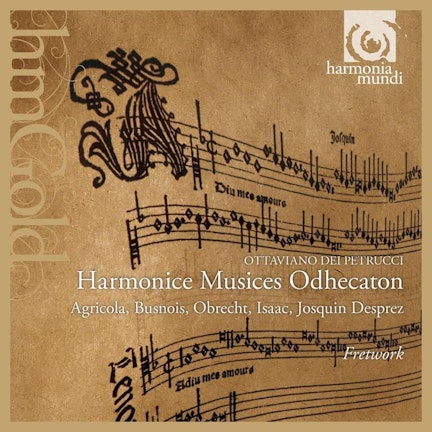
Ottaviano dei Petrucci: Harmonice Musices Odhecaton
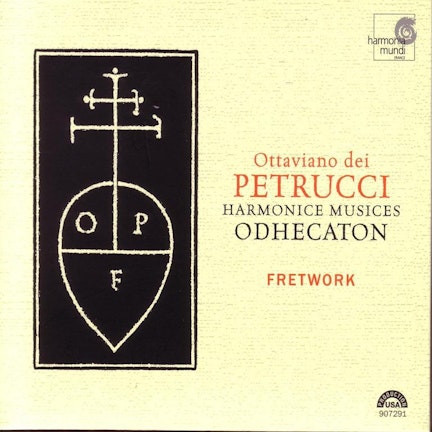
Ottaviano dei Petrucci: Harmonice musices odhecaton
Sorensen: Shadowland
Musique Pour Mazarin!
Vocal Music (Medieval) - Bodel, J. / Bretel, J. / Adam De La Halle / Moniot D'Arras (The Songs of Arras) (New Orleans Musica Da Camera)