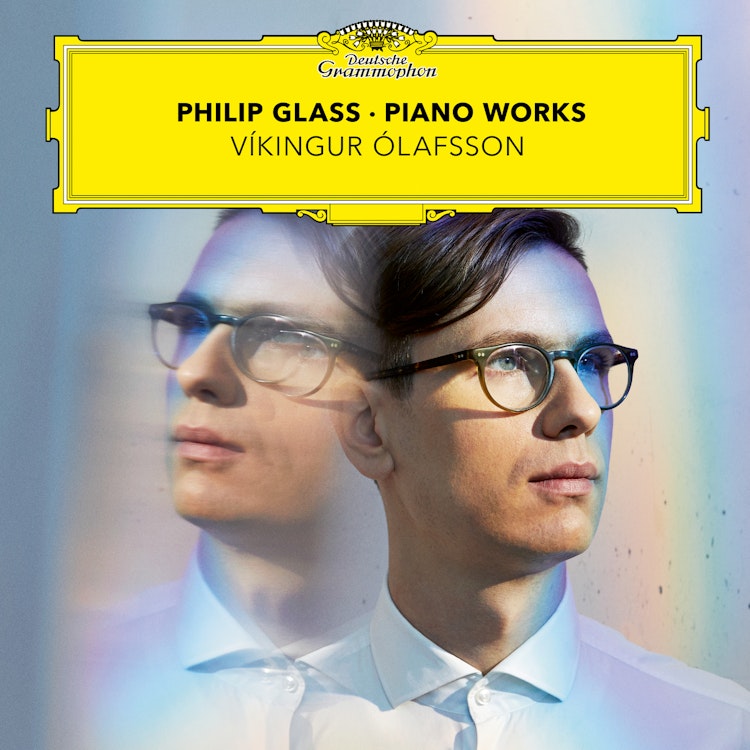
The final Étude, No. 20, is described by Philip Glass as an unexpected piece where he 'found myself out in space,' defying gravity and floating between tonalities.
Compositional Technique
The Études by Philip Glass, while appearing repetitive, create a sense of 'rebirth' and spiraling narratives, meaning the music is never heard the same way twice as time progresses.
Interpretation
Pianist Víkingur Ólafsson notes that playing Philip Glass's music for and with the composer emphasizes that music is a living, ever-changing environment, not a static monument.
Composer Biography
Philip Glass, the composer, maintained a strict daily routine of composing for five hours, a habit he developed while working as a cab driver in New York into his forties.
Composer's Artistic Vision
Philip Glass views music as a tangible 'place,' as real as any physical location, shaping his artistic philosophy.
Composition History
Philip Glass began composing his Études in his late fifties to enhance his own piano skills.
Recording & Production
This album was recorded in Reykjavík, Harpa Concert House, on October 24 and 25, 2016.
You might also enjoy...
Piano Music by Five Women Composers
Kaleidoscope – The Ultimate Virtuoso Encores for Piano
Modern Music for Two Pianos
Fabien Touchard: Études pour piano
Séverac: Cerdaña - Les Naïades - En Languedoc
MACDOWELL: Second Modern Suite / Etude de Concert / 12 Etudes