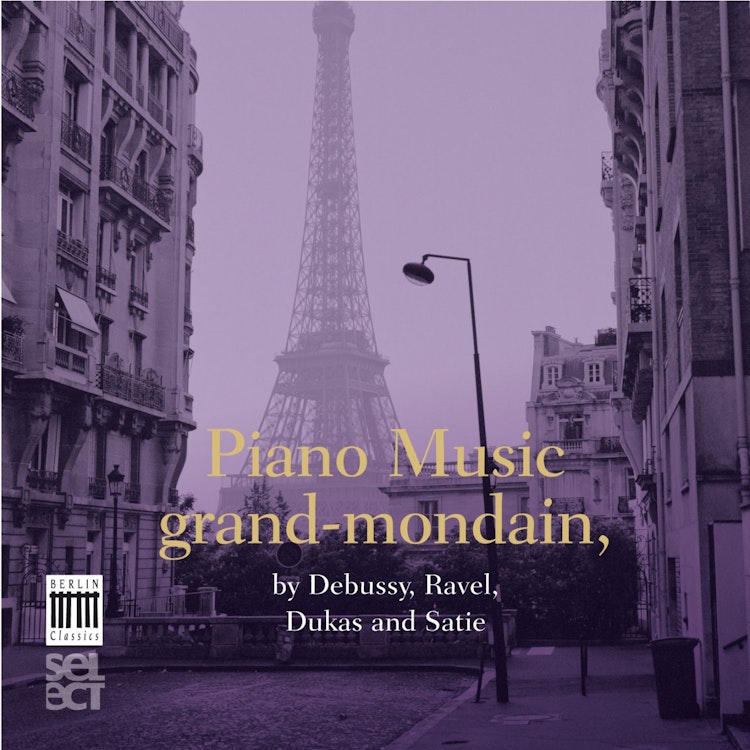
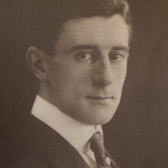
Maurice Ravel's "Jeux d'eau" freely adheres to sonata form and includes a unique detail where the final low G sharp is not achievable on a traditional piano, which only goes down to A.
Composition History
Debussy's "L'isle joyeuse" was composed as a technically demanding standalone piece, finalized in 1904 on the Channel Island of Jersey, which explains the English word "isle" in its title.
Cultural Impact
Paul Dukas's "L'apprenti sorcier" (The Sorcerer's Apprentice) gained widespread popularity, especially after Mickey Mouse featured in Walt Disney's film "Fantasia" in 1940.
Historical Context
The term "Impressionism" was first applied to music after Claude Debussy's orchestral piece "Printemps" was criticized for its "vague impressionism" in 1887.
Compositional Technique
Several composers, including Claude Debussy, Paul Dukas, and Maurice Ravel, contributed small piano works for the International Music Society's revue marking the centenary of Joseph Haydn's death, using a "soggetto cavato" technique to derive themes from the letters H-A-Y-D-N.
Composition History
Erik Satie's "Trois Gymnopédies," originally slow waltzes, were published in the year of their composition, 1888, and Satie himself promoted them in the periodical "La Lanterne Japonaise."
Composer's Artistic Vision
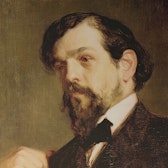
Claude Debussy, despite being warned against "vague impressionism," developed his own "impressionistic" style, as seen in his "Deux Arabesques" and "Estampes."
You might also enjoy...
French Album
J.S. Bach, Liszt & Ravel: Piano Works
Remembering Diaghilev
Ballade - A Piano Exhibition
Nightfall
The French Album
Images et mirages
Ravel & Rachmaninoff: Piano Works (Live)
Oscar Levant - Some Pleasant Moments in the 20th Century
La Danse - Hahn: Le ruban dénoué: No. 2, Les soirs d'Albi