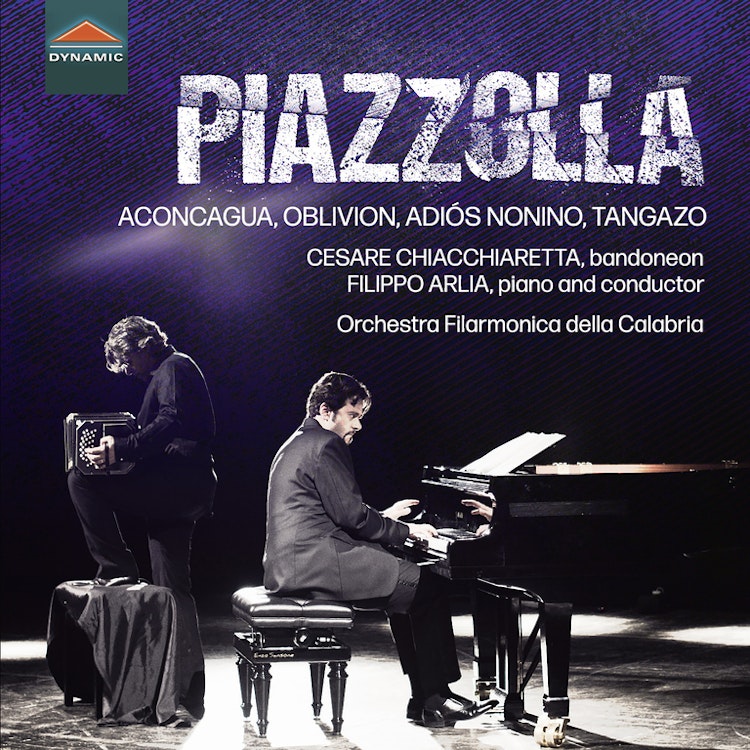
Piazzolla's Concerto for bandoneon, string orchestra and timpani, premiered in 1979, was published posthumously under the title 'Aconcagua', named after the highest peak in the Americas, to suggest it was a summit of his work.
Critical Reception
Despite his global popularity today, Piazzolla's music initially struggled for recognition in Argentina, where traditional tango supporters criticized his incorporation of jazz and classical influences, even calling him 'el asesino del tango' (tango's murderer).
Performer Biography
Cesare Chiacchiaretta, the bandoneonist on this album, won the Astor Piazzolla Award in 2011 for his dedication to promoting the great Argentinian master's compositions.
Composer Biography
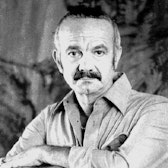
Astor Piazzolla, born in 1921 to Italian parents, received a diverse musical education, including classical training, and studied composition in Paris under Nadia Boulanger in 1953.
Composer's Artistic Vision
Piazzolla sought to profoundly renew the Argentinian tango tradition, releasing it from its traditional link with dance to create a 'new tango' that showcased his unique originality as an author and interpreter.
Instruments
German emigrants brought the bandoneon to Argentina in the late 1800s, where it became the main instrument of tango orchestras, moving from sacred processions to the dance halls of Buenos Aires.
Instruments
The bandoneon, a smaller and lighter relative of the accordion, was originally patented in the mid-19th century by German musician Heinrich Band as a 'hand organ' for religious processions.