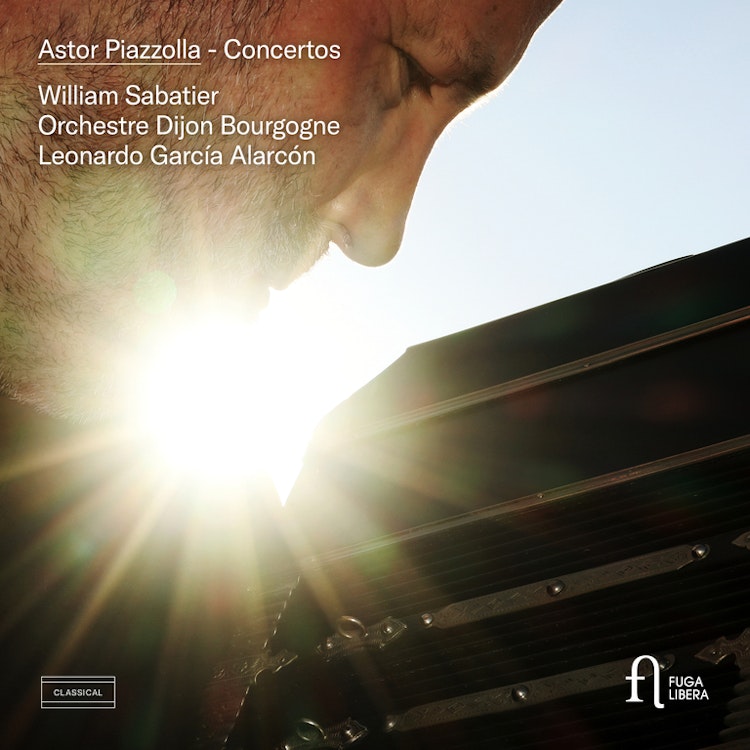
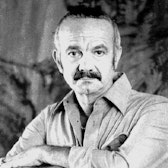
For the Double Concerto, William Sabatier replaced the original guitar part with a piano, believing the piano offers a more balanced dialogue with the orchestra and a more percussive dimension.
Interpretation
William Sabatier, the bandoneonist on this album, believes that Piazzolla himself played his own music differently every time, and his interpretations aim for relevance rather than faithful transcription.
Compositional Technique
Piazzolla, an improviser in the 1940s tradition, wrote melodies that served as starting points for extensive ornamentation and diminutions, a practice rooted in the Gardia Vieja tango style.
Composition History
Piazzolla wrote his concertos for himself, intending them to be easy enough for an orchestra to play with just one rehearsal before the concert.
Cultural Impact
Astor Piazzolla is placed alongside great melodists like Gershwin, Bernstein, and Morricone for his incredible talent in composing emotionally rich melodies in short durations, such as 'Oblivion'.
Composer's Artistic Vision
Astor Piazzolla, a multi-talented musician, approached the bandoneon as a popular instrument, not an academic one, and didn't compose for it academically.
Compositional Technique
Piazzolla's Tangazo, an orchestral work, highlights the composer's weaknesses in orchestration for large ensembles, leading William Sabatier to re-orchestrate it without winds and percussion.