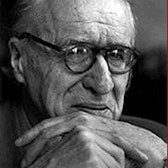
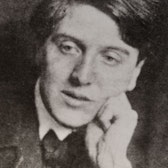
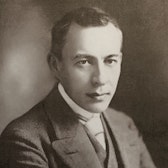
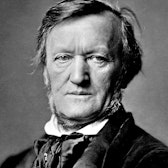
Francis Poulenc, a French composer, remained stylistically faithful to tonality, melody, and clarity, believing there was "room for new music, that does not mind applying the chords of other people."
Composition History
Richard Wagner's Wesendonck-Lieder were inspired by five poems by Mathilde Wesendonck, a poet and Wagner's muse, while he was simultaneously working on the first act of Tristan und Isolde.
Composition History
Poulenc's song cycle Le travail du peintre (The Painter's Work) was inspired by his early understanding of poetry and painting, and his desire to "paint musically" by translating the styles of artists like Pablo Picasso and Marc Chagall into sound.
Instruments
Klaus Kämper performs on a cello crafted in 1984 by the Munich violin builder Burkhard Eickhoff.
Compositional Technique
Two of Wagner's Wesendonck-Lieder, Im Treibhaus and Träume, were explicitly referred to by the composer as studies for his opera Tristan und Isolde.
Performer Biography
Klaus Kämper, the cellist on this recording, previously spent 15 years as a cellist in the award-winning Cherubini Quartet and is currently the principal cellist of the Bavarian Chamber Orchestra.
Album & Artwork
The album title "Poèmes" refers to musical pieces that bridge language and music, often without words, similar to how Richard Wagner titled his Wesendonck-Lieder "Five Poems for Female Voice and Piano."
You might also enjoy...
Cello Rhapsody
Miras
Italian Cello Sonatas
Upheaval
10 Classic Albums
Castelnuovo-Tedesco: Works for Cello & Piano
Requiebros
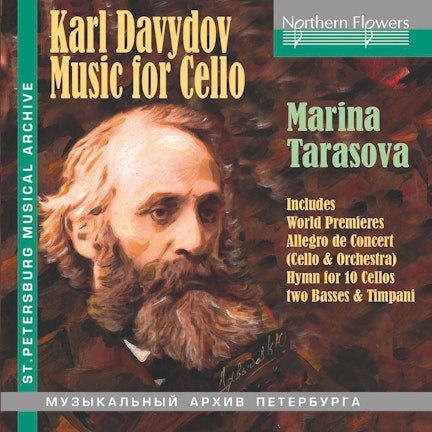
Davydov: Works for Cello
Liszt: The Work for Cello and Piano
15
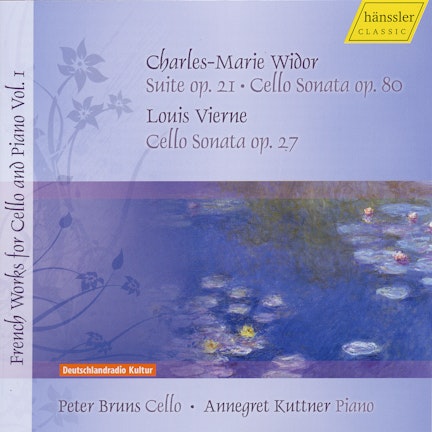
Widor, C.-M.: Cello Sonata / 3 Pieces / Vierne, L.: Cello Sonata (Bruns) (French Works for Cello and Piano, Vol. 1)