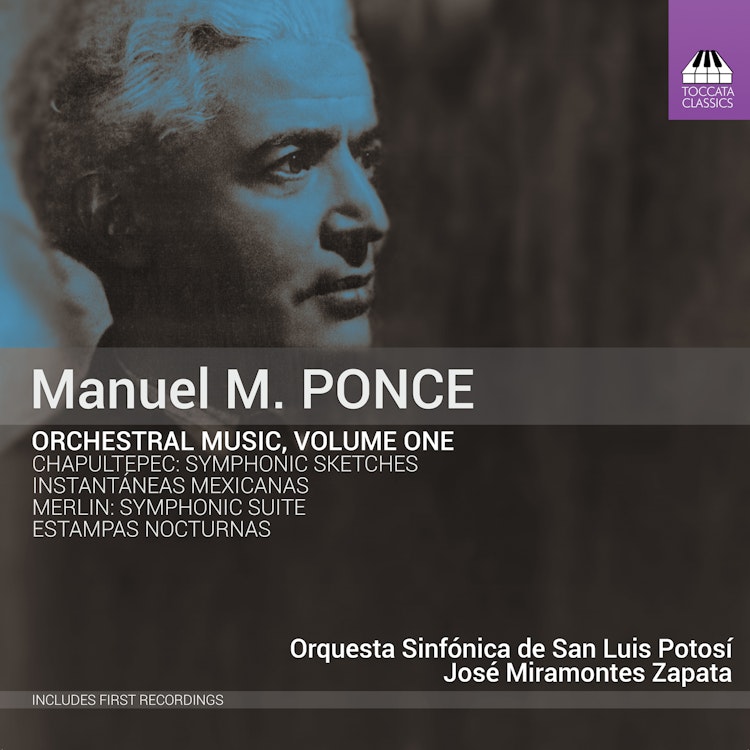
Ponce's 1912 lecture, 'La música y la canción mexicana', provided the foundation for a new Mexican musical art, initiating the 'Nacionalismo Musical Mexicano'.
Notable Performances
In 1934, the Philadelphia Orchestra, conducted by Leopold Stokowski, performed Ponce's symphonic triptych Chapultepec at Carnegie Hall in New York.
Cultural Impact
Ponce is the most performed Mexican composer worldwide, particularly recognized for his guitar music, though much of his extensive output remains generally unknown.
Composer Biography
Manuel María Ponce, known as the 'father of Mexican musical nationalism', was a prolific composer, pianist, conductor, lecturer, researcher, teacher, writer, and founder of institutions and publications.
Composer Biography
During his time in Paris (1925-1933), Ponce studied with Paul Dukas, who brought him into contact with the European avant-garde, and also attended classes with Nadia Boulanger.
Critical Reception
Ponce received Mexico's highest honor, the National Science and Arts Prize, in 1948, just two months before his death.
Recording & Production
This recording is dedicated to the memory of Zaeth Ritter, Director of Orquesta y Coros Mexicana and a tireless promoter of Manuel M. Ponce's music.
You might also enjoy...
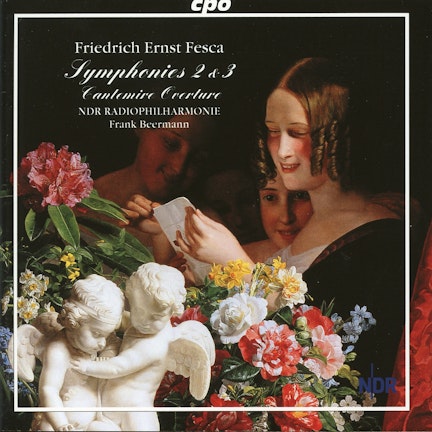
Fesca: Symphonies Nos. 2 & 3 - Cantemire Overture
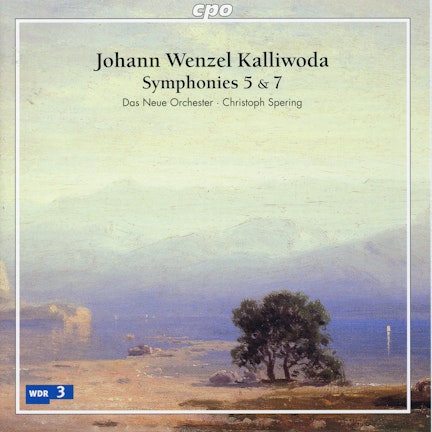
Kalliwoda: Symphonies Nos. 5 and 7 & Overture No. 16
Lotusland - Symphonic Works by Arvid Kleven
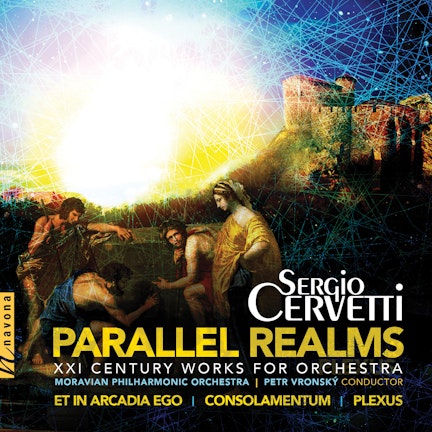
Parallel Realms: XXI Century Works for Orchestra
Csellóversenyek
Landini: Orchestral Works
Music from 6 Continents (1993 Series)
Wiren: Symphonies Nos. 2 and 3 & Concert Overtures
Mancinelli: Scene veneziane
Mielck, E.: Symphony in F Minor / Konzertstuck in D Major