Haydn, while serving the Esterházy family, was 'forced to become original' due to his isolation, which allowed him to experiment freely in his compositions.
Composition History
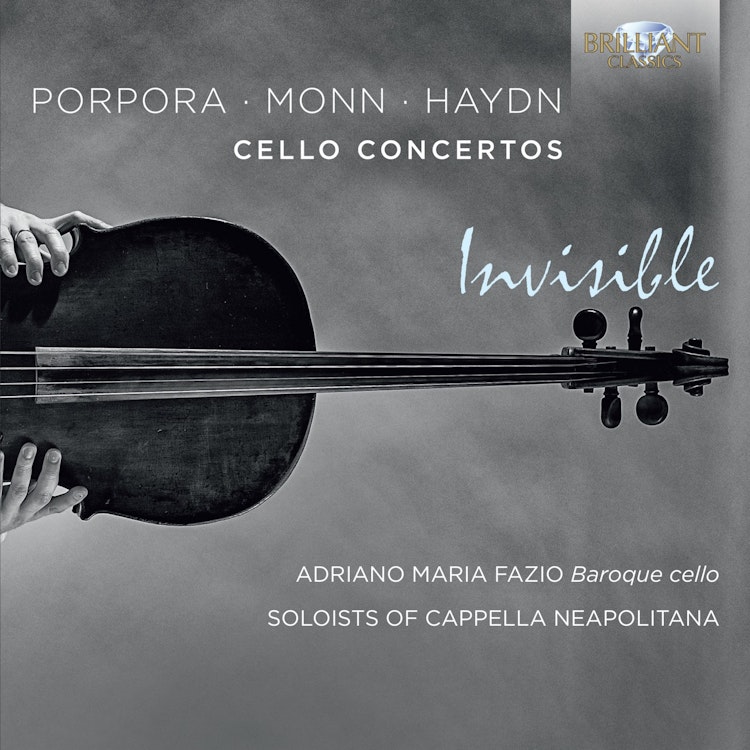
Haydn's Cello Concerto in C, featured on this album, was written between 1762-1765 for the talented cellist Joseph Franz Weigl, who worked in the Esterházy orchestra.
Historical Context
Naples was a major musical center in the 18th century, attracting musicians like Geminiani, Händel, Quantz, and Mozart, and serving as a place for others to study and start careers.
Composer Biography
Nicola Antonio Porpora, a composer featured on this album, was a major figure in early 18th-century European music, whose career spanned Naples, Rome, Venice, London, Dresden, and Vienna.
Compositional Technique
Porpora's cello music, including the Concerto in G on this album, showcases the Neapolitan tradition's virtuosic cello practice, with techniques like thumb position, high register use, double stops, and varied bowing.
Composer Biography
Mathias Georg Monn, an Austrian composer on this album, changed his first name from Johann Georg to avoid confusion with his brother, Johann Christoph Monn.
Composer Biography
Franz Joseph Haydn, whose Cello Concerto No.1 is on this album, worked as an assistant to Porpora in Vienna, receiving musical instruction despite also serving as his 'lackey'.
You might also enjoy...
Mozart: Don Giovanni, K. 527 (Sung in German) [Recorded 1948]