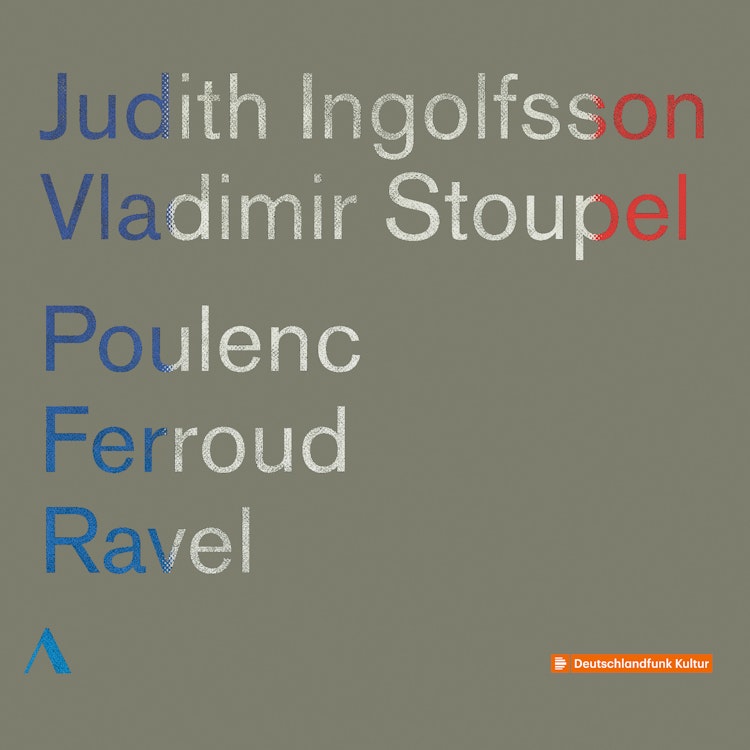
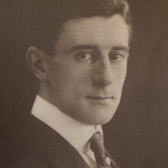
Ravel's Sonata No. 2 includes a slow movement titled 'Blues' where the violin imitates a saxophone with glissandi and a banjo with pizzicati, an inspiration that was a sensation in the USA.
Composition History
Poulenc's Sonata for Violin and Piano was written in memory of the poet Federico García Lorca, who was executed by Falangists at the beginning of the Spanish Civil War.
Composer Biography
Pierre-Octave Ferroud, a unique musical figure of the inter-war period, founded 'Le Triton' in 1932, a contemporary chamber music society that significantly influenced pre-war Parisian culture.
Performer Biography
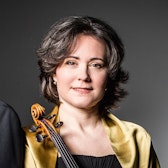
The Duo Ingolfsson-Stoupel, consisting of Judith Ingolfsson (violin) and Vladimir Stoupel (piano), are known for exploring repertoire from traditional to unjustly forgotten works, with a special focus on 20th-century music.
Composition History
Ravel's Sonata No. 2 for Violin and Piano took nearly five years to compose because he initially planned a violin concerto for his friend Hélène Jourdan-Morhange, who had to end her career prematurely.
Compositional Technique
Poulenc's Sonata for Violin and Piano features a violent opening, unusual for French sonatas, and a poignant Intermezzo that Poulenc introduced with a quote from Lorca's poem 'The Six Strings'.
Composer's Artistic Vision
The three works on this album by Poulenc, Ferroud, and Ravel distinguish themselves from the French sonata tradition by affirming aesthetic independence and reflecting their era.
You might also enjoy...
American Album
Lekeu: Violin Sonata in G major - Pierne: Violin Sonata, Op. 36 - Fantiasie basque