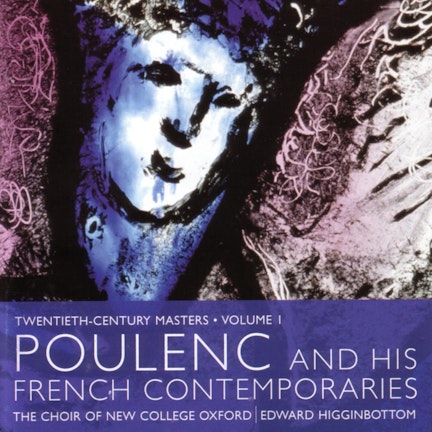
Poulenc's sacred music is heavily influenced by Mediterranean culture, with the Gloria recalling Vivaldi and the Exultate Deo echoing Palestrina.
Notable Performances
The Gloria, commissioned by the Koussevitsky Foundation, premiered in Boston in 1961 to great acclaim and quickly became a standard choral repertoire piece.
Composer Biography
Poulenc's interest in choral music began with systematic instruction from composer Koechlin in the early 1920s, who assigned him Bach chorale melodies to harmonize.
Composer's Artistic Vision
Poulenc believed his best and most genuine work was in his choral and religious music, predicting it would be remembered more than his other popular pieces.
Composition History
A profound change in Poulenc's life, the death of a friend in a car accident, led him to make a pilgrimage to the Sanctuary of Rocamadour and begin his sacred choral works.
Compositional Technique
The six movements of Poulenc's Gloria are unified by similar motivic material, prominently featuring intervals of a third and a semitone, showcasing his attention to overall structure.
Composer's Artistic Vision
Poulenc's religious impulse was 'instinctive and hereditary' and rooted in his southern French heritage, drawing inspiration from Romanesque art.
You might also enjoy...
F. Poulenc - Oeuvres Sacrées
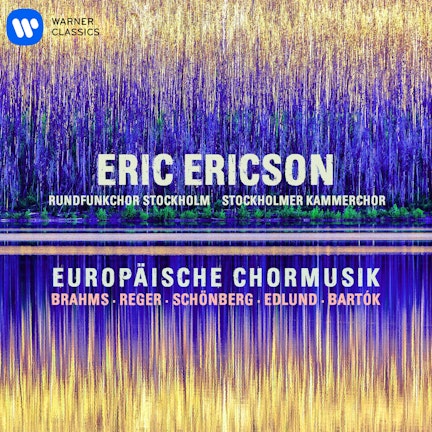
Europaeische Chormusik
Puccini: Requiem / Janacek: Mass in E flat
Francis Poulenc: Choral Works
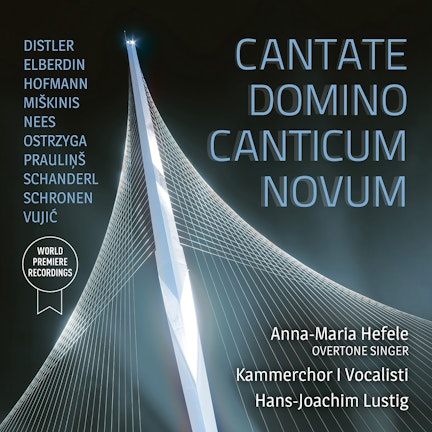
Kammerchor I Vocalisti: Cantate Domino Canticum Novum