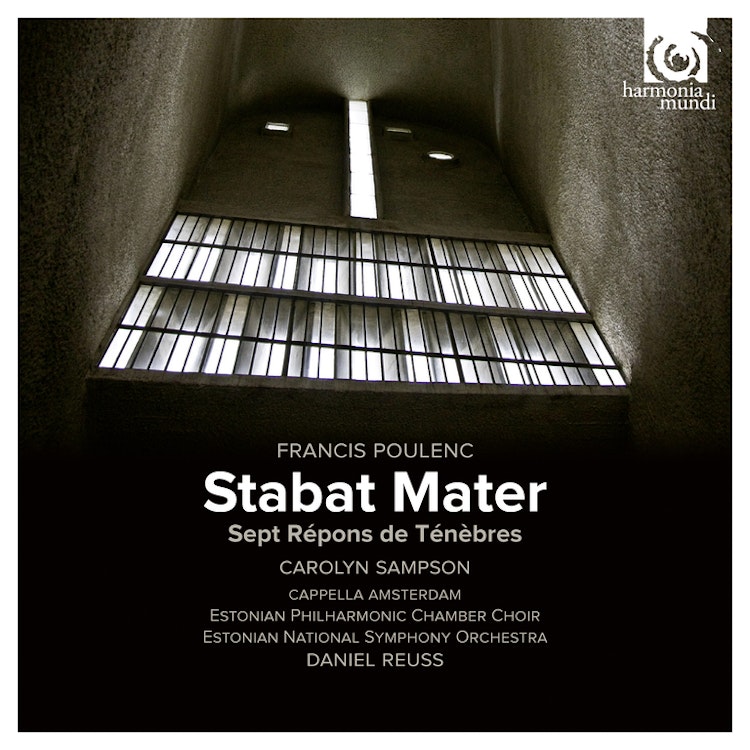
In the Sept Répons des Ténèbres, Poulenc occasionally uses dodecaphonic elements to signify a 'loss of meaning,' particularly at the beginning of no.3 and in the second part of no.4.
Compositional Technique
Unexpectedly, the Stabat Mater also features dance-like elements, such as a sarabande measure and agile rhythms, which introduce a joyous and pastoral tone that contrasts with the text's meaning.
Composer's Artistic Vision
Poulenc described his Stabat Mater as 'a requiem without despair,' reflecting its blend of contemplation, affliction, and moments of joy and lightness.
Compositional Technique
The Stabat Mater incorporates diverse styles, including Renaissance polyphony, Baroque music, Classical phrasing, and Stravinsky-influenced tonal crudities.
Composer's Artistic Vision
Poulenc's religious works, including the Stabat Mater, are deeply connected to his Catholic interpretation of the world and his personal life, associating Gospel dramas with his own experiences.
Composition History
Poulenc's Stabat Mater was inspired by the death of his friend, the painter and set designer Christian Bérard, in February 1949.
Composition History
The Sept Répons des Ténèbres was commissioned by Leonard Bernstein for the New York Philharmonic in December 1959.
You might also enjoy...
Bruckner: Te Deum
Cossoni: Einsiedler Vesper
Zielenski: Opera Omnia, Vol. 2 - Offertoria Totius Anni
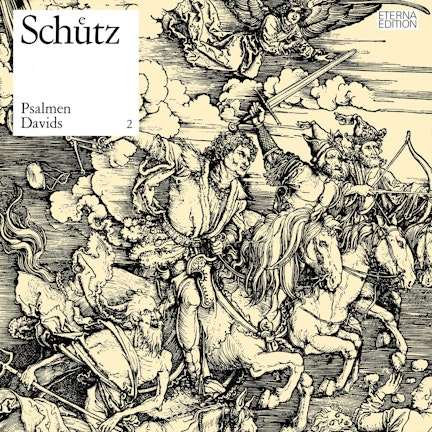
Schütz: Psalmen Davids 2
Scarlatti: Stabat Mater
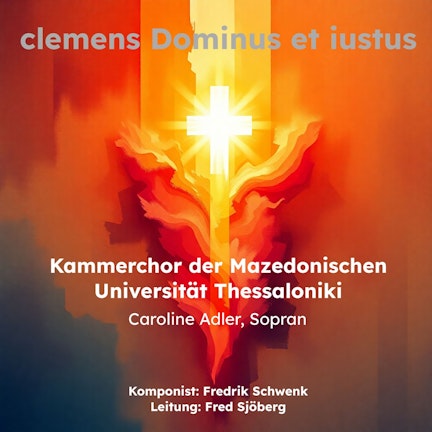
Clemens Dominus et iustus
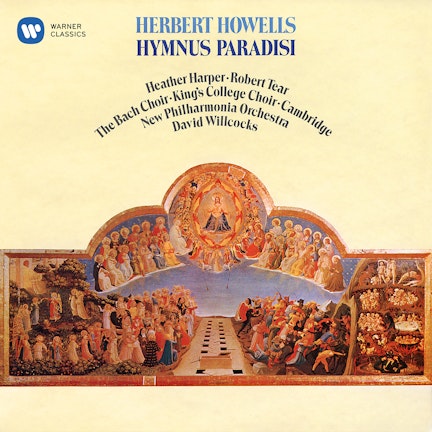
Howells: Hymnus Paradisi
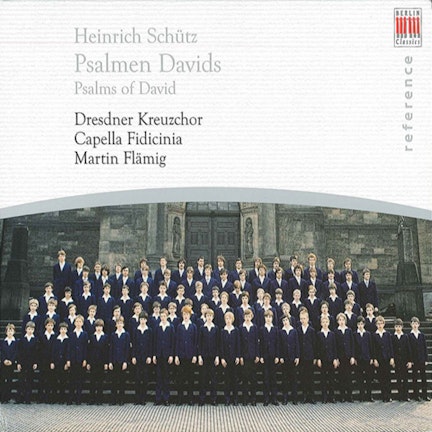
Schütz: Psalms of David
The Christmas Story, Candlemas: IX. O nata lux de lumine